Forgotten Libraries of Ancient Civilizations
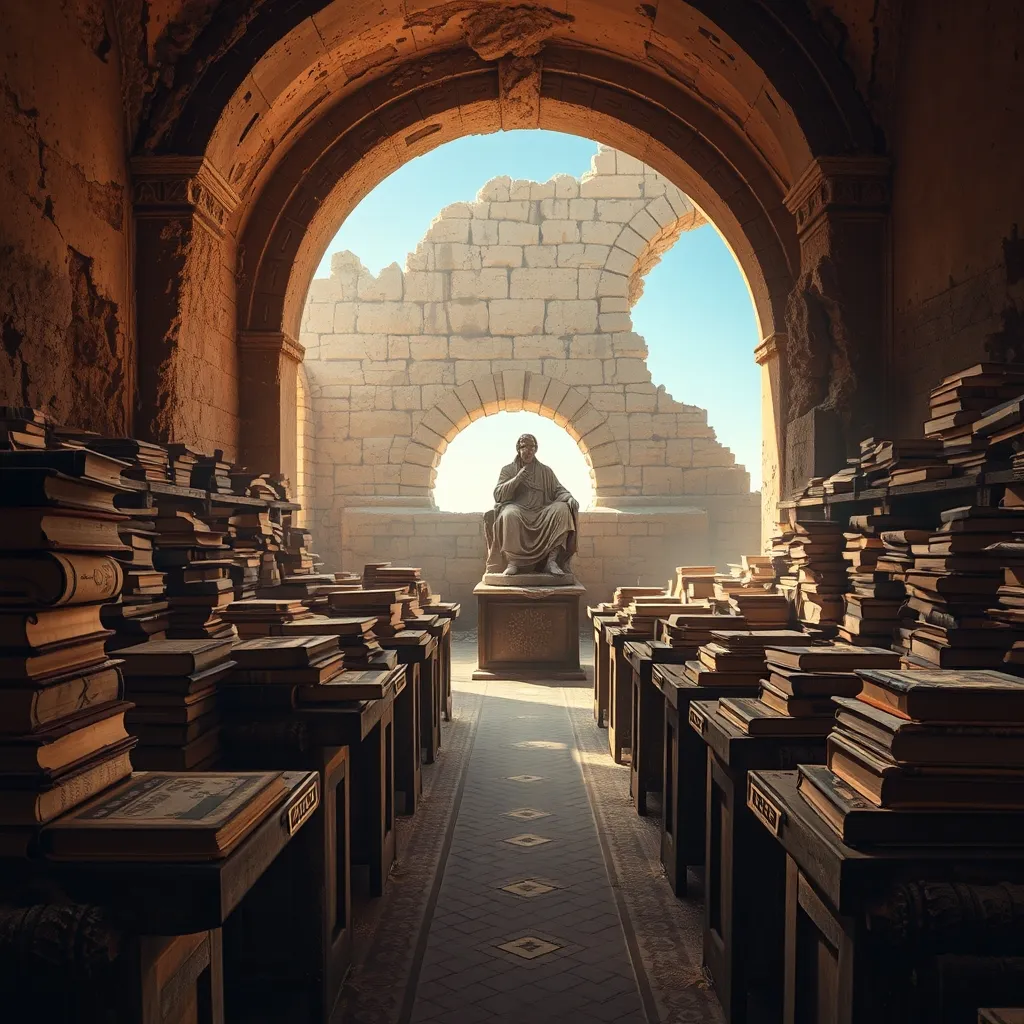
I've always been fascinated by the idea of uncovering hidden archives, and what better place to start than with the forgotten libraries of ancient civilizations. These libraries, often lost to the sands of time, hold the secrets of our collective past and offer a glimpse into the knowledge and wisdom of our ancestors. From the Great Library of Alexandria to the Library of Ashurbanipal, these ancient repositories of knowledge were once the epicenters of learning and intellectual curiosity. In this blog post, I'll take you on a journey to explore some of the most fascinating forgotten libraries of ancient civilizations.
The Great Library of Alexandria
The Great Library of Alexandria, located in Alexandria, Egypt, is perhaps one of the most famous libraries of the ancient world. Founded in the 3rd century BC, it was a major center of learning and scholarship, attracting some of the greatest minds of the time. The library was said to contain over 500,000 volumes, including works on mathematics, astronomy, medicine, and literature. Unfortunately, the library suffered a series of devastating fires, including one caused by the Roman Emperor Aurelian in 273 AD, which destroyed much of the collection. Despite its destruction, the legacy of the Great Library of Alexandria continues to inspire and influence scholars to this day.
One of the most interesting aspects of the Great Library of Alexandria is the story of how it was built. According to legend, the library was founded by Ptolemy I Soter, one of Alexander the Great's generals, who wanted to create a center of learning that would rival the great libraries of Babylon and Persia. The library was designed to be a grand structure, with spacious reading rooms, lecture halls, and a vast collection of manuscripts and scrolls. It was a place where scholars could come to study, translate, and copy important works, and where new ideas and discoveries could be shared and discussed.
The Library of Ashurbanipal
The Library of Ashurbanipal, located in Nineveh, Assyria (modern-day Mosul, Iraq), is another example of a forgotten library of ancient civilizations. Founded in the 7th century BC by the Assyrian king Ashurbanipal, the library contained a vast collection of clay tablets, including works on literature, business, and government. The library was discovered in the 19th century by archaeologists, who uncovered over 30,000 clay tablets, including the famous Epic of Gilgamesh. The library is significant not only because of its vast collection but also because it provides a unique insight into the culture and society of ancient Assyria.
One of the most fascinating things about the Library of Ashurbanipal is the way it was organized. The library was divided into different sections, each containing a specific type of text. For example, there was a section for literary works, a section for business and economic texts, and a section for government documents. The library also had a complex system of cataloging and classification, which allowed scholars to easily locate specific texts. This system was well ahead of its time and shows just how advanced the ancient Assyrians were when it came to organizing and preserving knowledge.
Other Forgotten Libraries
In addition to the Great Library of Alexandria and the Library of Ashurbanipal, there were many other forgotten libraries of ancient civilizations. The Library of Pergamum, located in modern-day Turkey, was a major center of learning in the ancient world and contained a vast collection of manuscripts and scrolls. The Library of Nalanda, located in ancient India, was a renowned center of Buddhist learning and contained a vast collection of texts on philosophy, medicine, and astronomy. These libraries, along with many others, played a crucial role in preserving and transmitting knowledge from one generation to the next, and their legacy continues to inspire and influence scholars today.
As we explore these forgotten libraries, we are reminded of the importance of preserving our cultural heritage. These libraries, though lost to the sands of time, continue to hold a special place in our collective imagination, and their stories serve as a reminder of the power of knowledge and learning to shape our understanding of the world. By uncovering the secrets of these hidden archives, we can gain a deeper appreciation for the achievements of our ancestors and a greater understanding of the complexities of human history.
I explored a related angle in Uncovering the Secrets of Samurai Honor if you want to keep pulling this thread.
In conclusion, the forgotten libraries of ancient civilizations are a testament to the enduring power of knowledge and learning. From the Great Library of Alexandria to the Library of Ashurbanipal, these libraries have left an indelible mark on our collective cultural heritage. As we continue to explore and learn from these forgotten libraries, we are reminded of the importance of preserving our cultural heritage and the need to continue pushing the boundaries of human knowledge and understanding.