Forgotten Libraries of the Silk Road

I've always been fascinated by the Silk Road, a network of ancient trade routes that connected the East and West, facilitating the exchange of goods, ideas, and cultures. As I delved deeper into its history, I stumbled upon a treasure trove of forgotten libraries that once flourished along this iconic route. These libraries were more than just repositories of knowledge – they were vibrant centers of learning, where scholars, traders, and travelers would gather to share stories, debate ideas, and uncover ancient secrets.
One of the most famous libraries of the Silk Road was the Library of Ashurbanipal, located in Nineveh, Assyria (modern-day Mosul, Iraq). Founded in the 7th century BC, this library was a marvel of its time, housing a vast collection of clay tablets that contained some of the oldest surviving works of literature, including the Epic of Gilgamesh. The library was a testament to the advanced knowledge and sophistication of the Assyrian civilization, which was renowned for its contributions to astronomy, mathematics, and medicine.
Another notable library was the Great Library of Bukhara, situated in present-day Uzbekistan. This library was a major center of Islamic learning and scholarship, attracting scholars and theologians from all over the Islamic world. The library's collection was vast and diverse, featuring works on theology, philosophy, astronomy, and medicine, as well as rare manuscripts and scrolls. The Great Library of Bukhara was also a hub of translation and intellectual exchange, where scholars would translate works from Greek, Persian, and other languages into Arabic, facilitating the spread of knowledge across the Islamic world.
Libraries of the Desert Cities
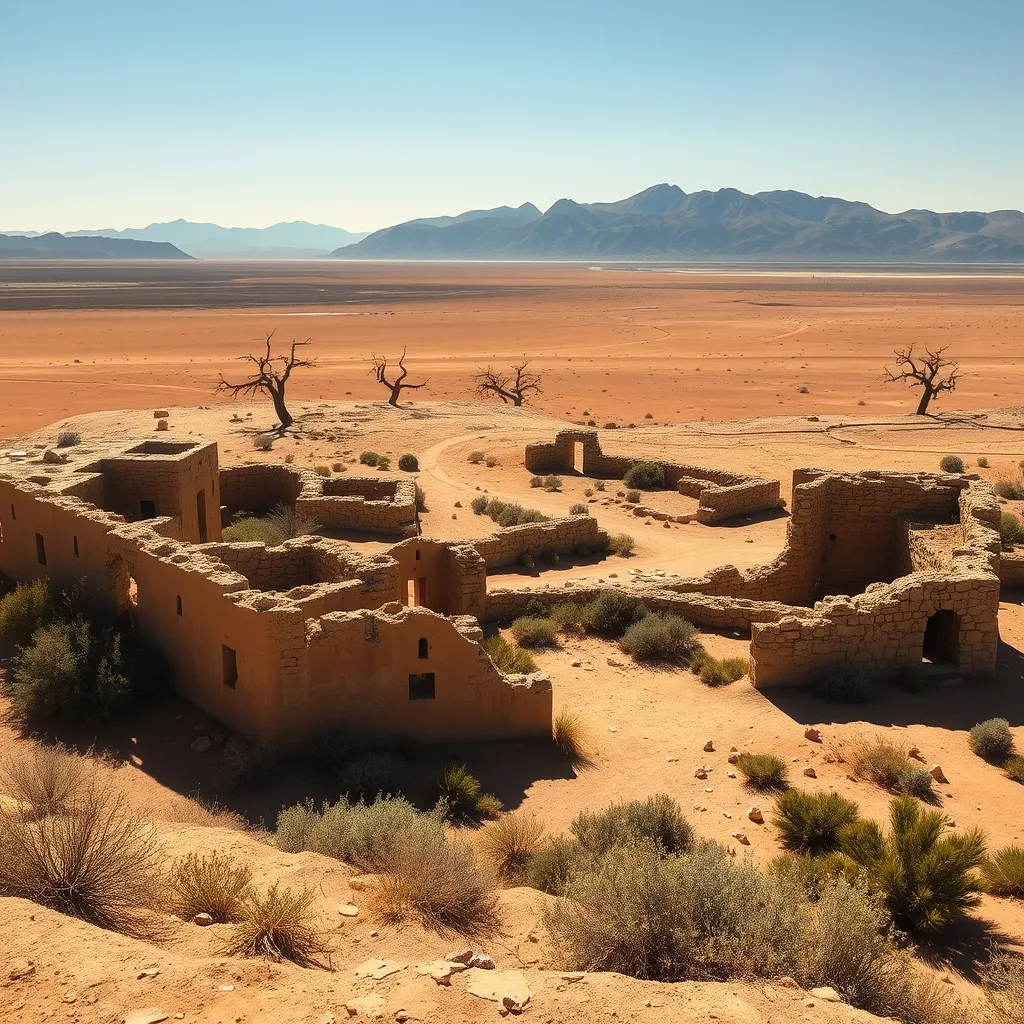
The desert cities of the Silk Road, such as Samarkand, Khiva, and Merv, were also home to impressive libraries that played a crucial role in the preservation and transmission of knowledge. These libraries were often attached to madrasas, mosques, and other religious institutions, and they housed extensive collections of manuscripts, books, and other written materials. The libraries of the desert cities were also centers of intellectual and cultural exchange, where scholars and traders would gather to discuss the latest ideas and discoveries from the East and West.
One of the most remarkable libraries of the desert cities was the Bibi Khanym Mosque Library in Samarkand, Uzbekistan. Built in the 14th century, this library was a masterpiece of Islamic architecture, featuring intricate tile work, ornate calligraphy, and a vast collection of manuscripts and books. The library was a major center of learning and scholarship, attracting scholars and theologians from all over the Islamic world. The Bibi Khanym Mosque Library was also a testament to the patronage of knowledge by the ruling elite, who recognized the importance of education and intellectual pursuits in the development of their cities and civilizations.
The Legacy of the Forgotten Libraries
Despite their significance, many of the libraries of the Silk Road have been lost to the sands of time, destroyed by wars, invasions, and natural disasters. However, their legacy lives on, inspiring new generations of scholars, researchers, and explorers to uncover the secrets of the ancient world. The forgotten libraries of the Silk Road remind us of the power of knowledge and education to transform societies and civilizations, and they highlight the importance of preserving our cultural heritage for future generations.
Today, efforts are being made to reconstruct and revive some of the forgotten libraries of the Silk Road. In Uzbekistan, for example, the government has launched a major initiative to restore the ancient city of Samarkand, including its historic libraries and madrasas. Similarly, in Iraq, efforts are underway to rebuild the Library of Ashurbanipal, which was destroyed during the Gulf War. These initiatives are a testament to the enduring importance of the Silk Road libraries, which continue to inspire and captivate us with their stories of ancient knowledge and forgotten wisdom.
Uncovering Ancient Knowledge
As we explore the forgotten libraries of the Silk Road, we are reminded of the importance of uncovering ancient knowledge and preserving our cultural heritage. The libraries of the Silk Road were more than just repositories of knowledge – they were vibrant centers of learning, where scholars, traders, and travelers would gather to share stories, debate ideas, and uncover ancient secrets. By studying these libraries and their collections, we can gain a deeper understanding of the history and culture of the Silk Road, and we can appreciate the significant contributions that this ancient network of trade routes made to the development of human civilization.
I explored a related angle in Lost Cities of the Amazon if you want to keep pulling this thread.
In conclusion, the forgotten libraries of the Silk Road are a treasure trove of ancient knowledge, waiting to be uncovered and explored. By delving into the history and culture of these libraries, we can gain a deeper appreciation for the significance of the Silk Road and its contributions to human civilization. As we continue to uncover the secrets of the ancient world, we are reminded of the power of knowledge and education to transform societies and civilizations, and we are inspired to preserve our cultural heritage for future generations.