Lost Cities, Hidden Histories
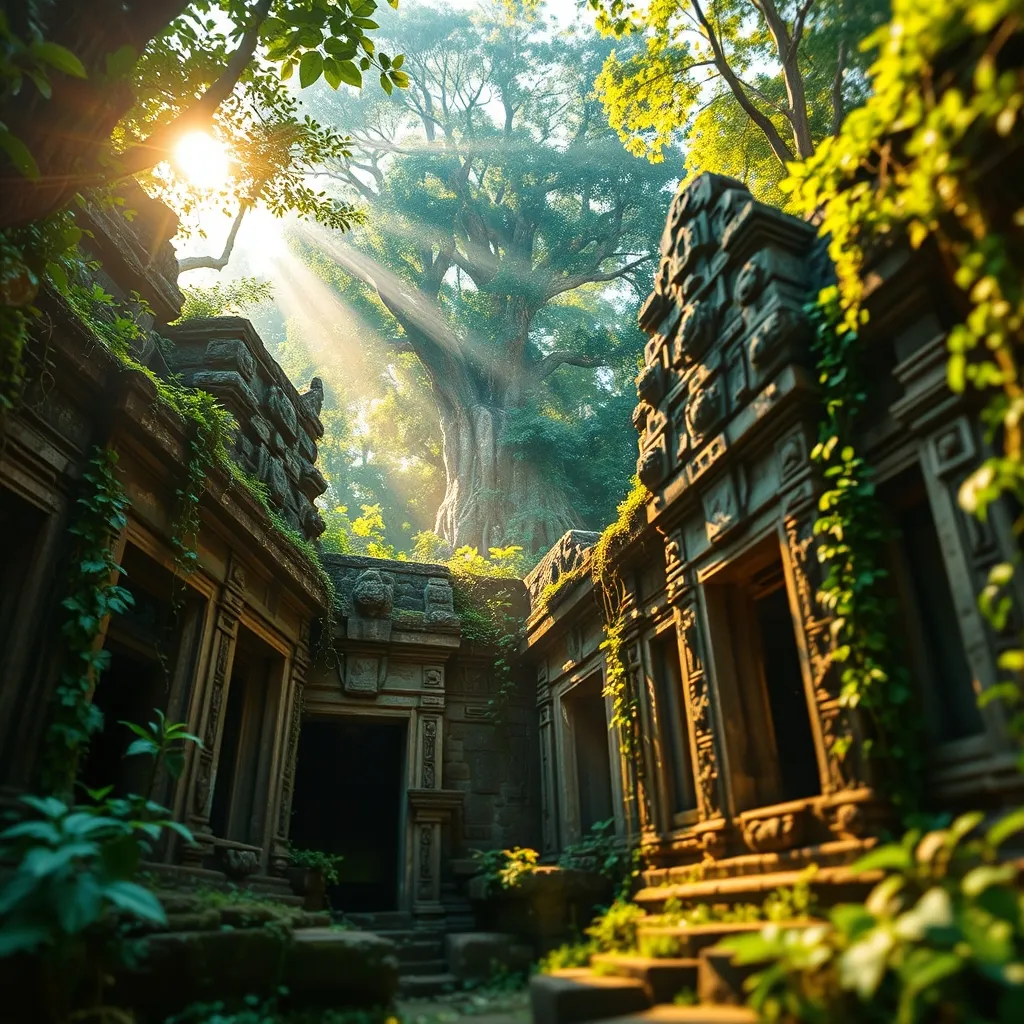
I've always been fascinated by the stories of lost cities, hidden away for centuries, waiting to be uncovered. These abandoned metropolises hold secrets of the past, whispers of a bygone era that can teach us so much about our collective history. From the crumbling ruins of Angkor Wat to the sunken city of Thonis-Heraklion, each lost city is a window into a world that once was, a world that can help us understand who we are today. As I delve into the mysteries of these forgotten places, I'm struck by the sheer scale of human achievement, the ingenuity and creativity that went into building these cities, and the tragic circumstances that led to their downfall.
One of the most intriguing aspects of lost cities is the way they challenge our conventional understanding of history. We tend to think of history as a linear narrative, a straightforward progression from one event to the next. But lost cities disrupt this narrative, revealing hidden threads and unexpected connections that force us to reexamine our assumptions. Take, for example, the city of Petra in Jordan, carved into the sandstone cliffs over 2,000 years ago. Petra was once a thriving metropolis, a center of trade and commerce that connected the East and West. Its discovery in the 19th century sent shockwaves through the archaeological community, rewriting our understanding of the ancient world and its many mysteries.
Uncovering the Past
As we explore lost cities, we're not just uncovering the physical remains of a bygone era; we're also uncovering the stories, myths, and legends that surrounded these places. The city of Pompeii, frozen in time by the devastating volcanic eruption of Mount Vesuvius, is a prime example. As we walk through the ruins, we're not just seeing ancient buildings and artifacts; we're also seeing the lives of the people who lived there, their daily struggles and triumphs, their hopes and fears. We're seeing the graffiti on the walls, the frescoes in the villas, and the everyday objects that tell us so much about life in ancient Rome. By uncovering these stories, we're able to reconstruct the past in a way that's both intimate and epic, a way that allows us to connect with the people who came before us.
The process of uncovering lost cities is often a painstaking one, requiring years of excavation, research, and analysis. Archaeologists must use a range of techniques, from ground-penetrating radar to aerial photography, to locate and map these hidden sites. And even when a site is discovered, the work is far from over. Excavation is a slow and laborious process, requiring great care and attention to detail to avoid damaging the delicate remains. But the rewards are well worth the effort, as each new discovery sheds fresh light on our understanding of the past, challenging our assumptions and pushing the boundaries of our knowledge.
The Legacy of Lost Cities
So what can we learn from lost cities? For one thing, they remind us of the transience of human achievement, the fact that even the greatest civilizations will eventually rise and fall. They also remind us of the importance of preserving our cultural heritage, of protecting the artifacts and monuments that tell us so much about our shared history. But perhaps most importantly, lost cities inspire us to think about the future, to consider the kind of world we want to build and the kind of legacy we want to leave behind. As we look out at the ruins of a lost city, we're forced to confront our own mortality, to think about the kind of impact we want to have on the world and the kind of memories we want to leave behind.
Lost cities also have a profound impact on our imagination, inspiring countless works of art, literature, and film. From the epic poems of Homer to the blockbuster movies of Hollywood, lost cities have captivated our imagination, symbolizing the allure of the unknown and the thrill of discovery. They remind us that there's always more to explore, more to discover, and more to learn, and that the past is always waiting to be uncovered, like a treasure trove of secrets and surprises.
Rediscovering the Forgotten
As I reflect on the lost cities I've encountered, I'm struck by the sense of wonder and awe that they evoke. These places are more than just historical relics; they're gateways to a hidden world, a world that's full of mystery and surprise. They remind us that there's always more to explore, more to discover, and more to learn, and that the past is always waiting to be uncovered, like a treasure trove of secrets and surprises. Whether it's the majestic ruins of Machu Picchu or the haunting landscapes of the American West, lost cities have the power to inspire and transform us, to challenge our assumptions and broaden our horizons. And as we continue to explore and discover these hidden places, we're reminded of the infinite possibilities that lie just beyond the edge of our everyday world, waiting to be uncovered and explored.
I explored a related angle in Uncharted Explorers: Women of the Age of Discovery if you want to keep pulling this thread.
Ultimately, the story of lost cities is a story about us, about our shared humanity and our collective curiosity. It's a story about the power of exploration and discovery, about the thrill of the unknown and the allure of the past. As we delve into the mysteries of these abandoned metropolises, we're not just uncovering secrets of the past; we're also uncovering secrets about ourselves, about our place in the world and our connection to the people who came before us. And it's this sense of connection, this sense of shared humanity, that makes the story of lost cities so compelling, so inspiring, and so unforgettable.