The Hidden Libraries of Timbuktu
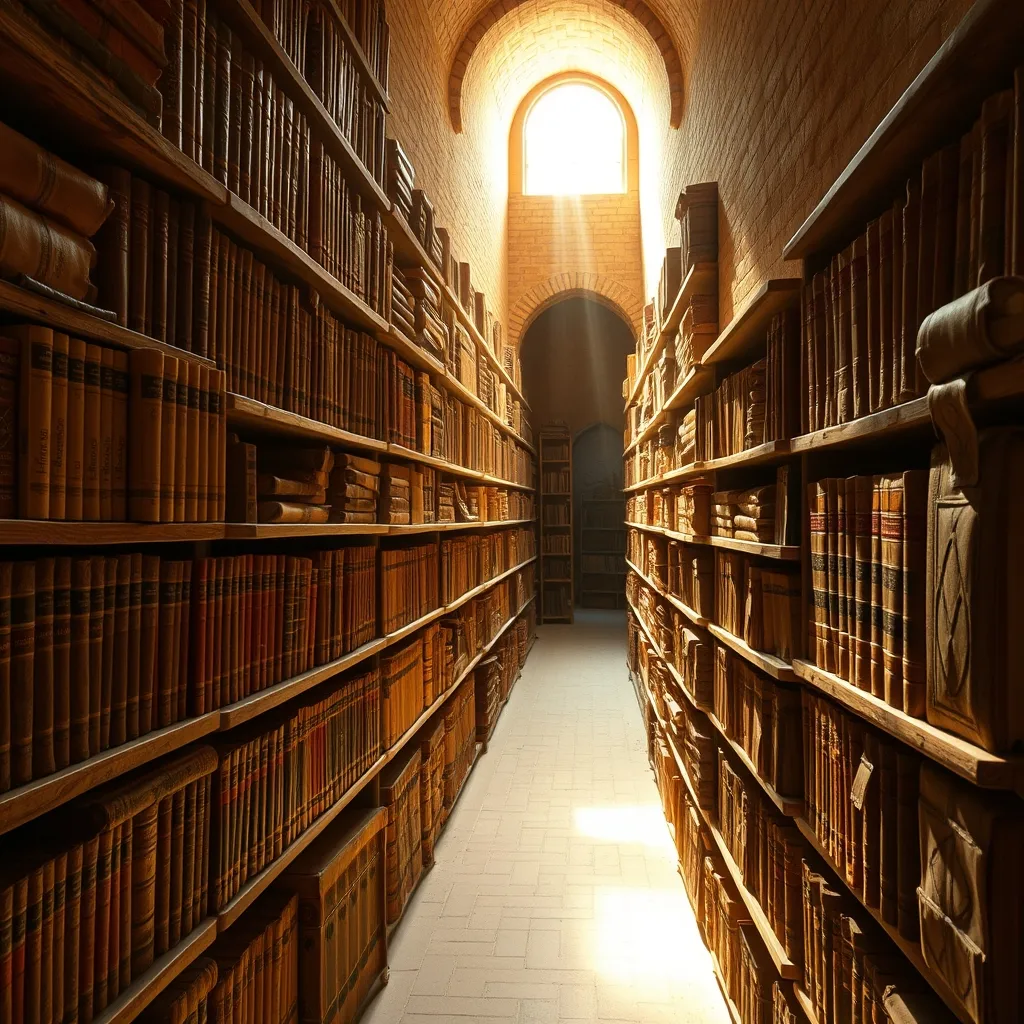
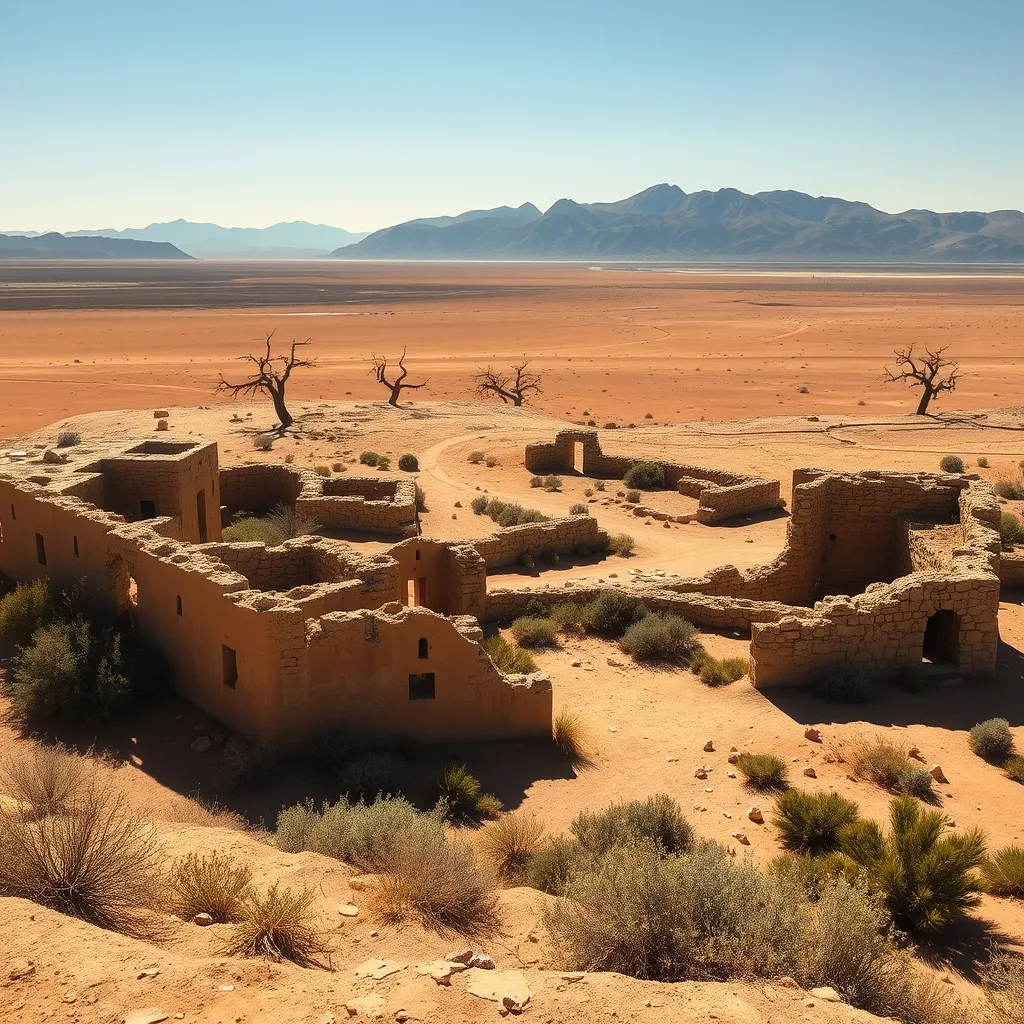
I've always been fascinated by the ancient city of Timbuktu, a place where the sands of time have swallowed secrets and stories of a bygone era. As I delved deeper into the history of this fabled city, I stumbled upon a treasure trove of knowledge that has been hidden in plain sight - the ancient libraries of Timbuktu. These repositories of wisdom have been a source of fascination for scholars and historians, and for good reason. They hold the keys to understanding the rich cultural heritage of West Africa, and the significant role that Timbuktu played in the spread of knowledge and ideas across the continent.
For centuries, Timbuktu was a major hub of trade and commerce, attracting scholars, merchants, and travelers from all over the world. The city's strategic location at the crossroads of the Sahara Desert made it an ideal place for the exchange of goods, ideas, and knowledge. As a result, Timbuktu became a melting pot of cultures, with influences from Africa, Europe, and Asia. The city's libraries, which were established during this period, reflect this rich cultural diversity, with manuscripts and books that showcase the intellectual and artistic achievements of various civilizations.
The Manuscripts of Timbuktu
The manuscripts of Timbuktu are a testament to the city's rich intellectual heritage. These handwritten documents, which date back to the 13th century, cover a wide range of subjects, including astronomy, mathematics, medicine, and philosophy. They are written in various languages, including Arabic, Bambara, and Songhai, and are adorned with intricate illustrations and calligraphy. Many of these manuscripts are still in pristine condition, despite being centuries old, and are a testament to the skill and craftsmanship of the scribes who wrote them.
One of the most significant collections of manuscripts in Timbuktu is the Fondo Kati, which consists of over 3,000 documents. This collection includes works on astronomy, mathematics, and medicine, as well as historical accounts of the city and its people. The Fondo Kati is a treasure trove of knowledge, providing valuable insights into the intellectual and cultural achievements of Timbuktu's scholars and scribes. Other notable collections include the Bibliothèque Communale de Timbuktu and the Institut des Hautes Études et de Recherches Islamiques, which house thousands of manuscripts and rare books.
Preserving the Past
Despite their significance, the libraries of Timbuktu have faced numerous challenges over the years, including neglect, vandalism, and the threat of destruction. In 2013, the city was occupied by Islamist militants, who sought to destroy the manuscripts and other cultural artifacts. Fortunately, many of the manuscripts were saved by brave locals, who risked their lives to hide them away from the invaders. Today, efforts are being made to preserve and digitize the manuscripts, making them available to scholars and researchers around the world.
The preservation of Timbuktu's libraries is not just a matter of cultural significance, but also of historical importance. These repositories of knowledge hold the keys to understanding the complex and often forgotten history of West Africa, and the significant role that Timbuktu played in the spread of ideas and cultures across the continent. By preserving the manuscripts and other cultural artifacts, we can gain a deeper understanding of the past, and appreciate the rich cultural heritage of this fascinating city.
A Window into the Past
As I reflect on the hidden libraries of Timbuktu, I am struck by the realization that these repositories of knowledge are not just a window into the past, but also a bridge to the future. They remind us of the importance of preserving our cultural heritage, and of the need to protect and promote the intellectual and artistic achievements of our ancestors. The manuscripts of Timbuktu are a testament to the power of knowledge and ideas, and to the enduring legacy of a city that has been a crossroads of cultures for centuries.
I explored a related angle in Forgotten Voices of the Past if you want to keep pulling this thread.
As we continue to uncover the secrets of Timbuktu's libraries, we are reminded of the importance of preserving our cultural heritage, and of the need to promote a deeper understanding of the complex and often forgotten history of West Africa. The hidden libraries of Timbuktu are a treasure trove of knowledge, waiting to be explored and appreciated by scholars and researchers around the world. By preserving and promoting these repositories of wisdom, we can gain a deeper understanding of the past, and appreciate the rich cultural heritage of this fascinating city.