The Secret Gardens of Kyoto
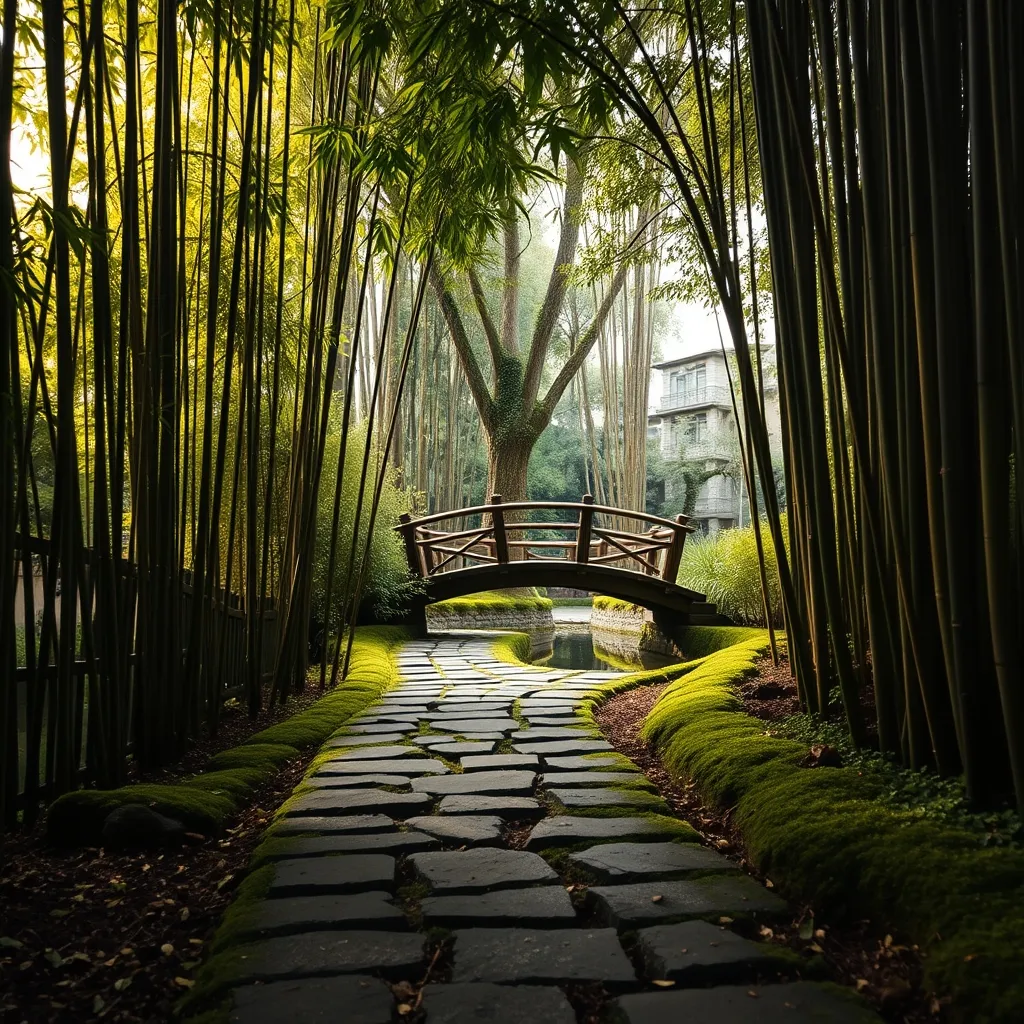
I still remember the first time I stumbled upon a secret garden in Kyoto. I was wandering through the narrow streets of Gion, trying to escape the crowds of tourists, when I stumbled upon a small, unassuming gate hidden behind a wall of bamboo. The gate was old and worn, with a small sign that read "private property" in Japanese. But something about it drew me in, and I decided to take a chance and knock on the gate. To my surprise, an elderly woman answered, and after a brief conversation, she invited me to enter the garden. As I stepped inside, I was transported to a different world - a world of serene beauty, tranquility, and peace.
The garden was small, but it was filled with a stunning array of plants and flowers, carefully tended by the elderly woman and her family for generations. There was a small pond in the center of the garden, filled with koi fish and surrounded by tall trees and lush greenery. The air was filled with the sweet scent of blooming flowers, and the sound of birds singing in the trees. It was like nothing I had ever experienced before, and I felt grateful to have stumbled upon this hidden oasis in the heart of Kyoto.
A Brief History of Kyoto's Secret Gardens
Kyoto's secret gardens have a long and storied history, dating back to the Heian period (794-1185 CE). During this time, the city was the capital of Japan, and the aristocracy built large, elaborate gardens as a symbol of their wealth and status. These gardens were often designed by famous landscape architects, and featured intricate stone carvings, ponds, and teahouses. Over time, however, many of these gardens fell into disrepair, and were forgotten by the general public. But in recent years, there has been a renewed interest in these secret gardens, and many have been restored to their former glory.
One of the most famous secret gardens in Kyoto is the Garden of the Golden Pavilion, also known as Kinkaku-ji. This garden was built in the 15th century as a retirement villa for the Shogun, and features a stunning golden pavilion that is reflected perfectly in the calm waters of the pond. The garden is also home to a variety of plants and flowers, including cherry blossoms, maple trees, and irises. But what makes this garden truly special is its sense of tranquility and peace - it is a place where one can escape the hustle and bustle of city life, and connect with nature and oneself.
Exploring Kyoto's Hidden Oases
While the Garden of the Golden Pavilion is one of the most famous secret gardens in Kyoto, there are many others that are worth exploring. The Philosopher's Path, for example, is a scenic walking path that runs along a canal lined with hundreds of cherry blossom trees. The path is especially beautiful during the spring, when the blossoms are in bloom, and is a popular spot for locals and tourists alike. Another hidden oasis is the garden of the Sanjusangendo Temple, which features a stunning array of flowers and plants, including 1,001 life-size statues of Kannon, the Buddhist goddess of mercy.
But Kyoto's secret gardens are not just limited to temples and public parks. Many private homes and estates also have beautiful gardens, which are often hidden behind high walls and unassuming gates. These gardens are often tended by the owners themselves, who take great pride in their beauty and tranquility. And while they may not be open to the public, they can still be appreciated from the outside - a glimpse of a beautiful garden through a gate or over a wall can be a powerful reminder of the beauty and tranquility that exists just out of sight.
Preserving Kyoto's Secret Gardens for Future Generations
As Kyoto continues to grow and develop, there is a risk that many of its secret gardens will be lost forever. The city is facing pressure to develop its land and build new buildings, which could lead to the destruction of many of these hidden oases. But there are also many people working to preserve Kyoto's secret gardens, including the city government, local residents, and conservation organizations. These efforts include restoring old gardens, building new ones, and promoting the importance of these green spaces to the public.
I explored a related angle in Unseen Heroes of the Renaissance if you want to keep pulling this thread.
As someone who has had the privilege of experiencing Kyoto's secret gardens firsthand, I believe that it is essential to preserve these hidden oases for future generations. Not only do they provide a peaceful escape from the hustle and bustle of city life, but they also offer a unique glimpse into Kyoto's history and culture. By preserving these gardens, we can ensure that they continue to thrive and inspire people for years to come. And who knows - you may even stumble upon a secret garden of your own, hidden behind a gate or wall, waiting to be discovered.