Uncovering Kyoto's Geisha Legacy
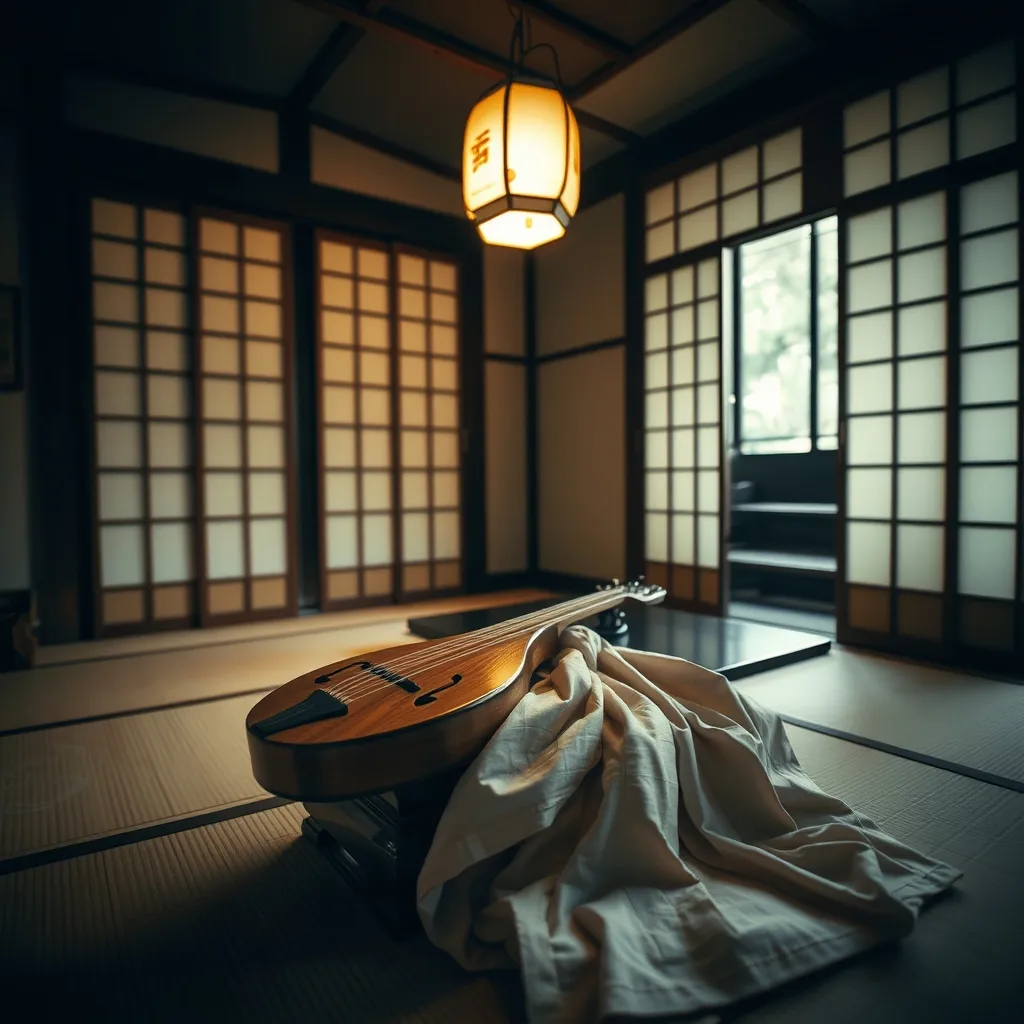
I've always been fascinated by the mystique surrounding Japan's geisha culture, and Kyoto, the cultural heart of the country, is the perfect place to delve into this enchanting world. As I walk through the city's historic districts, I can feel the weight of tradition and history that permeates every aspect of geisha life. From the intricately designed kimonos to the precise movements of the traditional Japanese dances, every detail is a testament to the dedication and craftsmanship of these iconic performers. The geisha legacy is a complex and multifaceted one, full of nuances and contradictions, and it's a world that I'm eager to explore and understand.
History of the Geisha
The geisha tradition dates back to the 17th century, when entertainers known as geiko would perform for the wealthy and powerful elite in Japan's pleasure quarters. Over time, the geisha evolved into a unique and highly respected profession, with geisha undergoing rigorous training in music, dance, and poetry. The geisha were not just entertainers, but also companions and confidantes, providing a level of emotional and intellectual support that was unparalleled in Japanese society. Despite their exalted status, however, the geisha were also bound by a strict set of rules and conventions, with every aspect of their lives carefully controlled and regulated. This paradox of freedom and constraint is at the heart of the geisha legacy, and it's a tension that continues to shape the lives of geisha today.
As I explore Kyoto's geisha districts, I'm struck by the sense of continuity and tradition that pervades every aspect of geisha life. From the traditional tea houses to the ornate temples and shrines, every detail seems to be infused with a deep sense of history and cultural significance. The geisha themselves are a testament to this tradition, with their exquisite kimonos and precise, elegant movements. And yet, despite the sense of timelessness that surrounds them, the geisha are also a dynamic and evolving part of Japanese culture, adapting to the changing needs and values of modern society. This blend of tradition and innovation is a key part of the geisha legacy, and it's something that I'm eager to learn more about.
The Art of the Geisha
At the heart of the geisha legacy is the art of entertainment itself, a complex and multifaceted discipline that encompasses music, dance, poetry, and conversation. The geisha are trained in a wide range of traditional arts, from the shamisen (a type of Japanese lute) to the kabuki theater, and they must be able to perform with precision and elegance. But the geisha are not just performers; they are also artists, using their talents to create a unique and captivating experience for their audience. This experience is not just about entertainment, but about creating a sense of connection and community, a sense of shared understanding and appreciation that transcends the boundaries of time and culture. As I watch a geisha performance, I'm struck by the sense of beauty and wonder that it evokes, a sense of being transported to a different world, one that is both familiar and yet utterly foreign.
Despite the many challenges and controversies that have surrounded the geisha tradition over the years, the geisha remain an integral part of Japanese culture, a symbol of the country's rich history and cultural heritage. As I reflect on my experiences in Kyoto, I'm struck by the sense of respect and admiration that the geisha inspire, a sense of awe and wonder that is deeply rooted in the Japanese psyche. The geisha legacy is a complex and multifaceted one, full of nuances and contradictions, but it's also a testament to the power of tradition and culture to shape and inspire us. As I leave Kyoto and return to my everyday life, I know that the memories and impressions of this enchanting world will stay with me forever, a reminder of the beauty and wonder that awaits us just beyond the edge of our everyday reality.
Preservation and Revitalization
As I look to the future of the geisha legacy, I'm aware of the many challenges that this traditional profession faces in modern Japan. The geisha tradition is not just a relic of the past, but a living, breathing part of Japanese culture, one that continues to evolve and adapt to the changing needs and values of society. And yet, despite its enduring significance, the geisha tradition is also facing many challenges, from the declining number of geisha to the increasing commercialization of traditional arts. To preserve and revitalize the geisha legacy, it's essential to support and promote the geisha community, to provide opportunities for young geisha to train and perform, and to raise awareness about the importance of this traditional profession. By working together to preserve and promote the geisha legacy, we can help to ensure that this unique and captivating culture continues to thrive and inspire future generations.
I explored a related angle in Decoding Ancient Mesopotamia's Cuneiform if you want to keep pulling this thread.
In conclusion, my journey into the world of Kyoto's geisha has been a truly unforgettable experience, one that has left me with a deep sense of respect and admiration for this traditional profession. The geisha legacy is a complex and multifaceted one, full of nuances and contradictions, but it's also a testament to the power of tradition and culture to shape and inspire us. As I reflect on my experiences in Kyoto, I know that the memories and impressions of this enchanting world will stay with me forever, a reminder of the beauty and wonder that awaits us just beyond the edge of our everyday reality. The geisha legacy is a precious and fragile thing, one that requires our support and appreciation to survive, and I hope that my experiences will inspire others to learn more about and appreciate this unique and captivating culture.