Uncovering the Lost City of Angkor
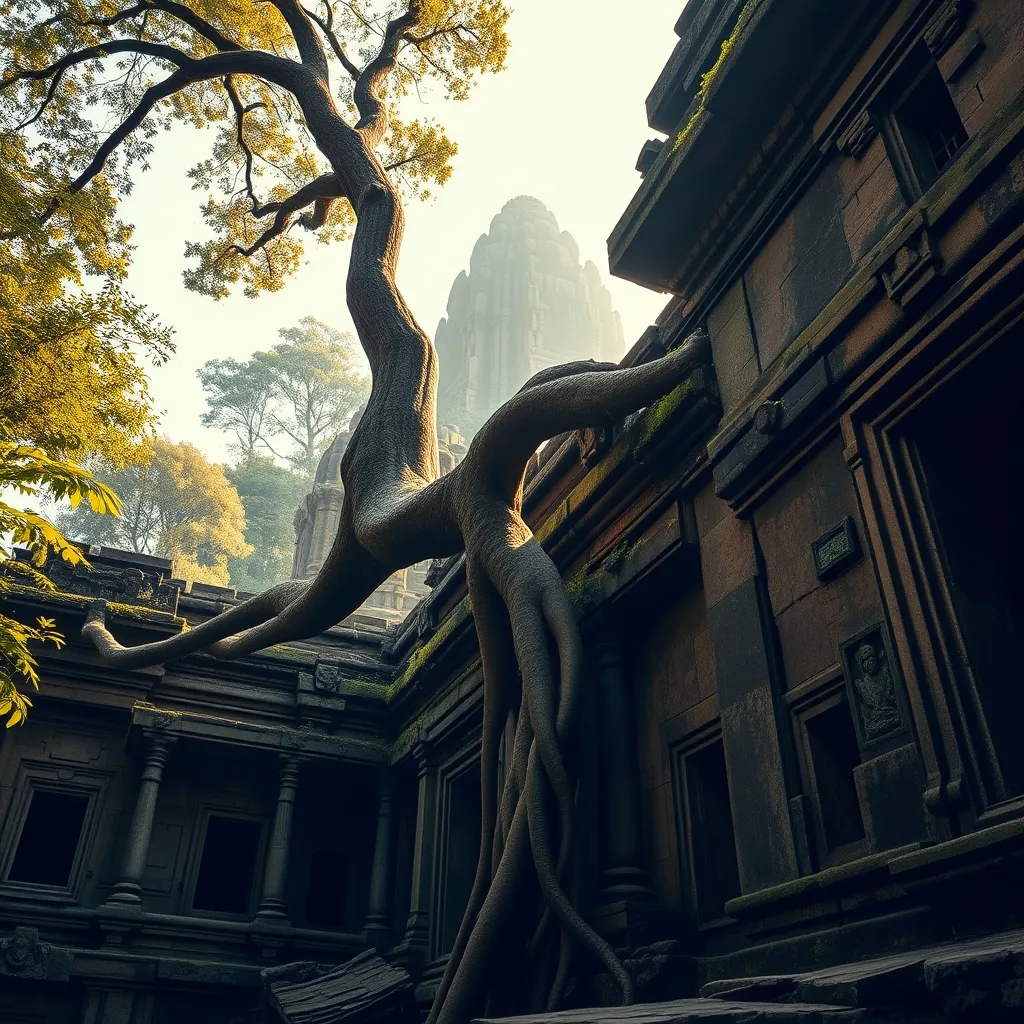
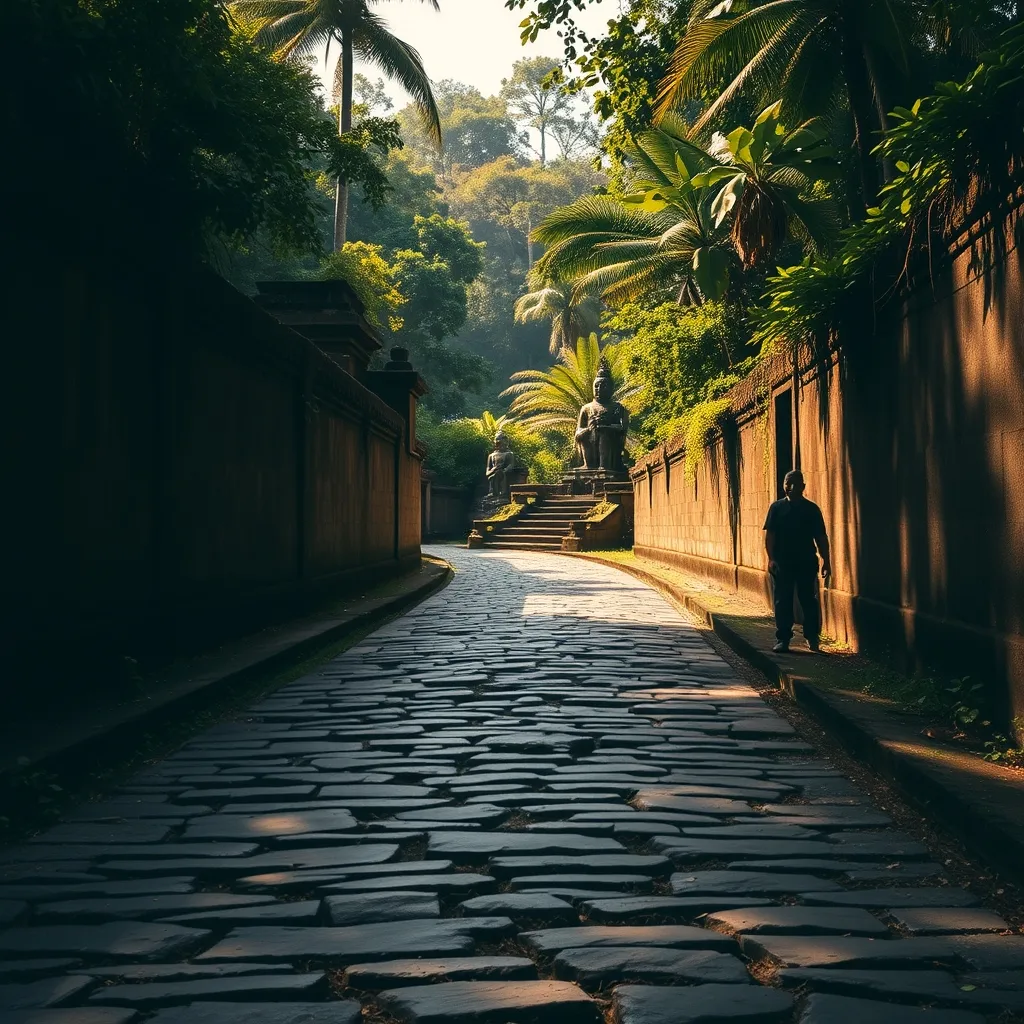
I still remember the day I stumbled upon the ancient temples of Angkor, hidden deep within the jungles of Cambodia. The sheer scale and intricate carvings of these structures left me breathless, and I knew right then that I had to learn more about this lost city. As I delved deeper into the history of Angkor, I discovered a rich and complex culture that spanned centuries, with a blend of Hinduism, Buddhism, and local traditions. The city's strategic location at the crossroads of major trade routes made it a hub of commerce and intellectual exchange, attracting scholars, artists, and merchants from all over the world.
Unraveling the Mysteries of Angkor's Past
One of the most fascinating aspects of Angkor's history is its mysterious decline. At the height of its power, the city was home to over a million people, with a sophisticated system of canals, roads, and temples. However, by the 16th century, Angkor was abandoned, and the jungle had reclaimed much of the city. Archaeologists and historians have proposed various theories to explain this decline, including wars with neighboring kingdoms, environmental disasters, and the rise of Theravada Buddhism. While we may never know the exact reasons for Angkor's decline, it is clear that the city's legacy continues to captivate and inspire people around the world.
As I explored the temples of Angkor, I was struck by the intricate carvings and bas-reliefs that adorn the walls. These carvings depict scenes from everyday life, as well as mythological stories and battles. They provide a unique window into the culture and values of the people who built Angkor, and offer a glimpse into the daily lives of the city's inhabitants. From the elegant apsaras (heavenly nymphs) to the fearsome asuras (demons), the carvings of Angkor are a testament to the artistic and cultural achievements of the Khmer people.
Rediscovering Angkor's Cultural Heritage
In recent years, there has been a renewed effort to preserve and restore the temples of Angkor, as well as to promote the cultural heritage of the Khmer people. This has included initiatives to protect the site from looting and vandalism, as well as programs to support local communities and promote sustainable tourism. As a result, visitors to Angkor can now experience the city's rich cultural heritage in a more authentic and responsible way. From the vibrant markets and festivals of Siem Reap to the traditional dance and music performances, there are many ways to engage with the living culture of Cambodia and to learn about the history and traditions of the Khmer people.
Despite the many challenges and controversies surrounding the preservation of Angkor, it is clear that the site remains an important cultural and historical treasure. As we continue to learn more about the history and culture of Angkor, we are reminded of the importance of preserving our cultural heritage for future generations. Whether you are an archaeologist, historian, or simply a curious traveler, Angkor has something to offer everyone. From the majestic temples and intricate carvings to the vibrant culture and rich history, Angkor is a truly unique and unforgettable destination.
Preserving Angkor's Legacy for the Future
As I reflect on my experiences exploring the ancient temples of Angkor, I am reminded of the importance of preserving our cultural heritage for future generations. The site's rich history and cultural significance make it a valuable resource for scholars, tourists, and local communities alike. However, the challenges facing Angkor's preservation are significant, from the impacts of climate change and tourism to the ongoing threats of looting and vandalism. To address these challenges, it is essential that we work together to promote sustainable tourism practices, support local communities, and protect the site from harm. By doing so, we can ensure that the legacy of Angkor continues to inspire and educate people around the world for generations to come.
I explored a related angle in Unveiling the Secrets of Petra if you want to keep pulling this thread.
In conclusion, the lost city of Angkor is a truly unique and fascinating destination that offers a glimpse into the rich cultural heritage of the Khmer people. From the intricate carvings and bas-reliefs to the vibrant culture and rich history, Angkor has something to offer everyone. As we continue to learn more about the history and culture of Angkor, we are reminded of the importance of preserving our cultural heritage for future generations. Whether you are an archaeologist, historian, or simply a curious traveler, Angkor is a must-see destination that is sure to leave a lasting impression.