Unraveling the Mystique of Samurai Honor
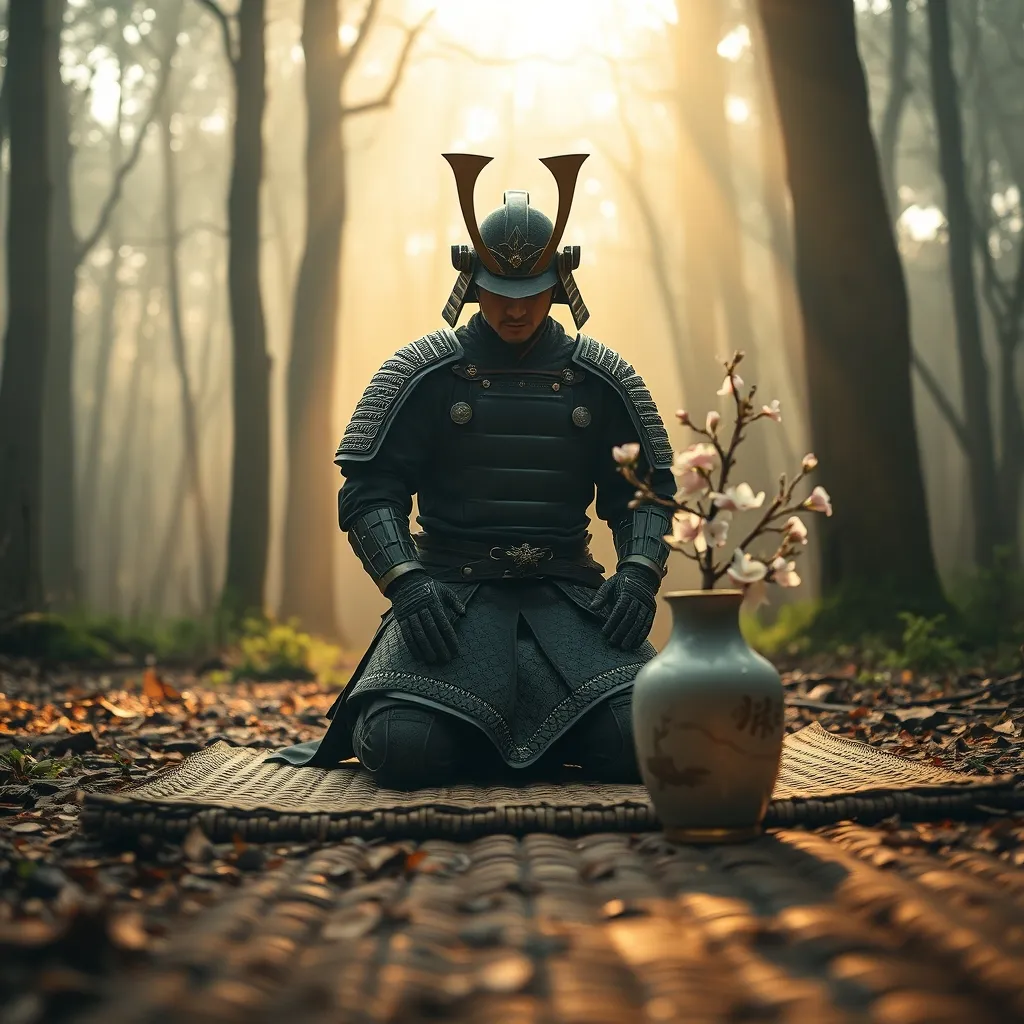
I've always been fascinated by the concept of samurai honor, a code that has captivated the imagination of people around the world. As I delved deeper into the history and culture of Japan, I began to realize that the mystique surrounding the samurai is not just about their bravery and martial skills, but about a complex set of values and principles that guided their behavior. At its core, the samurai code, known as Bushido, is a unique blend of Confucianism, Shintoism, and Zen Buddhism, which emphasizes the importance of loyalty, discipline, and self-sacrifice.
The origins of Bushido can be traced back to the 12th century, when the samurai class emerged as the dominant force in Japanese society. Over time, the code evolved and was influenced by various philosophical and religious traditions. One of the key principles of Bushido is the concept of "giri," or social obligation, which refers to the duty that a samurai owes to his lord, his family, and his community. This sense of obligation is deeply ingrained in Japanese culture and is still evident today in the strong emphasis on social harmony and respect for authority.
The Seven Virtues of Bushido
The Bushido code is often summarized in terms of seven key virtues: rectitude, courage, benevolence, respect, honesty, loyalty, and self-discipline. These virtues are not just abstract principles, but are meant to be lived out in daily life. For example, the virtue of rectitude refers to the importance of being truthful and transparent in one's words and actions. Courage, on the other hand, is not just about physical bravery, but also about the willingness to take risks and face challenges head-on. Benevolence and respect are also essential virtues, as they emphasize the importance of treating others with kindness and compassion.
One of the most interesting aspects of Bushido is the way it combines seemingly contradictory values, such as the emphasis on both violence and compassion. On the one hand, the samurai were trained to be fierce warriors, capable of inflicting great harm on their enemies. On the other hand, they were also expected to be cultivated and refined, with a deep appreciation for art, literature, and nature. This paradox is reflected in the famous saying, "The pen and the sword are the symbols of the samurai," which highlights the importance of both intellectual and martial pursuits.
The Decline of the Samurai Class
Despite its enduring influence on Japanese culture, the samurai class began to decline in the late 19th century, as the country underwent a period of rapid modernization. The Meiji Restoration of 1868 marked the end of feudalism and the beginning of a new era of industrialization and urbanization. As the samurai class was dismantled, many former warriors were forced to adapt to new roles and professions, leading to a sense of dislocation and disorientation. However, the values and principles of Bushido continued to shape Japanese society, influencing everything from business and education to politics and international relations.
Today, the legacy of the samurai can be seen in many aspects of Japanese culture, from the martial arts to the traditional tea ceremony. The emphasis on discipline, hard work, and self-sacrifice that is characteristic of Bushido continues to inspire people around the world. As I reflect on the mystique of samurai honor, I am struck by the enduring power of this noble warrior code, which reminds us of the importance of living with integrity, respect, and compassion.
Conclusion and Reflection
I explored a related angle in Uncovering the Secrets of Samurai Honor if you want to keep pulling this thread.
In conclusion, unraveling the mystique of samurai honor is a complex and fascinating task, one that requires a deep understanding of Japanese history and culture. As we explore the principles and values of Bushido, we are reminded of the importance of living a life of purpose and meaning. Whether we are inspired by the bravery and martial skills of the samurai or by their emphasis on compassion and respect, we can all learn from this noble warrior code. As I finish writing this blog post, I am left with a sense of awe and respect for the samurai, who embodied a unique blend of strength and vulnerability, courage and compassion.