Unveiling the Mystique of the Inca Empire
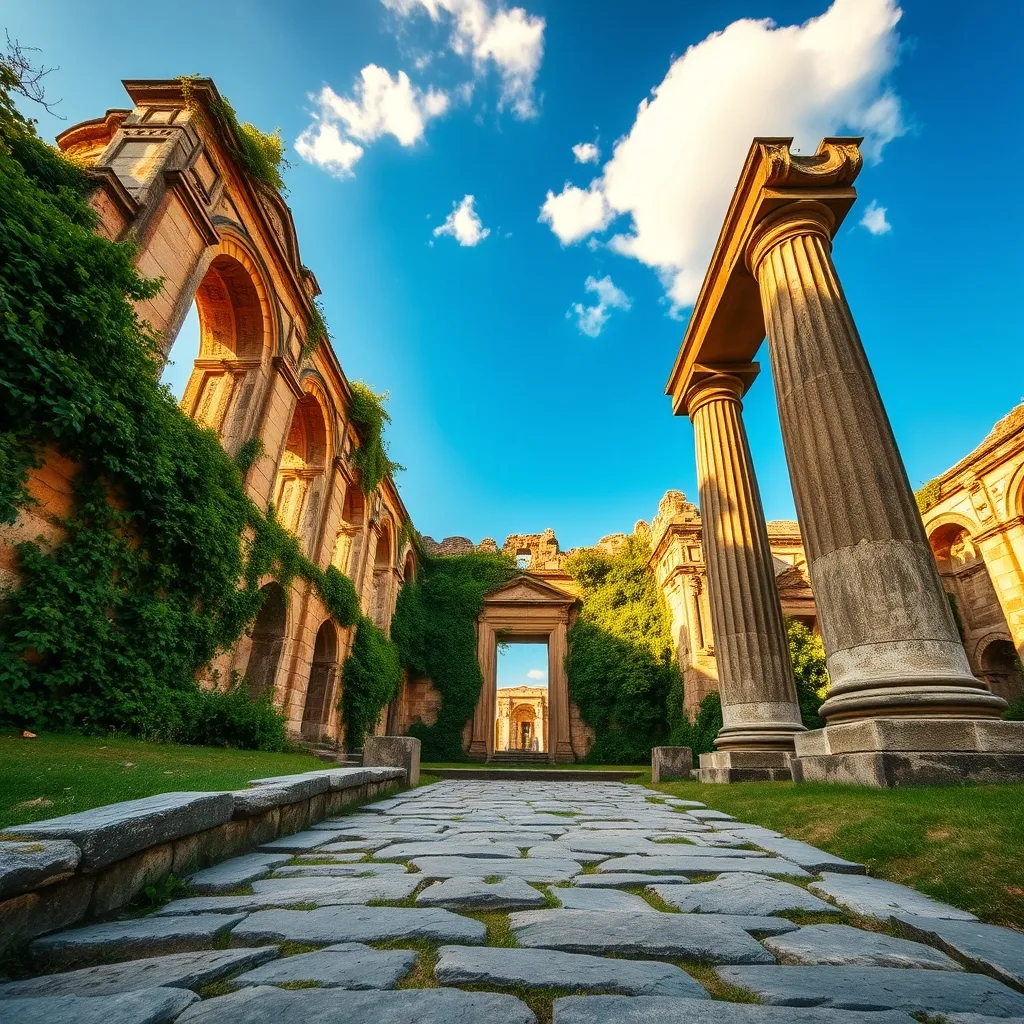
I've always been fascinated by the Inca Empire, and as I delved deeper into its history, I realized that there's so much more to this ancient civilization than just its impressive architecture. The Inca Empire was a complex and sophisticated society that thrived in the Andean region of South America from the 13th to the 16th century. At its peak, it was the largest and most powerful empire in the Americas, covering a vast territory that stretched from modern-day Colombia to Chile. One of the most intriguing aspects of the Inca Empire is its mysterious and often misunderstood history, which has been shrouded in myth and legend for centuries.
As I explored the ruins of Machu Picchu, I couldn't help but feel a sense of awe and wonder at the ingenuity and skill of the Inca people. This magnificent city, built on a mountain ridge over 2,400 meters above sea level, is a testament to the advanced engineering and architectural skills of the Incas. The city's intricate stonework, terracing, and drainage systems are a marvel of ancient technology, and it's no wonder that Machu Picchu is considered one of the most impressive and mysterious sites in the world. But what's even more fascinating is the story behind this incredible city, and the people who built it.
The History of the Inca Empire
The Inca Empire was founded in the 13th century by the legendary leader Manco Cápac, who is said to have been sent by the sun god to establish a new kingdom. Over the centuries, the empire expanded rapidly, conquering many neighboring tribes and kingdoms. The Incas were skilled warriors and administrators, and they developed a sophisticated system of government, economy, and social organization. They built an extensive network of roads, trails, and communication systems that allowed them to maintain control over their vast territory. The Incas were also skilled farmers, and they developed innovative irrigation systems that allowed them to cultivate crops in the challenging Andean terrain.
One of the most interesting aspects of Inca society is its social hierarchy, which was divided into strict castes. At the top of the hierarchy was the emperor, or Sapa Inca, who was considered to be a living god. Below him were the nobles, priests, and officials, who made up the ruling class. The majority of the population was made up of farmers, artisans, and laborers, who worked the land and provided the goods and services that kept the empire running. The Incas also had a complex system of taxation, which included tributes of goods, labor, and services. This system allowed the empire to maintain its vast network of roads, trails, and public buildings, and to support its large and complex bureaucracy.
The Culture and Traditions of the Inca Empire
Inca culture was rich and vibrant, and it was characterized by a deep connection to the natural world. The Incas believed in a complex pantheon of gods and goddesses, who were associated with the sun, moon, earth, and other natural phenomena. They also believed in an afterlife, and they practiced elaborate funeral rites and ceremonies to honor their dead. The Incas were skilled craftsmen, and they produced beautiful textiles, ceramics, and metalwork. They were also skilled musicians and dancers, and they had a rich tradition of storytelling and oral history. One of the most fascinating aspects of Inca culture is its use of textiles, which were not only functional but also carried deep symbolic meaning. The Incas used textiles to convey status, power, and identity, and they developed a complex system of codes and symbols that were woven into their fabrics.
The Incas were also skilled astronomers, and they developed a sophisticated understanding of the movements of the sun, moon, and stars. They built elaborate observatories and temples, which were aligned with the celestial bodies and allowed them to track the passage of time. The Incas also developed a complex system of mathematics, which was based on a decimal system and allowed them to make precise calculations and measurements. This system was used to build their impressive roads, bridges, and public buildings, and to manage their vast and complex empire.
The Legacy of the Inca Empire
Today, the legacy of the Inca Empire can be seen in the many ruins and artifacts that remain throughout the Andean region. Machu Picchu, of course, is the most famous and iconic of these sites, but there are many other impressive ruins and monuments that are worth visiting. The Incas also left behind a rich cultural heritage, which continues to inspire and influence people around the world. Their textiles, ceramics, and metalwork are highly prized by collectors and museums, and their music, dance, and storytelling traditions continue to be celebrated and performed. The Incas also had a profound impact on the modern world, and their legacy can be seen in the many cultures and societies that they influenced. From the Spanish conquistadors to the modern-day governments of South America, the Incas have left an indelible mark on the course of human history.
I explored a related angle in Uncharted Expeditions: The Forgotten Voyage of Zheng He if you want to keep pulling this thread.
As I reflect on my journey to uncover the secrets of the Inca Empire, I am struck by the complexity and sophistication of this ancient civilization. The Incas were a people of great ingenuity and skill, who built a vast and powerful empire that thrived for centuries. Their legacy continues to inspire and fascinate us today, and their history and culture remain an important part of our shared human heritage. Whether you're an historian, an anthropologist, or simply someone who is curious about the world, the Inca Empire is a fascinating and rewarding topic to explore. So come and discover the secrets of Machu Picchu for yourself – I promise you won't be disappointed!