Beyond the Silk Road
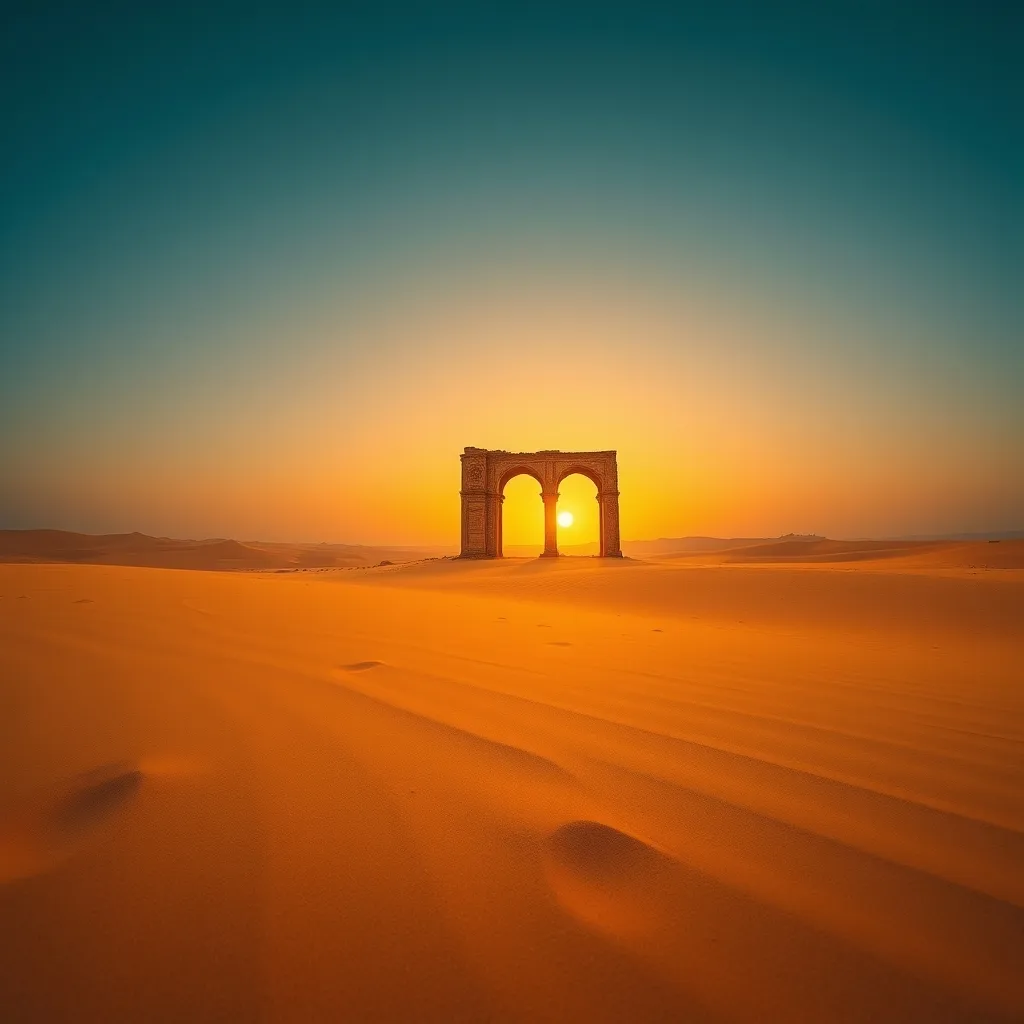
As I delve into the history of the Silk Road, I am constantly amazed by the sheer scale and complexity of this ancient network. The Silk Road was more than just a trade route - it was a conduit for the exchange of ideas, cultures, and innovations that shaped the course of human history. While many of us are familiar with the basic outline of the Silk Road, there is so much more to explore beyond the familiar narrative of merchants and traders. In this post, I want to take you on a journey to uncover some of the lesser-known secrets and stories that lie beyond the Silk Road.
One of the most fascinating aspects of the Silk Road is the way it facilitated the exchange of goods, technologies, and ideas between East and West. From the luxurious silks and spices of China to the fine glassware and wines of Rome, the Silk Road was a conduit for the flow of exotic commodities that transformed the lives of people across the ancient world. But the Silk Road was not just a one-way street - it was a dynamic network that allowed for the exchange of ideas, cultures, and innovations in both directions. For example, the ancient Chinese technique of sericulture, or silk production, was introduced to the Mediterranean region through the Silk Road, where it became a highly prized and lucrative industry.
The Spread of Ideas and Cultures
The Silk Road was also a major conduit for the spread of ideas and cultures. Buddhism, which originated in India, spread to China, Korea, and Japan through the Silk Road, where it had a profound impact on the spiritual and philosophical landscape of these regions. Similarly, Christianity and Islam spread to the East through the Silk Road, where they interacted and influenced local cultures in complex and fascinating ways. The Silk Road also facilitated the exchange of scientific and technological knowledge, such as the transmission of Greek astronomy and mathematics to China, where they were incorporated into the Chinese astronomical tradition.
As we explore the history of the Silk Road, we begin to appreciate the sheer diversity and complexity of the cultures and civilizations that were connected by this network. From the nomadic tribes of the Eurasian steppes to the sophisticated urban centers of China and the Mediterranean, the Silk Road was a thread that linked together a vast and varied tapestry of human experience. And yet, despite its importance, the Silk Road remains somewhat of a mystery, a shadowy presence that haunts the margins of our historical consciousness. By exploring the secrets and stories that lie beyond the Silk Road, we can gain a deeper understanding of the complex and interconnected world of the ancient past.
Uncovering Hidden Histories
One of the most exciting aspects of exploring the Silk Road is the opportunity to uncover hidden histories and forgotten stories. For example, the history of the Silk Road is often told from the perspective of the great empires and civilizations that dominated the network, such as the Chinese, Romans, and Mongols. But what about the smaller, lesser-known cultures and communities that were also connected by the Silk Road? What about the stories of the merchants, traders, and travelers who risked everything to journey along this ancient network? By exploring these hidden histories, we can gain a more nuanced and multifaceted understanding of the Silk Road and its significance in world history.
As I reflect on the history of the Silk Road, I am struck by the ways in which this ancient network continues to shape our world today. From the global trade networks that crisscross our planet to the cultural and ideological exchanges that shape our modern world, the legacy of the Silk Road can be seen in countless aspects of our contemporary experience. And yet, despite its enduring importance, the Silk Road remains a somewhat mysterious and elusive presence, a reminder of the complexity and richness of human history. By exploring the secrets and stories that lie beyond the Silk Road, we can gain a deeper appreciation for the interconnectedness of human experience and the ways in which our individual stories are linked together by the threads of history.
A Lasting Legacy
The Silk Road may be an ancient network, but its legacy continues to shape our world in profound and lasting ways. From the spread of ideas and cultures to the exchange of goods and technologies, the Silk Road was a conduit for the flow of innovation and progress that transformed the ancient world. As we look to the future, we would do well to remember the lessons of the Silk Road, which remind us of the importance of cultural exchange, cooperation, and mutual understanding. By exploring the secrets and stories that lie beyond the Silk Road, we can gain a deeper appreciation for the complexity and richness of human history, and a greater understanding of the ways in which our individual stories are linked together by the threads of time.
I explored a related angle in The Secret Archives of Marrakech if you want to keep pulling this thread.
In conclusion, the Silk Road was a complex and multifaceted network that shaped the course of human history in profound and lasting ways. By exploring the secrets and stories that lie beyond the Silk Road, we can gain a deeper understanding of the interconnectedness of human experience and the ways in which our individual stories are linked together by the threads of history. Whether we are historians, anthropologists, or simply curious travelers, the Silk Road offers a rich and fascinating terrain for exploration and discovery, a reminder of the complexity and richness of human history and the enduring legacy of this ancient network.