Echoes of Byzantium
As I delve into the history of the Byzantine Empire, I am struck by the sheer magnitude of its impact on modern society. From the intricate mosaics that adorn the walls of ancient churches to the complex political systems that governed its vast territories, the echoes of Byzantium can still be felt today. The empire's unique blend of Greek, Roman, and Christian influences created a distinct cultural identity that continues to fascinate historians and enthusiasts alike. In this blog post, I will explore the secrets of this fallen empire and examine the ways in which its legacy continues to shape our world.
The Rise of a New Rome
The Byzantine Empire, also known as the Eastern Roman Empire, was born from the ashes of the Western Roman Empire in the 4th century AD. As the western provinces succumbed to barbarian invasions, the eastern capital of Constantinople emerged as a beacon of stability and power. The city's strategic location, nestled between Europe and Asia, made it a hub of trade and commerce, attracting merchants and scholars from all corners of the known world. The Byzantine Empire's early years were marked by a series of ambitious rulers, including Emperor Justinian, who oversaw the construction of iconic landmarks such as the Hagia Sophia and the Basilica Cistern.
One of the most significant contributions of the Byzantine Empire was its preservation of classical knowledge. As the Western Roman Empire crumbled, many of its scholars and intellectuals fled to Constantinople, bringing with them valuable texts and manuscripts. The Byzantines carefully copied and translated these works, ensuring the survival of ancient Greek and Roman literature, philosophy, and science. This treasure trove of knowledge would later influence the development of the Renaissance in Europe, as scholars such as Petrarch and Boccaccio sought out Byzantine manuscripts to study and translate.
Art, Architecture, and the Orthodox Church
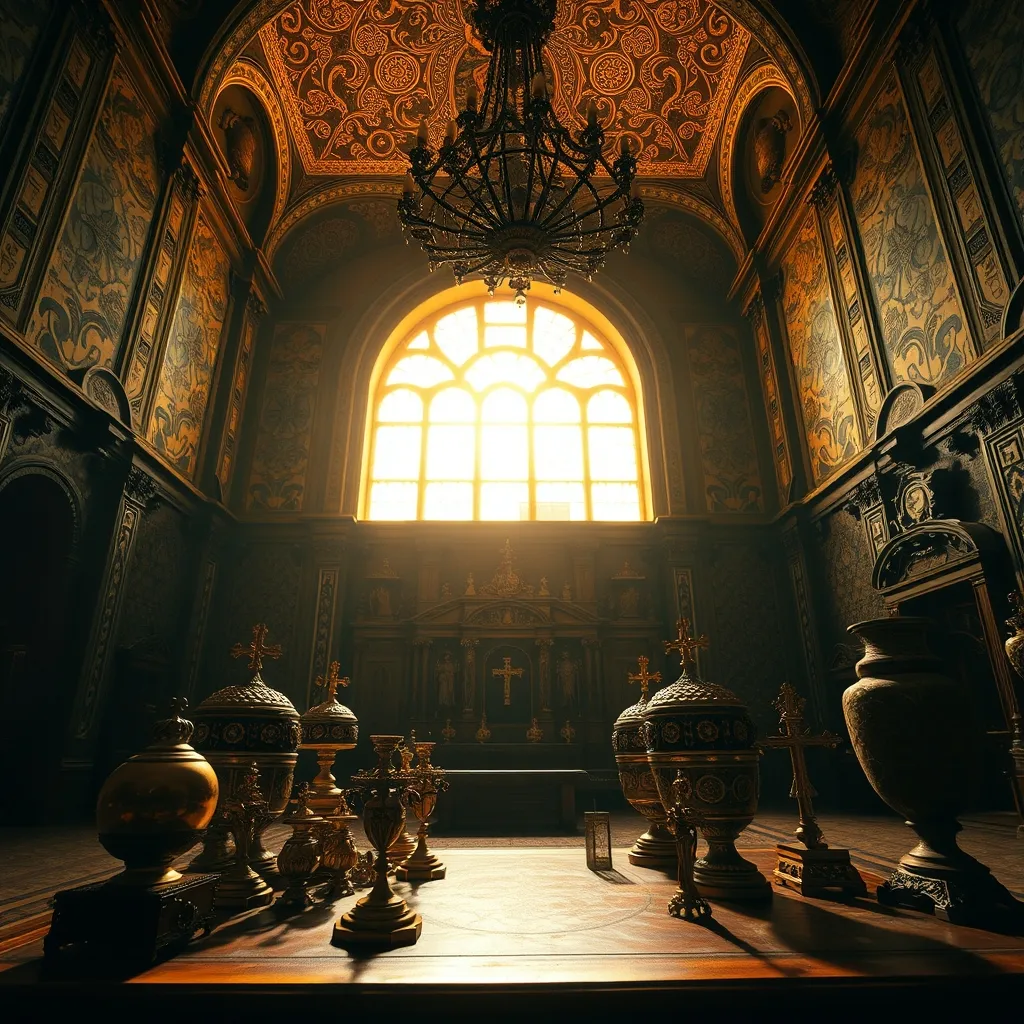
The Byzantine Empire was renowned for its stunning art and architecture, which reflected the complex interplay between Christian theology and imperial power. The use of gold, mosaics, and ornate decorations created a sense of awe and wonder, drawing worshippers into the mystical world of the Orthodox Church. The Byzantines developed a unique style of iconography, which emphasized the spiritual and emotional aspects of Christian worship. These icons, often depicting the Virgin Mary or Christ, were believed to possess sacred power, and their veneration played a central role in Byzantine religious practice.
The architecture of the Byzantine Empire was equally impressive, with buildings such as the Hagia Sophia and the Church of the Holy Apostles showcasing the empire's engineering prowess. The use of domes, arches, and vaults created a sense of verticality, drawing the eye upwards towards the heavens. This architectural style would later influence the development of Islamic and Gothic architecture, as builders and designers sought to emulate the grandeur of Byzantine structures.
Legacy of a Fallen Empire
Despite its eventual decline and fall to the Ottoman Turks in 1453, the Byzantine Empire's legacy continues to shape our world. The Orthodox Church, which emerged from the Byzantine Empire, remains a significant force in modern Christianity, with millions of adherents around the globe. The empire's artistic and architectural achievements continue to inspire wonder and awe, with many of its landmarks, such as the Hagia Sophia, now recognized as UNESCO World Heritage Sites. The Byzantine Empire's preservation of classical knowledge and its transmission to Europe played a crucial role in the development of Western civilization, influencing everything from the Renaissance to the Enlightenment.
I explored a related angle in The Secret Archives of Marrakech if you want to keep pulling this thread.
As I reflect on the echoes of Byzantium, I am struck by the empire's enduring impact on modern society. From the intricate mosaics that adorn the walls of ancient churches to the complex political systems that governed its vast territories, the Byzantine Empire's legacy is a testament to the power of human creativity and ingenuity. As we continue to navigate the complexities of our own world, the secrets of this fallen empire offer a fascinating glimpse into the possibilities and pitfalls of human civilization, reminding us of the importance of preserving our cultural heritage and learning from the triumphs and tragedies of the past.