Echoes of the Silk Road
I've always been fascinated by the ancient trade routes that connected the East and West, and the Silk Road is perhaps the most iconic of them all. As I delve into the history of this vast network, I'm struck by the sheer scale and complexity of the trade that took place along its routes. From the Chinese Empire to the Mediterranean, the Silk Road stretched over 4,000 miles, spanning deserts, mountains, and rivers. It was a conduit not just for goods, but for ideas, cultures, and technologies that shaped the course of human civilization.
The Silk Road was more than just a trade route - it was a cultural phenomenon that brought together people from diverse backgrounds and facilitated the exchange of goods, ideas, and innovations. Merchants, traders, and travelers from all over the world traversed the Silk Road, carrying with them exotic spices, precious metals, and luxurious fabrics. The road was also a conduit for the spread of Buddhism, Christianity, and Islam, as missionaries and pilgrims traveled along its routes, sharing their faith and ideologies with the people they encountered.
One of the most significant aspects of the Silk Road was the exchange of goods and technologies. Chinese silk, for example, was highly prized in the Roman Empire, and the demand for it drove trade and innovation. The Silk Road also facilitated the transfer of technologies, such as papermaking, gunpowder, and the compass, which had a profound impact on the development of civilizations in the West. The road was also a conduit for the spread of diseases, such as the Black Death, which had a devastating impact on European populations.
The Golden Age of Trade
The Silk Road reached its zenith during the Tang Dynasty in China, which ruled from 618 to 907 CE. This was a period of unprecedented prosperity and cultural flowering, and the Silk Road was at the heart of it. The Chinese Empire was a major hub of trade and commerce, and the Silk Road connected it to the rest of the world. The road was also a symbol of the power and prestige of the Chinese Empire, which was able to exert its influence over a vast swathe of territory through its control of the trade routes.
During this period, the Silk Road was a bustling thoroughfare, with merchants and traders from all over the world traveling along its routes. The road was also a conduit for the spread of ideas and cultures, as scholars, artists, and musicians traveled along its routes, sharing their knowledge and skills with the people they encountered. The Silk Road was a true melting pot of cultures, and its legacy can still be seen in the modern-day cultures of the regions through which it passed.
The Golden Age of the Silk Road was also a period of significant cultural and artistic achievement. The Chinese Empire was a major center of learning and culture, and the Silk Road facilitated the exchange of ideas and innovations between China and the rest of the world. The road was also a conduit for the spread of Buddhism, which had a profound impact on the development of Chinese culture and society.
Cities and Caravanserais
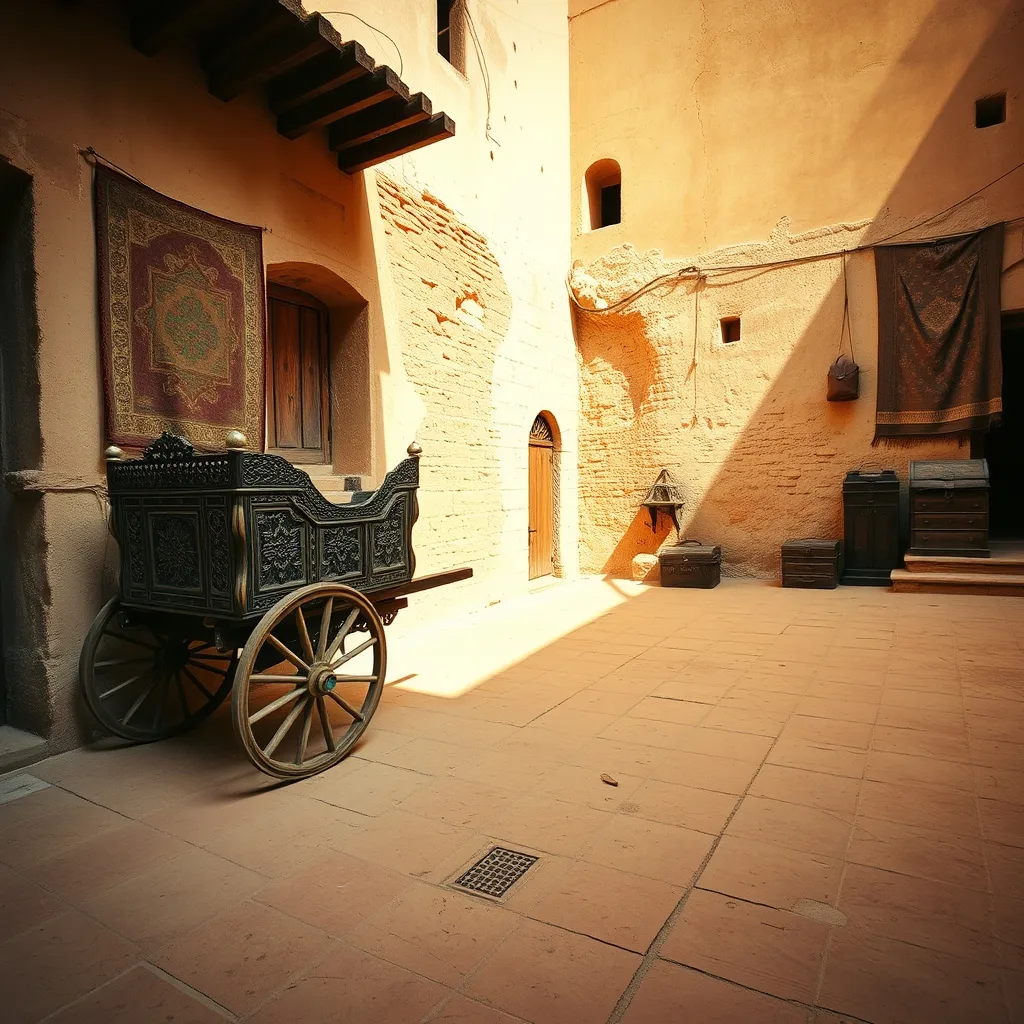
Along the Silk Road, there were numerous cities and caravanserais that catered to the needs of merchants and travelers. These cities, such as Samarkand, Bukhara, and Khiva, were major centers of trade and commerce, and they played a crucial role in the development of the Silk Road. The caravanserais, which were essentially roadside inns, provided shelter and sustenance to travelers, and they were often centers of learning and culture.
These cities and caravanserais were also major centers of cultural and artistic achievement. The architecture, art, and literature of these cities were heavily influenced by the cultures of the people who traveled along the Silk Road, and they reflect the diversity and richness of the cultures that interacted along its routes. The cities and caravanserais of the Silk Road were true cosmopolitan centers, where people from all over the world came together to exchange goods, ideas, and cultures.
Today, the legacy of the Silk Road can still be seen in the modern-day cultures of the regions through which it passed. The road may have fallen into disuse, but its impact on human history and culture is still felt. As we look to the future, it's worth remembering the lessons of the Silk Road, which showed us that even in the darkest of times, there is always the possibility for connection, exchange, and cooperation between different cultures and civilizations.
Uncovering the Secrets of the Silk Road
Despite its significance, the Silk Road remains somewhat of a mystery, and there is still much to be learned about its history and culture. Archaeologists and historians are continually uncovering new evidence about the Silk Road, and their discoveries are shedding new light on the lives and experiences of the people who traveled along its routes. From the ancient cities of China to the medieval towns of Europe, the legacy of the Silk Road can be seen in the modern-day cultures of the regions through which it passed.
As we continue to uncover the secrets of the Silk Road, we are reminded of the power of trade and cultural exchange to shape human history and culture. The Silk Road may be a relic of the past, but its legacy continues to inspire and fascinate us, and it remains an important reminder of the interconnectedness of human cultures and civilizations. By studying the Silk Road and its history, we can gain a deeper understanding of the complex and often surprising ways in which different cultures and civilizations have interacted and influenced each other over time.
I explored a related angle in The Secret Archives of Marrakech if you want to keep pulling this thread.
In conclusion, the Silk Road was a truly remarkable phenomenon that played a significant role in shaping human history and culture. Its legacy can still be seen in the modern-day cultures of the regions through which it passed, and it continues to inspire and fascinate us. As we look to the future, it's worth remembering the lessons of the Silk Road, which showed us that even in the darkest of times, there is always the possibility for connection, exchange, and cooperation between different cultures and civilizations.