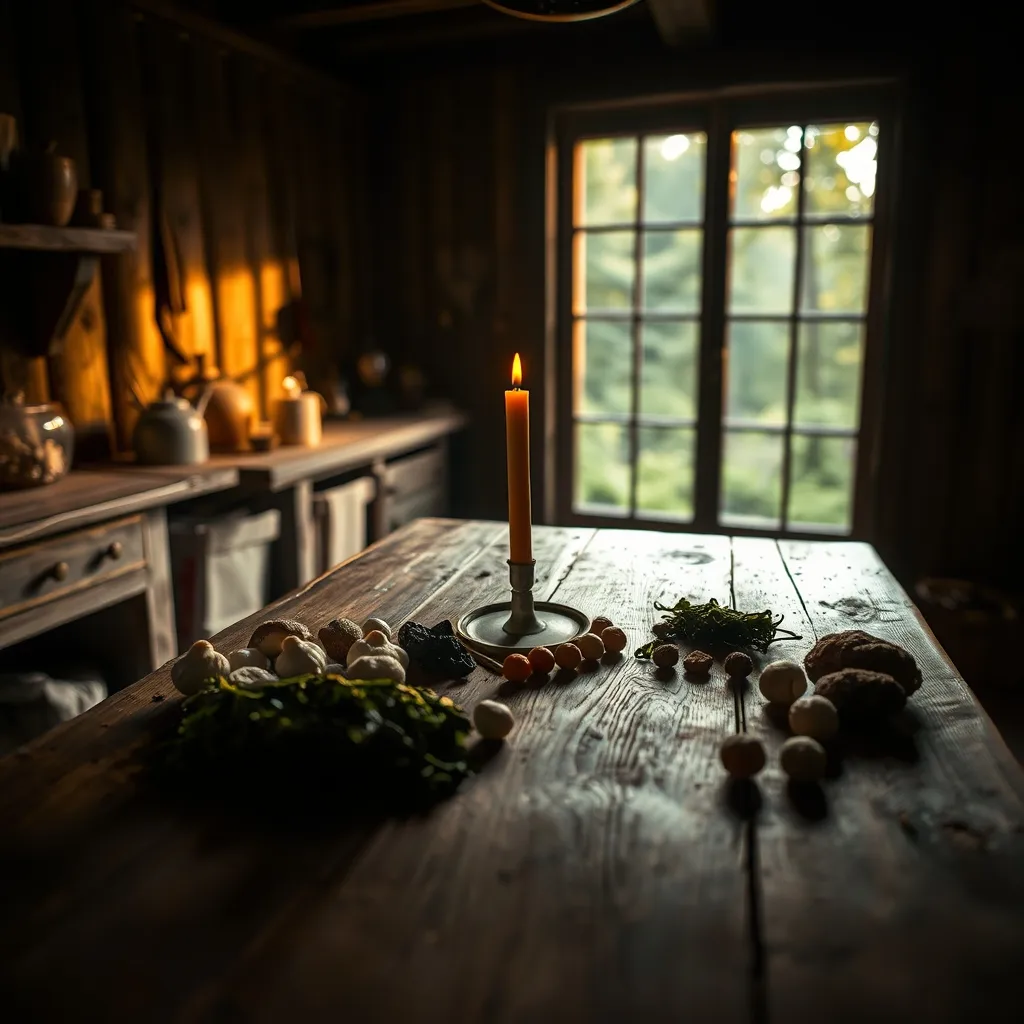
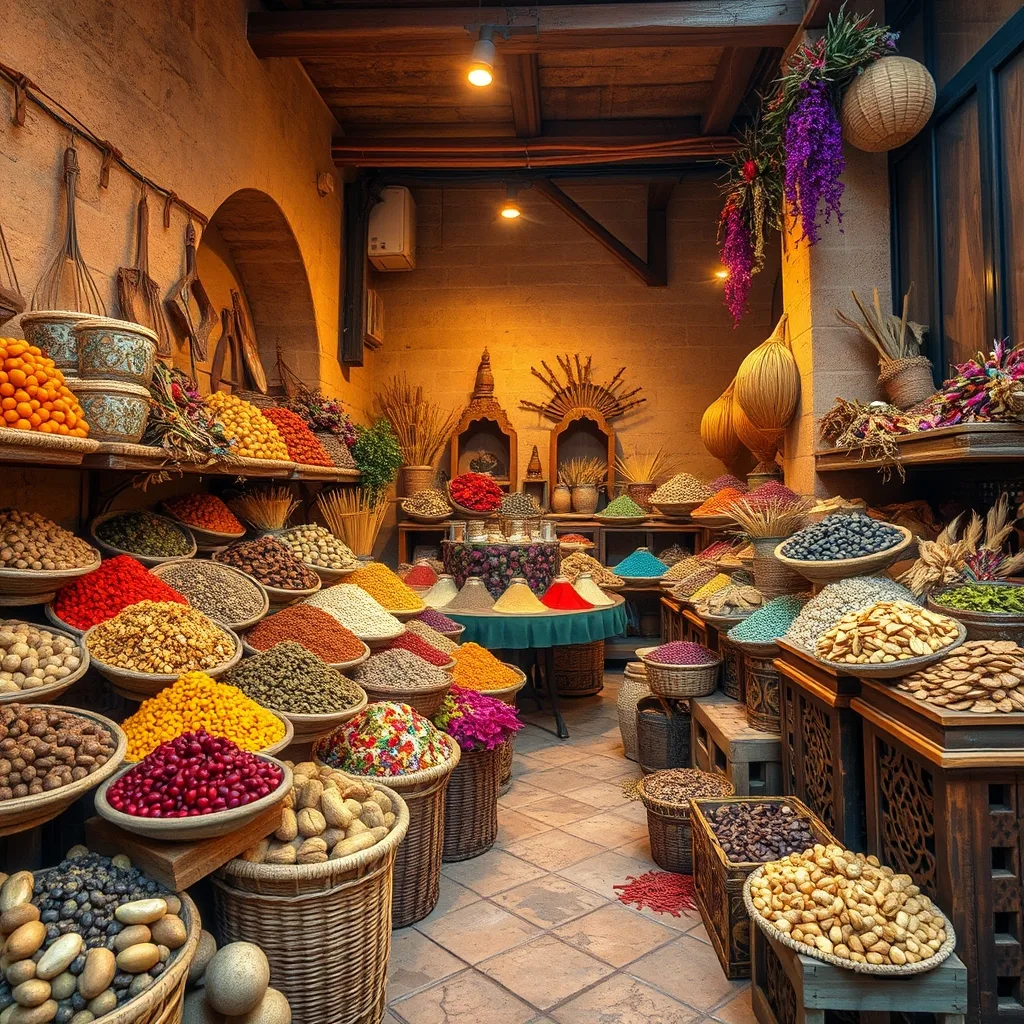
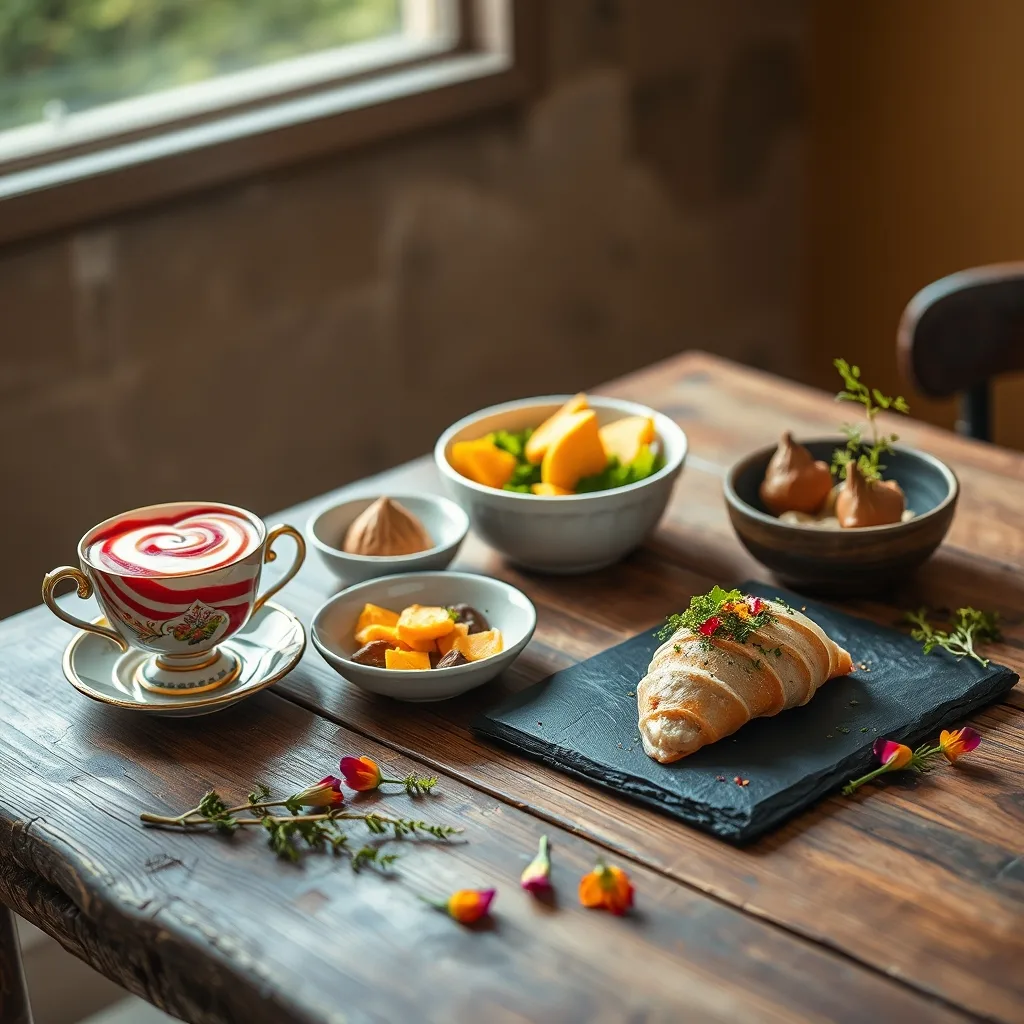
Flavors of Nostalgia: Forgotten Family Recipes
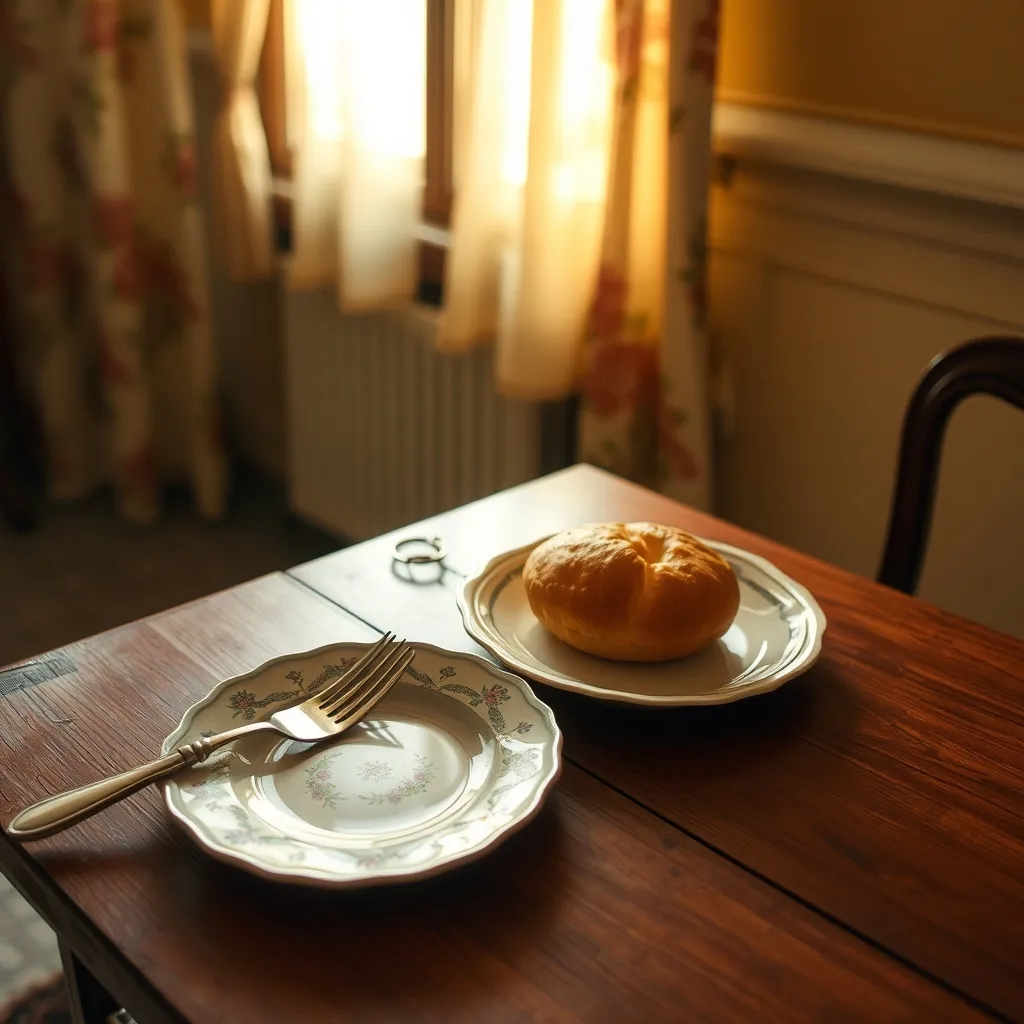
As I sit in my kitchen, surrounded by the aromas of my childhood, I am reminded of the power of food to transport us back in time. The smell of freshly baked bread, the taste of a rich stew, or the sound of sizzling vegetables on the stovetop can instantly evoke memories of family gatherings, holidays, and special occasions. For me, these sensory experiences are a direct link to my heritage, and the recipes that have been passed down through generations of my family are a treasured part of my cultural identity. In this blog post, I want to explore the concept of "flavors of nostalgia" and how forgotten family recipes can help us rediscover our heritage.
My grandmother's kitchen was always filled with the most incredible smells, and I have vivid memories of watching her cook up a storm. She would spend hours preparing meals from scratch, using recipes that had been passed down from her mother and grandmother before her. These recipes were more than just a list of ingredients and instructions - they were a connection to our family's history and cultural traditions. As I grew older, I began to appreciate the significance of these recipes and the role they played in shaping our family's identity. Unfortunately, many of these recipes have been lost over time, and it's only now that I'm trying to recreate them that I realize how much we've forgotten.
Uncovering Forgotten Recipes
One of the biggest challenges I faced when trying to recreate my family's traditional recipes was tracking down the original instructions. Many of these recipes were never written down, and instead, were passed down through oral tradition. My grandmother would often cook from memory, using a combination of intuition and experience to guide her. While this approach worked well for her, it made it difficult for me to replicate the dishes with any degree of accuracy. I had to rely on my own memories of watching her cook, as well as conversations with other family members who had learned from her. It was a painstaking process, but eventually, I was able to piece together many of the recipes that had been lost.
As I delved deeper into the world of forgotten family recipes, I began to realize that I was not alone in my quest. Many people are now seeking to rediscover their cultural heritage through food, and there is a growing interest in traditional recipes and cooking techniques. This trend is not just about nostalgia - it's also about preserving our cultural identity and passing it down to future generations. By cooking and sharing these recipes, we can help to keep our heritage alive and ensure that it continues to play an important role in our lives.
The Significance of Traditional Recipes
Traditional recipes are more than just a list of ingredients and instructions - they are a window into our cultural past. They reflect the history, values, and traditions of our ancestors and provide a tangible connection to our heritage. When we cook these recipes, we are not just preparing a meal - we are participating in a cultural ritual that has been passed down through generations. We are also helping to preserve our cultural identity and ensure that it continues to evolve and thrive. In a world where food is often mass-produced and homogenized, traditional recipes offer a unique and authentic alternative - a chance to experience the real flavors and traditions of our cultural heritage.
For me, the process of rediscovering my family's traditional recipes has been a journey of self-discovery. It has helped me to connect with my heritage and understand the cultural traditions that have shaped my identity. It has also given me a new appreciation for the importance of food in our lives - not just as a source of sustenance, but as a way of connecting with others and preserving our cultural heritage. As I continue to cook and share these recipes, I am reminded of the power of food to bring people together and transcend time and distance. Whether you're cooking a traditional meal for your family or simply experimenting with new flavors and ingredients, I encourage you to explore the world of forgotten family recipes and discover the flavors of nostalgia for yourself.
Preserving Our Cultural Heritage
As we move forward in an increasingly globalized world, it's more important than ever that we preserve our cultural heritage. Food plays a critical role in this process, and by cooking and sharing traditional recipes, we can help to keep our cultural identity alive. It's not just about the food itself - it's about the stories, traditions, and values that are embedded in these recipes. When we cook these dishes, we are not just preparing a meal - we are participating in a cultural ritual that has been passed down through generations. We are also helping to preserve our cultural heritage and ensure that it continues to evolve and thrive.
I explored a related angle in Rethinking Morning Routines if you want to keep pulling this thread.
In conclusion, the flavors of nostalgia are a powerful reminder of our cultural heritage and the importance of preserving our traditional recipes. By cooking and sharing these dishes, we can help to keep our cultural identity alive and ensure that it continues to play an important role in our lives. Whether you're cooking a traditional meal for your family or simply experimenting with new flavors and ingredients, I encourage you to explore the world of forgotten family recipes and discover the flavors of nostalgia for yourself. It's a journey that will take you back in time, connect you with your heritage, and provide a tangible link to your cultural past.