Forgotten City-States of the Maya
I've always been fascinated by the Maya civilization, with its intricate hieroglyphics, sophisticated astronomical knowledge, and mysterious decline. While many people are familiar with the more famous Maya cities like Tikal and Palenque, there are numerous other city-states that have been largely forgotten by the general public. These cities, hidden deep in the jungles of Mexico, Guatemala, and Belize, hold many secrets and stories that are waiting to be uncovered. In this blog post, I'll take you on a journey to explore some of these forgotten city-states and delve into their history and culture.
The Maya civilization was a complex and diverse network of city-states, each with its own unique character and traditions. Some of these cities were major powers, with large populations and extensive trade networks, while others were smaller and more isolated. Despite their differences, all of these cities shared a common cultural heritage, with a deep understanding of astronomy, mathematics, and architecture. By studying these forgotten city-states, we can gain a deeper understanding of the Maya civilization as a whole and appreciate the richness and diversity of their culture.
Introduction to the Forgotten City-States
One of the most fascinating forgotten city-states is Copan, located in western Honduras. This city was a major center of learning and culture, with a strong emphasis on astronomy and mathematics. The city's ruins are filled with intricate carvings and sculptures, depicting scenes of everyday life, mythology, and ritual sacrifice. Another forgotten city-state is Calakmul, located in the Mexican state of Campeche. This city was a powerful rival to Tikal, and its ruins are filled with evidence of a sophisticated and complex society. The city's architecture is characterized by large pyramids, temples, and palaces, with intricate carvings and sculptures adorning the walls.
Other forgotten city-states include Caracol, located in Belize, and Dos Pilas, located in Guatemala. Caracol was a major power in the Maya world, with a large population and extensive trade networks. The city's ruins are filled with evidence of a sophisticated and complex society, with large pyramids, temples, and palaces. Dos Pilas, on the other hand, was a smaller city-state, but one that played a crucial role in the Maya world. The city's ruins are filled with evidence of a rich cultural heritage, with intricate carvings and sculptures depicting scenes of everyday life and mythology.
Exploring the Ruins of the Forgotten City-States
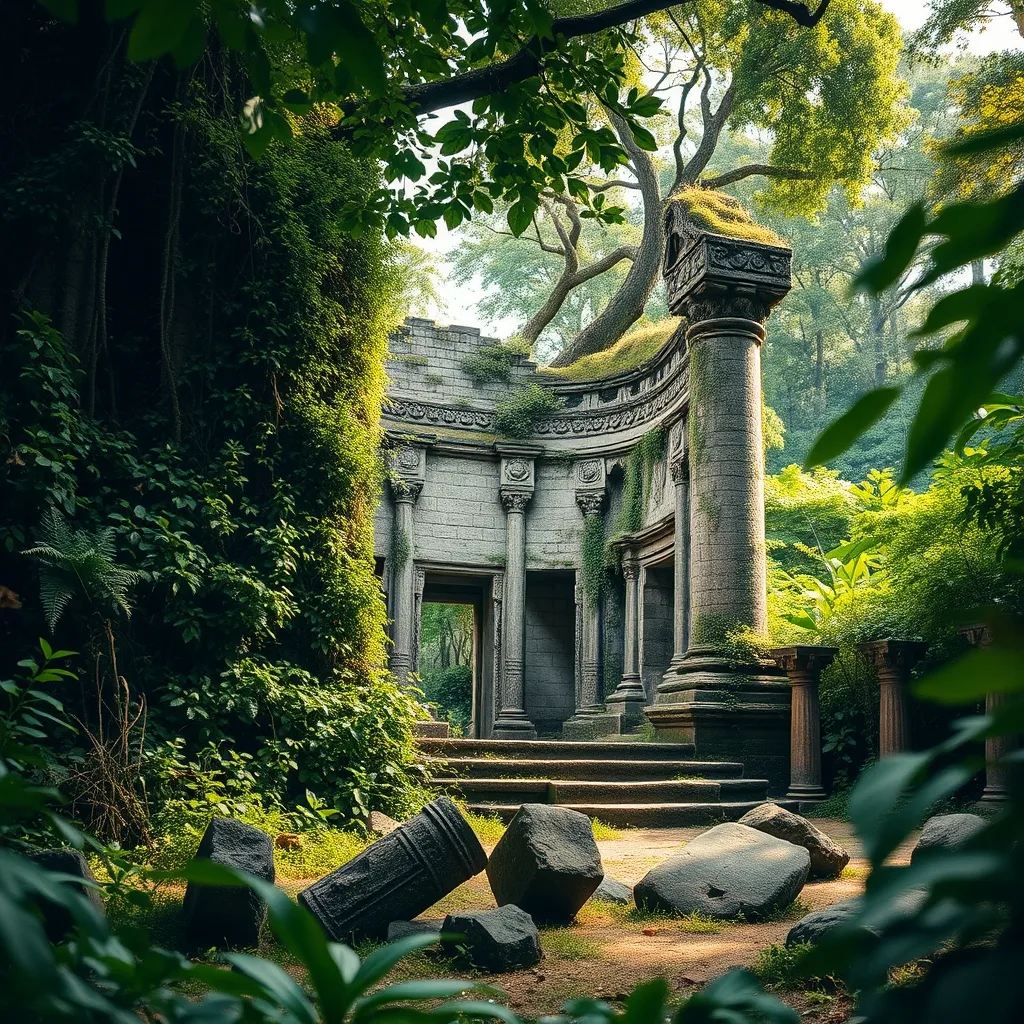
Visiting the ruins of these forgotten city-states is an exhilarating experience. As you walk through the jungle, the sounds of the modern world fade away, and you're transported back in time to a world of ancient rituals and ceremonies. The air is thick with the sounds of birds and insects, and the scent of exotic flowers fills your nostrils. As you explore the ruins, you can't help but feel a sense of awe and wonder at the sophistication and complexity of the Maya civilization. The intricate carvings and sculptures, the large pyramids and temples, all testify to a deep understanding of astronomy, mathematics, and architecture.
Despite the passage of time, the ruins of these forgotten city-states remain an important part of our cultural heritage. They remind us of the ingenuity and creativity of the human spirit, and the importance of preserving our cultural heritage for future generations. By studying these ruins, we can gain a deeper understanding of the Maya civilization and appreciate the richness and diversity of their culture. We can also learn valuable lessons about the importance of sustainability, environmental stewardship, and social responsibility, all of which were central to the Maya way of life.
Preserving the Cultural Heritage of the Maya
As we explore the ruins of these forgotten city-states, it's essential that we remember the importance of preserving our cultural heritage. The Maya civilization was a rich and vibrant culture, with a deep understanding of astronomy, mathematics, and architecture. By studying their ruins, we can gain a deeper appreciation of their culture and way of life, and learn valuable lessons about the importance of sustainability, environmental stewardship, and social responsibility. It's our responsibility to ensure that these ruins are protected and preserved for future generations, so that they can continue to inspire and educate us about the richness and diversity of human culture.
I explored a related angle in The Secret Archives of Marrakech if you want to keep pulling this thread.
In conclusion, the forgotten city-states of the Maya are a treasure trove of history and culture, waiting to be uncovered and explored. By studying these cities, we can gain a deeper understanding of the Maya civilization and appreciate the richness and diversity of their culture. We can also learn valuable lessons about the importance of preserving our cultural heritage, and the need to protect and preserve these ruins for future generations. Whether you're an archaeologist, historian, or simply someone who's fascinated by the Maya civilization, the forgotten city-states are a must-visit destination that will leave you in awe of the ingenuity and creativity of the human spirit.