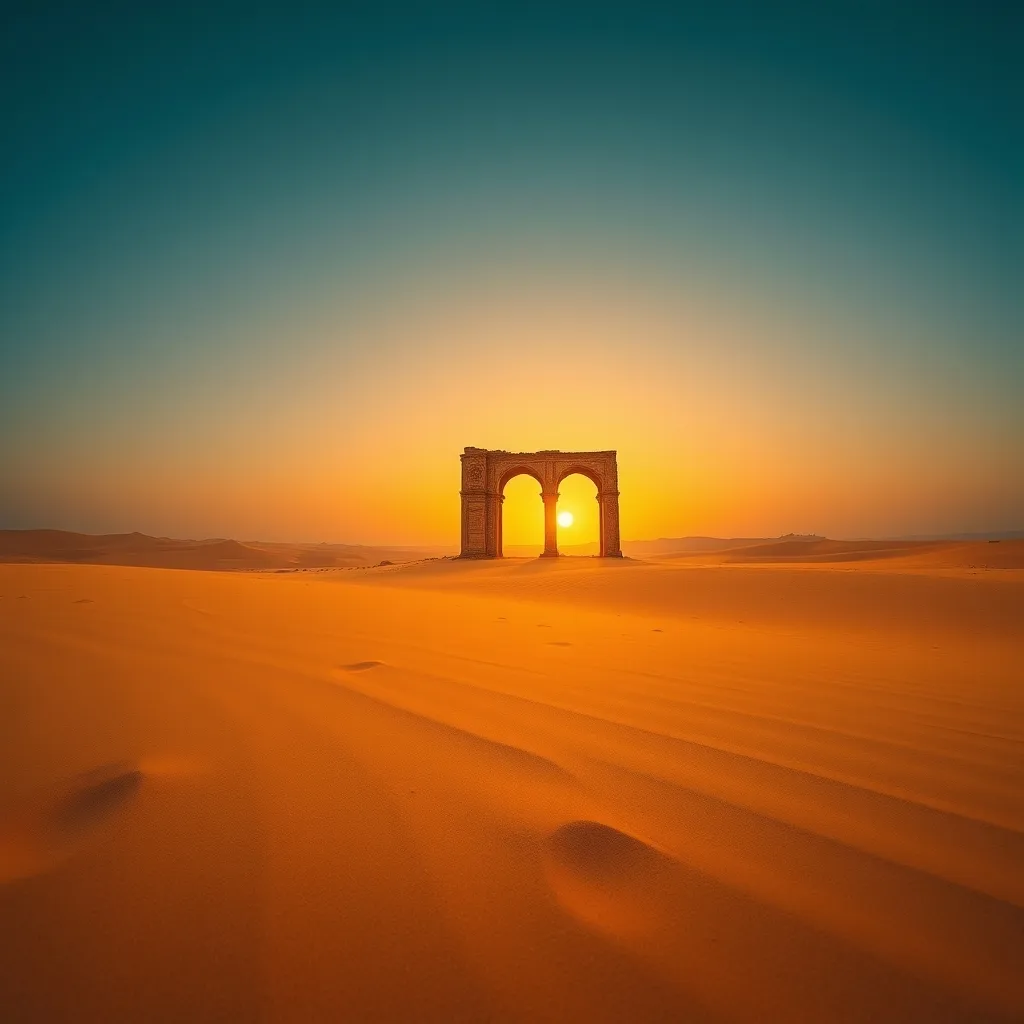
Forgotten Voices of the Sahara
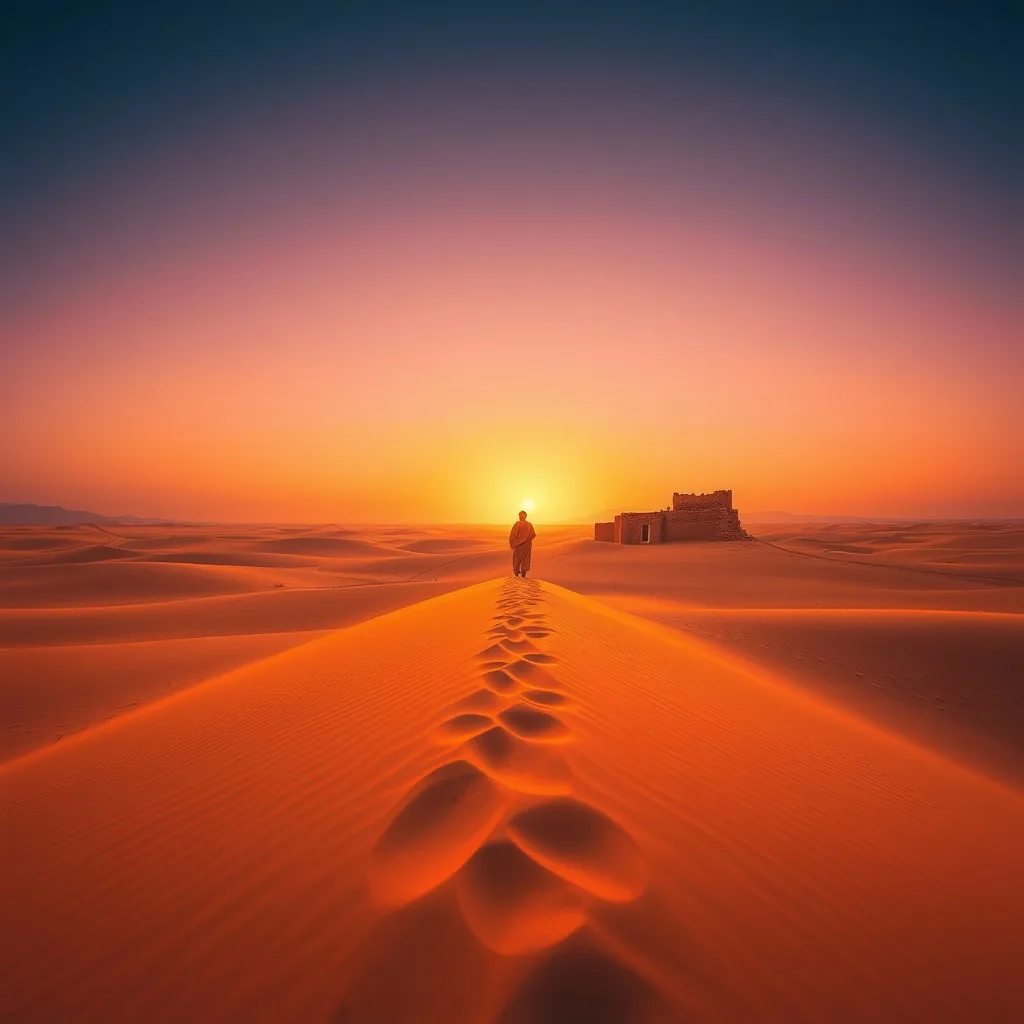
I've always been fascinated by the Sahara Desert, not just for its vast expanses of sand and rock, but for the rich cultural heritage that lies hidden beneath its surface. As I delved deeper into the history of this incredible region, I began to uncover the ancient stories of the people who once called the Sahara home. These are the forgotten voices of the Sahara, the men and women who lived, traded, and thrived in one of the harshest environments on Earth. Their stories are a testament to the ingenuity and resilience of the human spirit, and they deserve to be heard.
The Tuareg: Guardians of the Desert
The Tuareg are one of the most iconic and enigmatic groups to emerge from the Sahara. A nomadic people with a rich tradition of storytelling and music, they have long been the guardians of the desert and its secrets. With their distinctive blue robes and turbans, they roam the dunes and oases, carrying with them the history and culture of their ancestors. The Tuareg are a proud people, fiercely independent and deeply connected to the land and their traditions. They are the keepers of the ancient stories, passed down from generation to generation through song and oral tradition.
Despite their rich cultural heritage, the Tuareg have faced numerous challenges in recent years, from colonization and marginalization to climate change and displacement. Their way of life is under threat, and their stories are in danger of being lost forever. It is imperative that we listen to their voices, learn from their experiences, and work to preserve their cultural heritage for future generations. By doing so, we can gain a deeper understanding of the Sahara and its people, and appreciate the beauty and diversity of this incredible region.
The Ancient Trade Routes
The Sahara has long been a crossroads of trade and commerce, with ancient routes stretching across the desert like a vast network of veins. The trans-Saharan trade was a vital artery of commerce, linking the Mediterranean with sub-Saharan Africa and facilitating the exchange of goods, ideas, and cultures. From the salt mines of Taghaza to the gold fields of West Africa, the trade routes were a lifeline for the people of the Sahara, providing them with the goods and resources they needed to survive. The trade routes were also a conduit for the spread of ideas, with Islam, Christianity, and other religions and philosophies being carried across the desert by merchants and travelers.
As I explored the ancient trade routes, I was struck by the sheer scale and complexity of the network. From the mighty camel caravans that traversed the dunes to the small, family-run traders who operated in the oases, the trade routes were a testament to the ingenuity and adaptability of the people of the Sahara. They were a reminder that, even in the harshest of environments, human beings can thrive and prosper, given the right combination of skills, knowledge, and determination. The ancient trade routes are a forgotten voice of the Sahara, a reminder of the region's rich history and cultural heritage.
Uncovering the Forgotten Voices
Uncovering the forgotten voices of the Sahara is a challenging but rewarding task. It requires a deep understanding of the region's history and culture, as well as a willingness to listen to the stories and experiences of the people who live there. From the Tuareg to the trade routes, the Sahara is a region of incredible diversity and complexity, with a rich cultural heritage that deserves to be preserved and celebrated. By listening to the forgotten voices of the Sahara, we can gain a deeper understanding of this incredible region and its people, and appreciate the beauty and diversity of the desert and its inhabitants.
I explored a related angle in The Secret Archives of Marrakech if you want to keep pulling this thread.
As I reflect on my journey into the heart of the Sahara, I am reminded of the power of storytelling and the importance of preserving our cultural heritage. The forgotten voices of the Sahara are a testament to the ingenuity and resilience of the human spirit, and they deserve to be heard. By uncovering these voices and sharing their stories, we can work to preserve the cultural heritage of the Sahara and ensure that its rich history and traditions are not lost forever. The Sahara is a region of incredible beauty and diversity, and its forgotten voices are a reminder of the importance of preserving our cultural heritage for future generations.