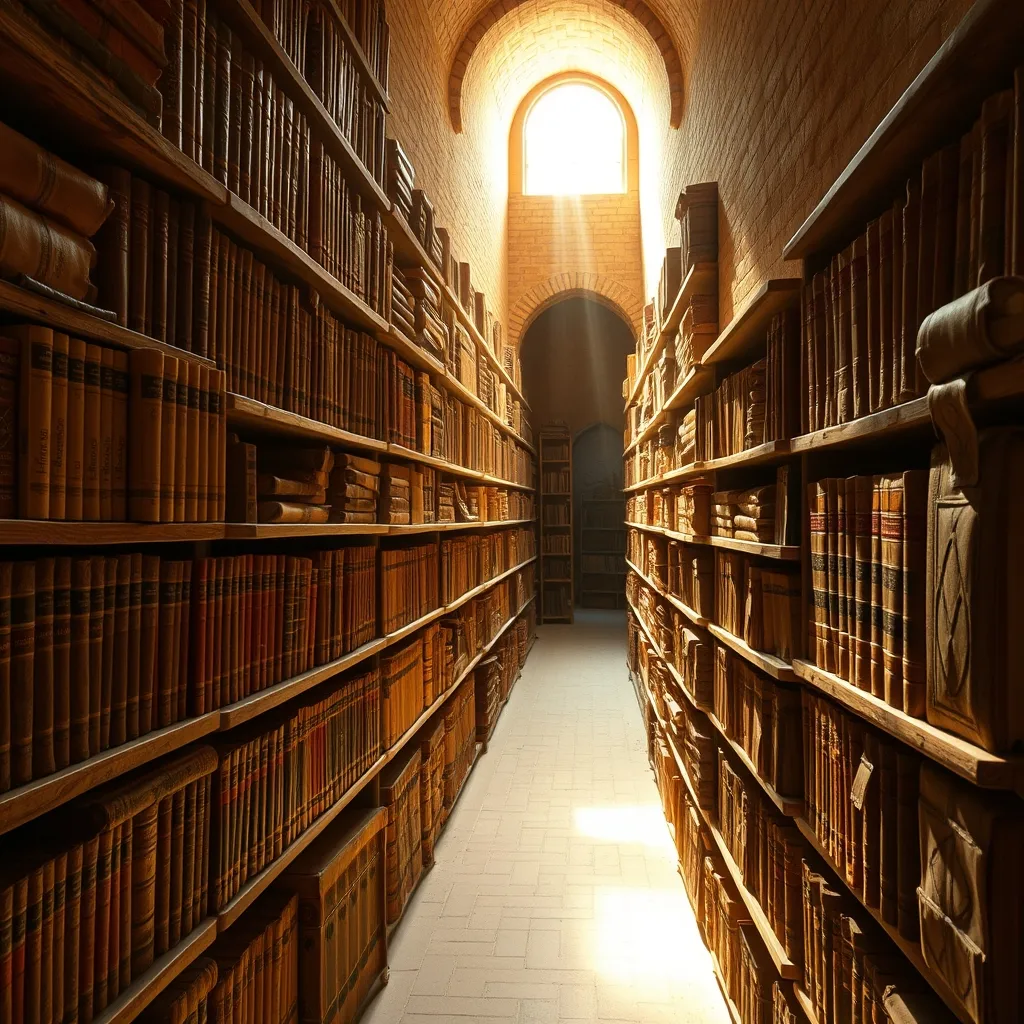
Ink Scribes and Parchment Kings
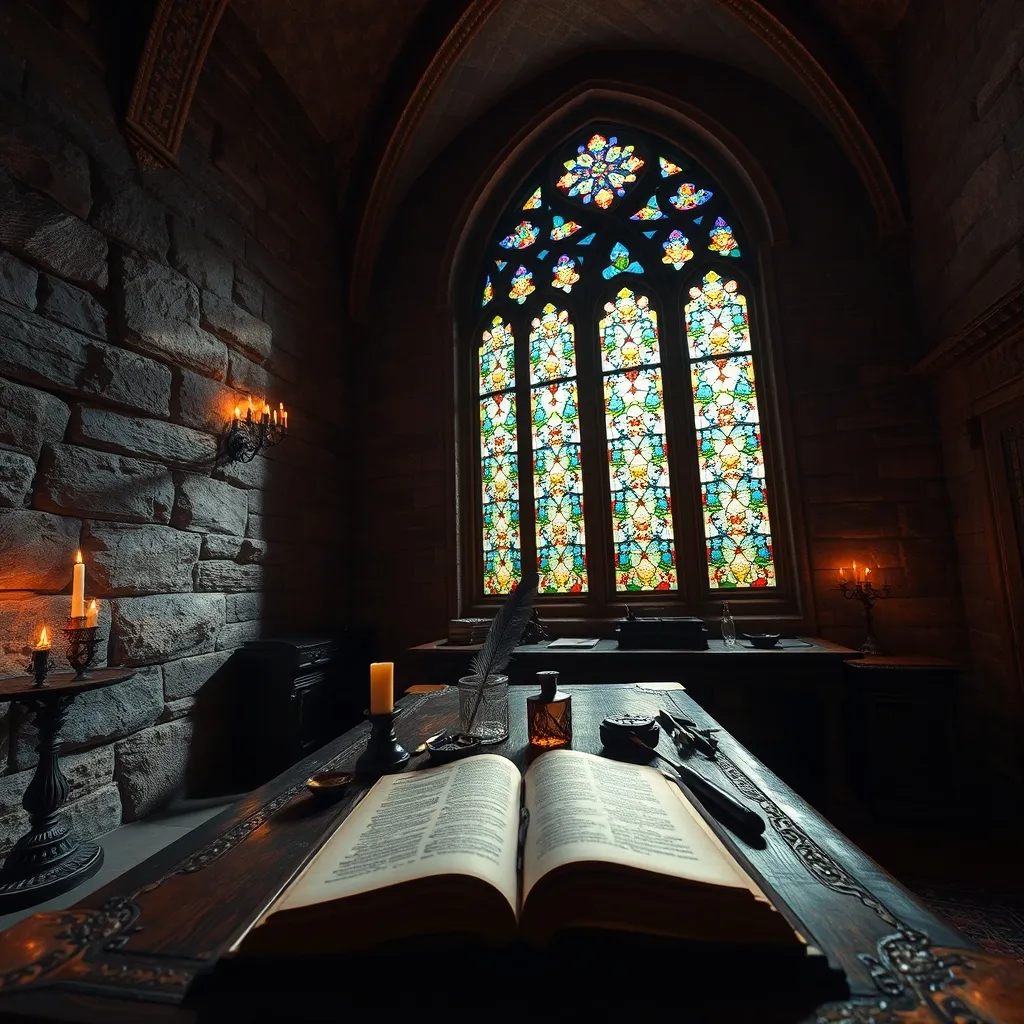
As we delve into the world of medieval writers, it's easy to get caught up in the grandeur of their works. The epic poems, the sweeping histories, and the intricate illuminated manuscripts all paint a picture of a bygone era that is both fascinating and intimidating. But behind the grand works of literature, there were real people, with real lives, struggles, and passions. The ink scribes and parchment kings of medieval Europe were not just faceless automatons, churning out page after page of text. They were artists, craftsmen, and storytellers, each with their own unique voice and perspective.
One of the most fascinating aspects of medieval writing is the physical process itself. Before the advent of the printing press, every book, every manuscript, and every letter had to be written by hand. This was a painstaking and labor-intensive process, requiring great skill and attention to detail. The ink scribes of medieval Europe were masters of their craft, able to produce beautiful, intricate scripts that are still admired today. From the elegant curves of Carolingian minuscule to the bold, expressive lines of Gothic textura, each script had its own unique character and charm.
The Art of Illumination
But medieval writing was not just about putting words on a page. It was also an art form, with intricate illustrations, elaborate borders, and ornate decorations. The parchment kings of medieval Europe were not just writers, but also artists, using their skills to create beautiful and intricate designs. From the delicate, lace-like patterns of Celtic knotwork to the bold, expressive images of medieval bestiaries, the art of illumination added a whole new level of depth and meaning to the written word. And it's not just the beauty of these illustrations that is striking – it's also the sheer amount of time and effort that went into creating them. Every image, every border, and every decoration had to be carefully planned and executed, often using expensive and hard-to-find materials like gold leaf and lapis lazuli.
Despite the beauty and craftsmanship of medieval writing, it's also important to remember the context in which it was produced. Medieval Europe was a time of great social and economic change, with the rise of cities, the growth of trade, and the decline of feudalism. The ink scribes and parchment kings of this era were not just isolated figures, working in solitude – they were also part of a wider cultural and intellectual landscape. They were influenced by the ideas and events of their time, and their writing reflects this. From the courtly love poems of the troubadours to the scathing social satire of writers like Geoffrey Chaucer, medieval writing is a window into the hopes, fears, and desires of a bygone era.
The Lives of Medieval Writers
So what do we know about the lives of these medieval writers? Unfortunately, the answer is not always a lot. Many medieval writers remain anonymous, their names lost to the passage of time. Others are known only through their works, with little or no biographical information available. But despite these limitations, we can still glean a few insights into the lives of medieval writers. For example, we know that many of them were members of the clergy, using their writing skills to produce sermons, prayers, and other devotional texts. We also know that others were associated with the royal court, producing works of poetry, music, and drama for the entertainment of the nobility.
One of the most famous medieval writers is, of course, Dante Alighieri, author of the Divine Comedy. Dante's life is relatively well-documented, and we know that he was born in Florence in 1265, and died in Ravenna in 1321. We also know that he was a member of the noble class, and that he was involved in the politics of his time. But despite his fame and influence, Dante's life was not without its challenges. He was exiled from Florence, and spent many years wandering from city to city, seeking patronage and support for his work. His writing reflects this, with its themes of love, loss, and redemption.
A Lasting Legacy
Today, the ink scribes and parchment kings of medieval Europe may be gone, but their legacy lives on. Their writing, their art, and their craftsmanship continue to inspire and delight us, offering a window into a bygone era that is both familiar and strange. As we look back on their lives and works, we are reminded of the power of writing to capture the human experience, in all its complexity and beauty. Whether we are reading the epic poems of medieval Europe, or simply admiring the beauty of an illuminated manuscript, we are connected to the past in a way that is both profound and meaningful. And as we continue to write, to create, and to express ourselves, we are part of a long tradition that stretches back centuries, to the ink scribes and parchment kings of medieval Europe.
I explored a related angle in Lost Cities, Hidden Histories if you want to keep pulling this thread.
In the end, the story of medieval writing is not just about the past – it's also about the present. It's about the ways in which we continue to be inspired by the art, literature, and culture of medieval Europe. It's about the ways in which we use writing to make sense of our world, to express ourselves, and to connect with others. And it's about the ways in which we can learn from the ink scribes and parchment kings of medieval Europe, using their example to inform and inspire our own creative pursuits. As we look to the future, we would do well to remember the lessons of the past, and to continue the tradition of beautiful, expressive, and meaningful writing that has been passed down to us.