Rhythms of Renaissance Florence
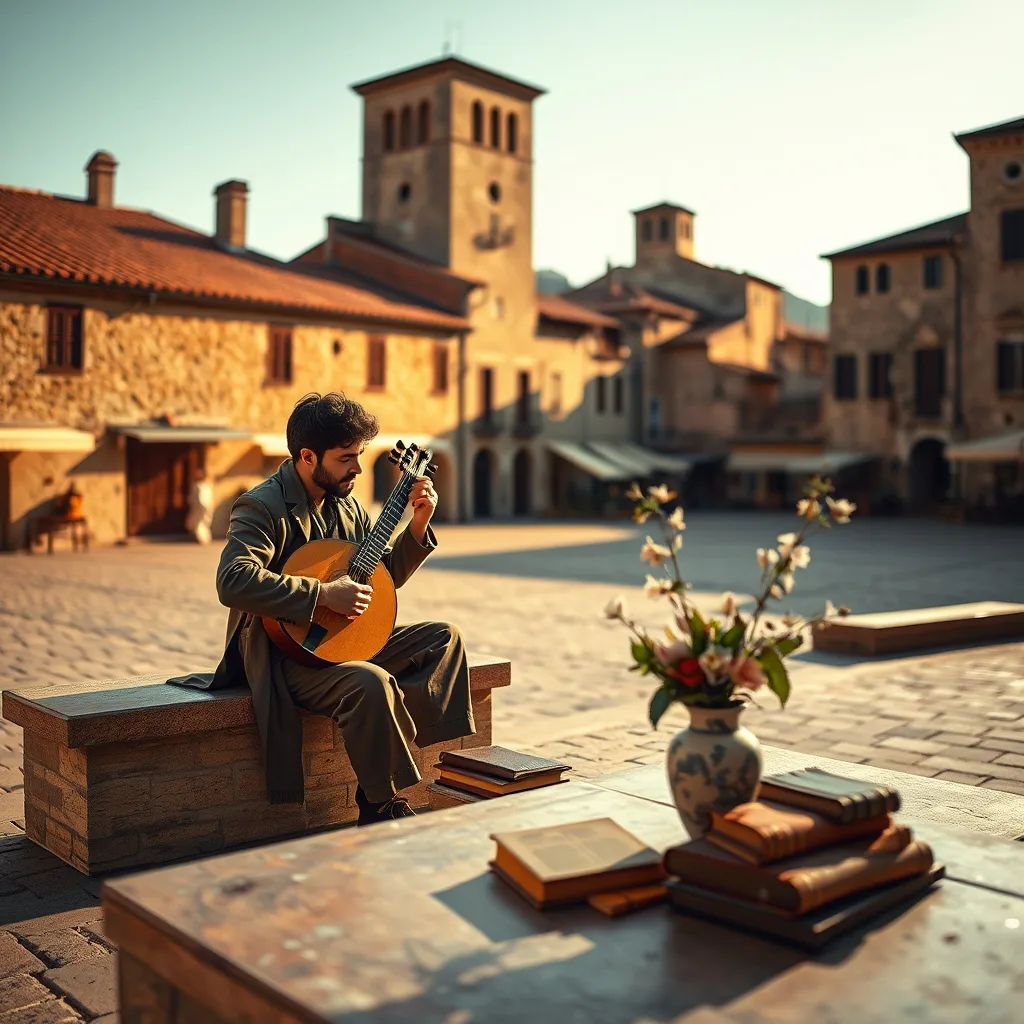
As I delve into the world of Renaissance Florence, I am struck by the intricate web of rhythms that underpinned the city's daily life. From the tolling of church bells to the lively chatter of merchants in the market square, every aspect of Florentine life seemed to be infused with a deep sense of harmony and musicality. The city's very fabric appeared to be woven from a rich tapestry of sounds, each one blending seamlessly into the next to create a unique and captivating symphony. In this blog post, I will explore the various rhythms that defined Renaissance Florence, and examine how they contributed to the city's vibrant cultural landscape.
The City's Sonic Landscape
The soundscape of Renaissance Florence was characterized by a diverse array of rhythms, each one reflecting a different aspect of the city's life and culture. The ringing of church bells, for example, marked the passage of time and provided a sense of structure and order to the day. The bells of the Duomo, with their distinctive tones and resonant peals, were a particularly iconic feature of the city's sonic landscape, and could be heard ringing out across the rooftops at regular intervals throughout the day. Meanwhile, the streets and market squares were filled with the lively sounds of merchants and traders, hawking their wares and engaging in lively banter with potential customers. The clanging of hammers on metal, the rumble of carts over cobblestone streets, and the murmur of conversation all blended together to create a vibrant and dynamic soundscape that was quintessentially Florentine.
In addition to these everyday sounds, the city was also home to a thriving musical culture, with numerous choirs, orchestras, and instrumental ensembles performing in churches, palaces, and public squares. The music of Renaissance Florence was characterized by its use of complex harmonies and intricate rhythms, and was often performed in conjunction with elaborate festivals and pageants. The city's rulers, the Medici family, were particularly renowned for their love of music and their patronage of the arts, and their court was a hub of musical activity, with composers and musicians from all over Europe coming to perform and seek patronage.
The Rhythms of Work and Leisure
But the rhythms of Renaissance Florence were not just limited to the world of music and sound. The city's daily life was also governed by a complex array of rhythms, each one reflecting a different aspect of work and leisure. The working day, for example, was typically divided into two main periods, with a long break in the middle of the day for rest and recreation. This allowed workers to rest and recharge, and also provided an opportunity for socializing and leisure activities, such as playing games, telling stories, or simply enjoying the company of friends and family. The city's numerous festivals and holidays also played an important role in shaping the rhythms of daily life, with elaborate processions, feasts, and celebrations taking place throughout the year. These events were often carefully choreographed to maximize their impact, with intricate rhythms and harmonies woven into the very fabric of the celebrations themselves.
The rhythms of work and leisure were also closely tied to the city's economic and social structures. The guilds, for example, played a crucial role in regulating the rhythms of work, with each guild having its own unique traditions and practices. The wool guild, for instance, was known for its highly organized and rhythmic approach to production, with workers laboring in carefully coordinated teams to produce the finest woolen cloth in Europe. Meanwhile, the city's aristocracy and upper classes enjoyed a more leisurely pace of life, with ample time for pursuits such as hunting, hawking, and other forms of entertainment. Their rhythms were often governed by the demands of courtly life, with elaborate rituals and ceremonies taking place on a regular basis.
Conclusion: The Enduring Legacy of Renaissance Florence
Today, as we look back on the Renaissance Florence, it is clear that the city's rhythms continue to exert a profound influence on our modern world. The music, art, and literature of the period remain hugely popular, and the city's sonic landscape continues to inspire and captivate visitors from around the globe. But the rhythms of Renaissance Florence are more than just a relic of the past – they also offer a powerful reminder of the importance of harmony, balance, and beauty in our daily lives. As we navigate the complexities and challenges of the modern world, we would do well to recall the rhythms of Renaissance Florence, and to seek inspiration in the city's timeless and captivating symphony. By embracing the rhythms of the past, we can create a more vibrant, more beautiful, and more harmonious world – one that is worthy of the city's rich cultural heritage.
I explored a related angle in The Secret Archives of Marrakech if you want to keep pulling this thread.
In the end, the rhythms of Renaissance Florence remind us that life is not just a series of discrete events, but a complex and interconnected web of sounds, sights, and experiences. By tuning into these rhythms, we can gain a deeper appreciation for the city's history and culture, and cultivate a more nuanced and empathetic understanding of the people who lived and worked there. As we continue to explore and learn from the rhythms of Renaissance Florence, we may just discover that the city's hidden harmonies have the power to transform and enrich our lives in ways we never thought possible.