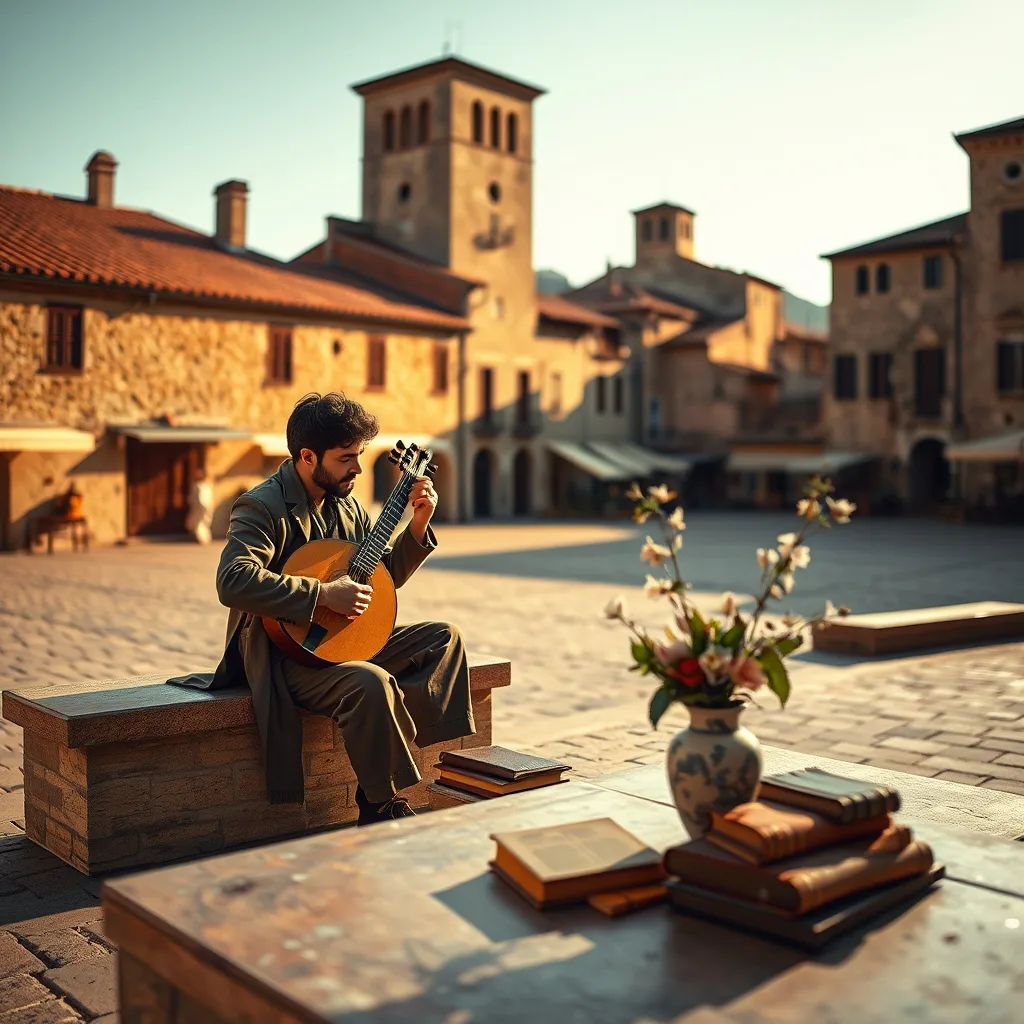
Rhythms of Rio: Samba's Enduring Legacy
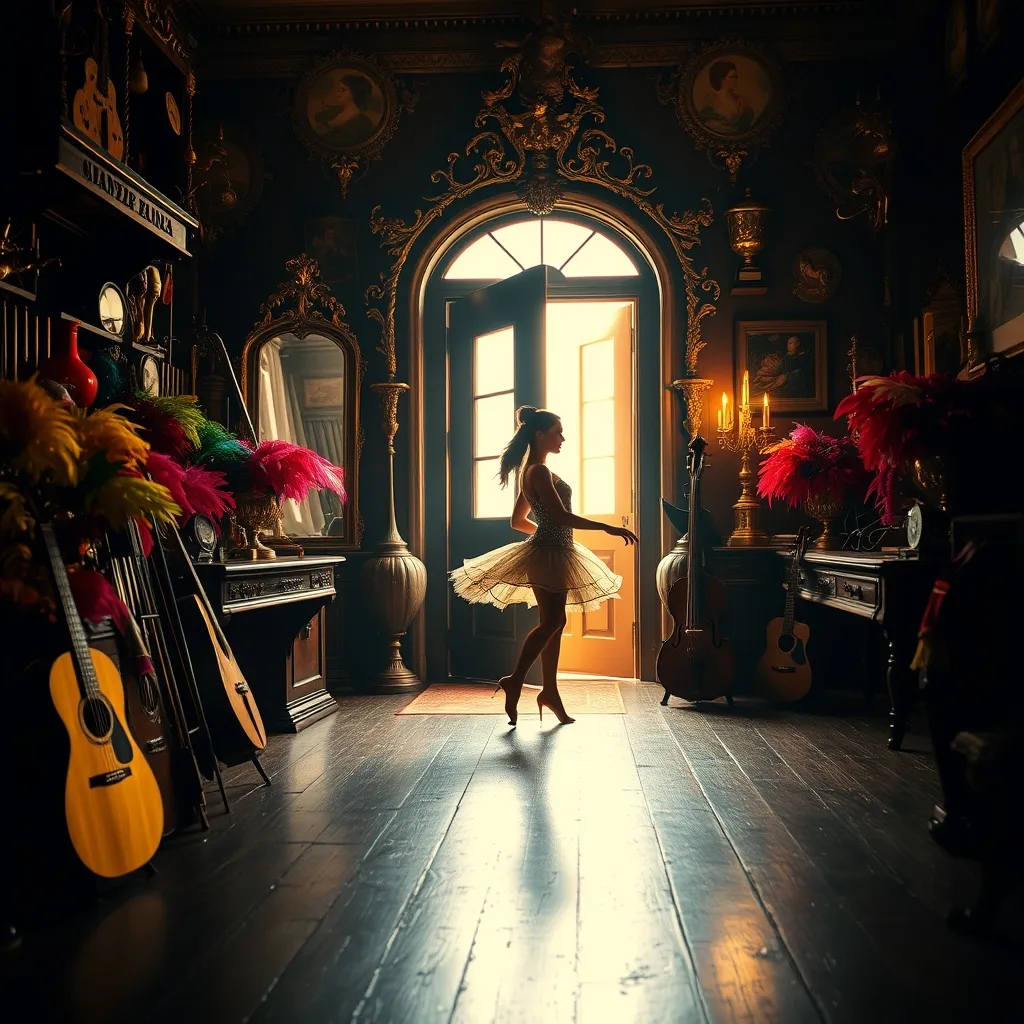
As I delve into the rhythms of Rio, I find myself uncovering the roots of samba, a genre that has become synonymous with Brazilian culture. Samba's origins date back to the late 19th century, when African slaves brought their musical traditions to Brazil. These slaves, primarily from West and Central Africa, infused their music with the rhythms and melodies of their homeland, creating a unique sound that would eventually evolve into samba. The genre's early days were marked by persecution and marginalization, as the Brazilian elite viewed samba as a primitive and inferior form of music. However, this only served to strengthen the bonds among samba's practitioners, who found solace and community in their music.
The Birth of Samba
In the early 20th century, samba began to take shape as a distinct genre, with the establishment of the first samba schools in Rio's favelas. These schools, which were essentially community centers where people could gather to play music, dance, and socialize, played a crucial role in the development of samba. They provided a platform for musicians to experiment with new rhythms and styles, and for dancers to showcase their skills. The most famous of these schools, the GRES Estação Primeira de Mangueira, is still active today, and its annual Carnival performances are a testament to the enduring legacy of samba. As I explore the history of samba, I am struck by the genre's ability to bring people together, to create a sense of community and belonging that transcends social and economic boundaries.
Samba's popularity soared in the 1930s, with the rise of radio and recording technology. Suddenly, samba music was being broadcast to a wider audience, and its popularity spread beyond the favelas to the middle and upper classes. This exposure helped to legitimize samba as a respectable form of music, and it paved the way for the genre's international recognition. However, this newfound popularity also brought its own set of challenges, as samba's authenticity and cultural significance were threatened by commercialization and exploitation. As I reflect on the history of samba, I am reminded of the complex and often fraught relationship between cultural expression and commercial success.
Samba and Identity
Samba has long been a source of pride and identity for Brazilians, particularly those from the Afro-Brazilian community. The genre's rhythms and melodies are deeply rooted in African traditions, and its lyrics often reflect the struggles and triumphs of Brazil's black population. Samba has also played a significant role in the country's social and political movements, with many samba songs serving as anthems for social justice and equality. As I explore the connection between samba and identity, I am struck by the genre's ability to express the complexities and nuances of Brazilian culture. Samba is more than just a style of music – it is a way of life, a reflection of the country's history, culture, and values.
Today, samba continues to thrive in Rio and beyond, with its influence evident in a wide range of musical genres, from bossa nova to hip-hop. The genre's enduring legacy is a testament to the power of music to bring people together, to create a sense of community and belonging that transcends borders and boundaries. As I conclude my exploration of samba's roots, I am left with a deep appreciation for the genre's richness and diversity, and a sense of wonder at its ability to evoke the spirit of Rio and its people. Whether you are a seasoned samba enthusiast or just discovering the genre, the rhythms of Rio are sure to captivate and inspire, offering a glimpse into the vibrant cultural landscape of Brazil.
A Lasting Legacy
As I reflect on the lasting legacy of samba, I am reminded of the genre's ability to adapt and evolve, to incorporate new influences and styles while remaining true to its roots. Samba's impact can be seen in the many musicians and artists who have been inspired by its rhythms and melodies, from legendary Brazilian musicians like Antonio Carlos Jobim and Elis Regina to international artists like Paul Simon and David Byrne. The genre's influence extends beyond music, too, with samba's energy and enthusiasm evident in the vibrant street parties and festivals that take place throughout Rio during Carnival. As I look to the future, I am excited to see how samba will continue to evolve and thrive, inspiring new generations of musicians, dancers, and fans around the world.
I explored a related angle in The Secret Archives of Marrakech if you want to keep pulling this thread.
In the end, the rhythms of Rio are a reminder of the power of music to bring people together, to create a sense of community and belonging that transcends borders and boundaries. Samba's enduring legacy is a testament to the genre's ability to evoke the spirit of Rio and its people, to capture the essence of Brazilian culture and identity. As I conclude my journey into the world of samba, I am left with a deep appreciation for the genre's richness and diversity, and a sense of wonder at its ability to inspire and captivate audiences around the world. Whether you are a seasoned samba enthusiast or just discovering the genre, the rhythms of Rio are sure to leave a lasting impression, a reminder of the beauty and magic of Brazilian culture.