Rhythms of Rio: The Birthplace of Samba
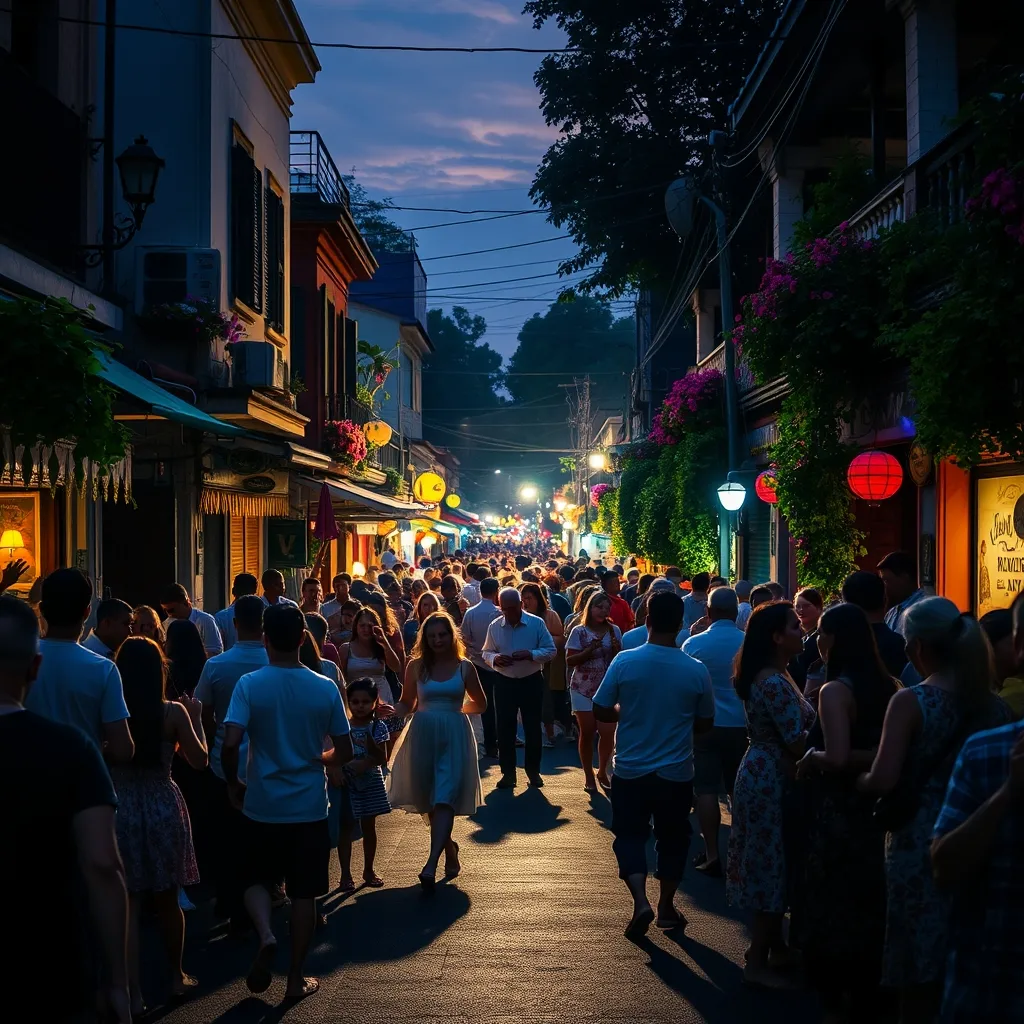
I still remember the first time I heard the sounds of samba music drifting through the streets of Rio de Janeiro. The rhythmic beats and melodic harmonies were infectious, drawing me in and refusing to let go. As I delved deeper into the history of this iconic Brazilian music, I discovered a rich cultural heritage that spans centuries. Samba, it turns out, is more than just a style of music - it's a way of life, deeply rooted in the traditions and customs of Rio's vibrant communities.
The origins of samba music can be traced back to the African slaves who were brought to Brazil by Portuguese colonizers in the 18th and 19th centuries. These slaves, primarily from West and Central Africa, brought with them their own unique musical traditions, including rhythmic patterns and instrumental styles. Over time, these African influences blended with European and indigenous Brazilian music, giving birth to a distinct new sound - samba. The word "samba" itself is derived from the Kimbundu language, spoken in Angola, and means "to invite" or "to call," reflecting the music's role in bringing people together.
The Evolution of Samba
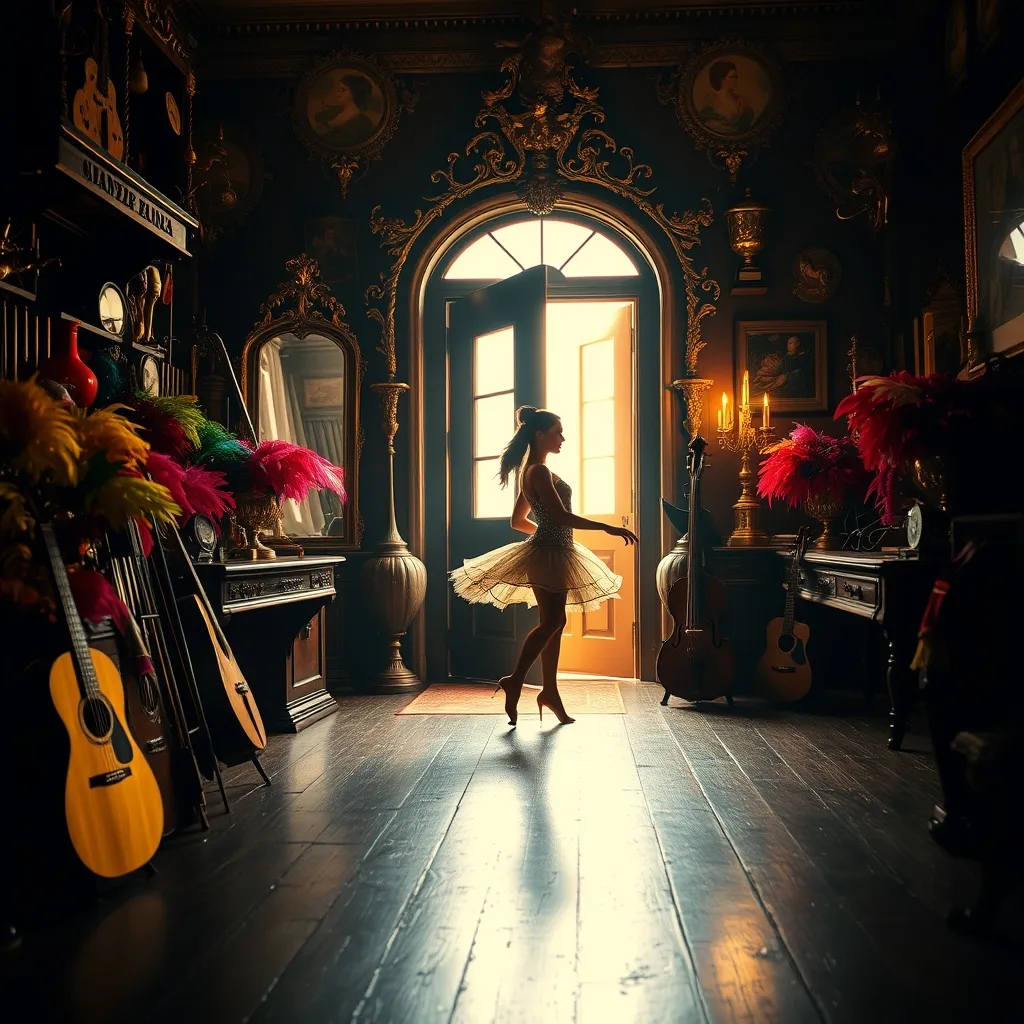
As samba music evolved, it became closely tied to the cultural and social practices of Rio's Afro-Brazilian communities. The music was often played during rituals and ceremonies, such as the Candomblé ceremonies, which honored African deities and ancestors. Samba was also closely associated with the city's Carnival celebrations, which date back to the 18th century. During Carnival, samba schools - social clubs that promoted music, dance, and community - would compete with each other, showcasing their elaborate costumes, choreographed dances, and infectious rhythms.
One of the key factors that contributed to samba's widespread popularity was the rise of radio broadcasting in the early 20th century. Samba music was broadcast on radio stations across Brazil, introducing the genre to a wider audience and helping to standardize its sound. The 1930s and 1940s are often referred to as the "Golden Age" of samba, with legendary musicians like Carmen Miranda and Ary Barroso popularizing the genre through their recordings and live performances.
Samba and Social Change
Samba music has long been a powerful tool for social commentary and change in Brazil. During the 1960s and 1970s, samba musicians played a key role in the country's struggle for democracy and social justice. Many samba songs addressed issues like poverty, inequality, and racism, giving voice to the concerns and aspirations of marginalized communities. The music also provided a platform for social critique, with many samba musicians using their lyrics to challenge the status quo and advocate for reform.
Today, samba music continues to play a vital role in Rio's cultural landscape. The city's samba schools remain a vibrant and dynamic part of the community, with thousands of participants and spectators gathering each year for Carnival celebrations. Samba has also influenced a wide range of other musical genres, from bossa nova to tropicalia, and its rhythms and melodies can be heard in music from around the world.
Preserving the Legacy of Samba
As I reflect on the rich history and cultural significance of samba music, I am reminded of the importance of preserving this legacy for future generations. Efforts are underway to document and archive samba's history, including the establishment of museums, cultural centers, and educational programs. These initiatives not only help to promote a deeper understanding of samba's roots and evolution but also provide a platform for emerging musicians to learn from and build upon the traditions of their predecessors.
I explored a related angle in The Secret Archives of Marrakech if you want to keep pulling this thread.
For those who have never experienced the vibrant rhythms and melodies of samba music, I encourage you to explore this incredible genre. Whether through attending a live performance, listening to recordings, or learning about the history and culture of samba, I am confident that you will be drawn into the infectious world of Brazilian music and dance. As I look back on my own journey of discovery, I am grateful for the opportunity to have uncovered the vibrant roots of samba, and I hope that this story will inspire others to do the same.