The Spice Route Revival
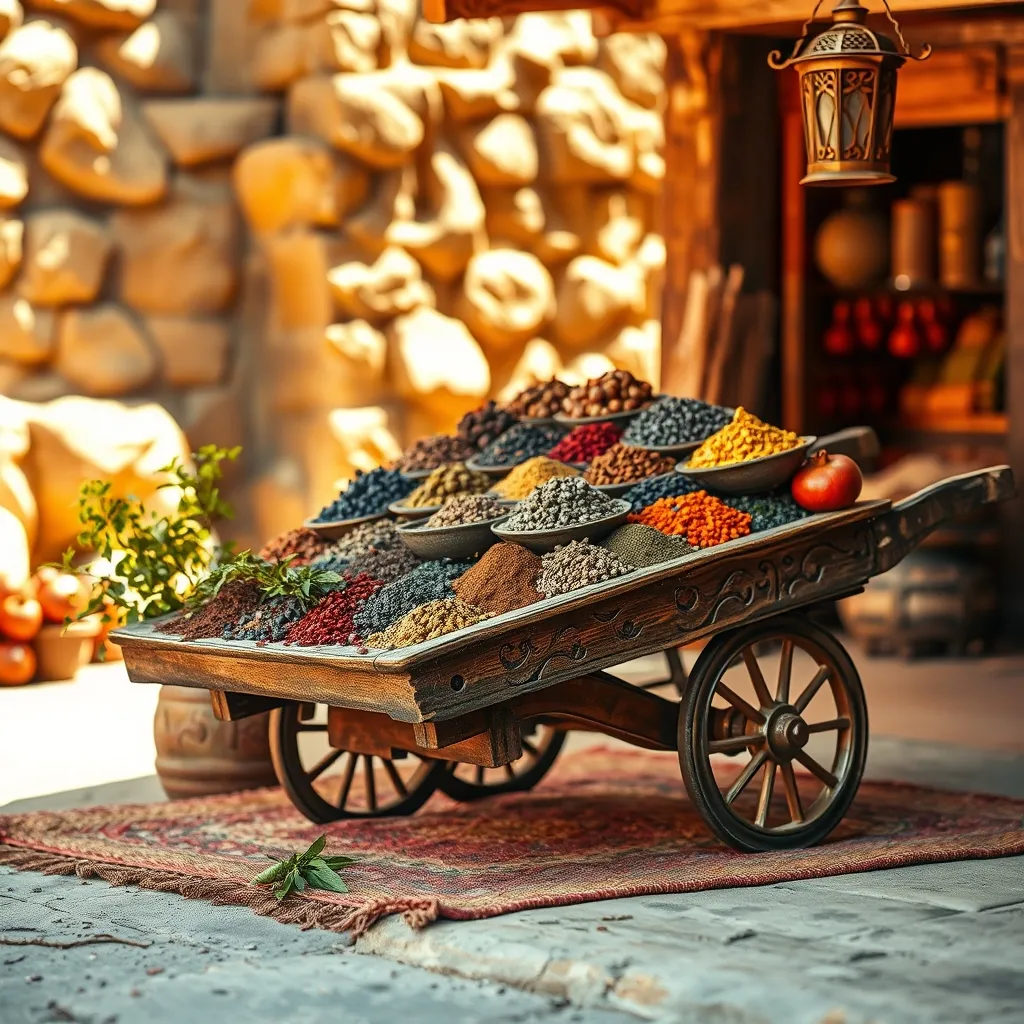
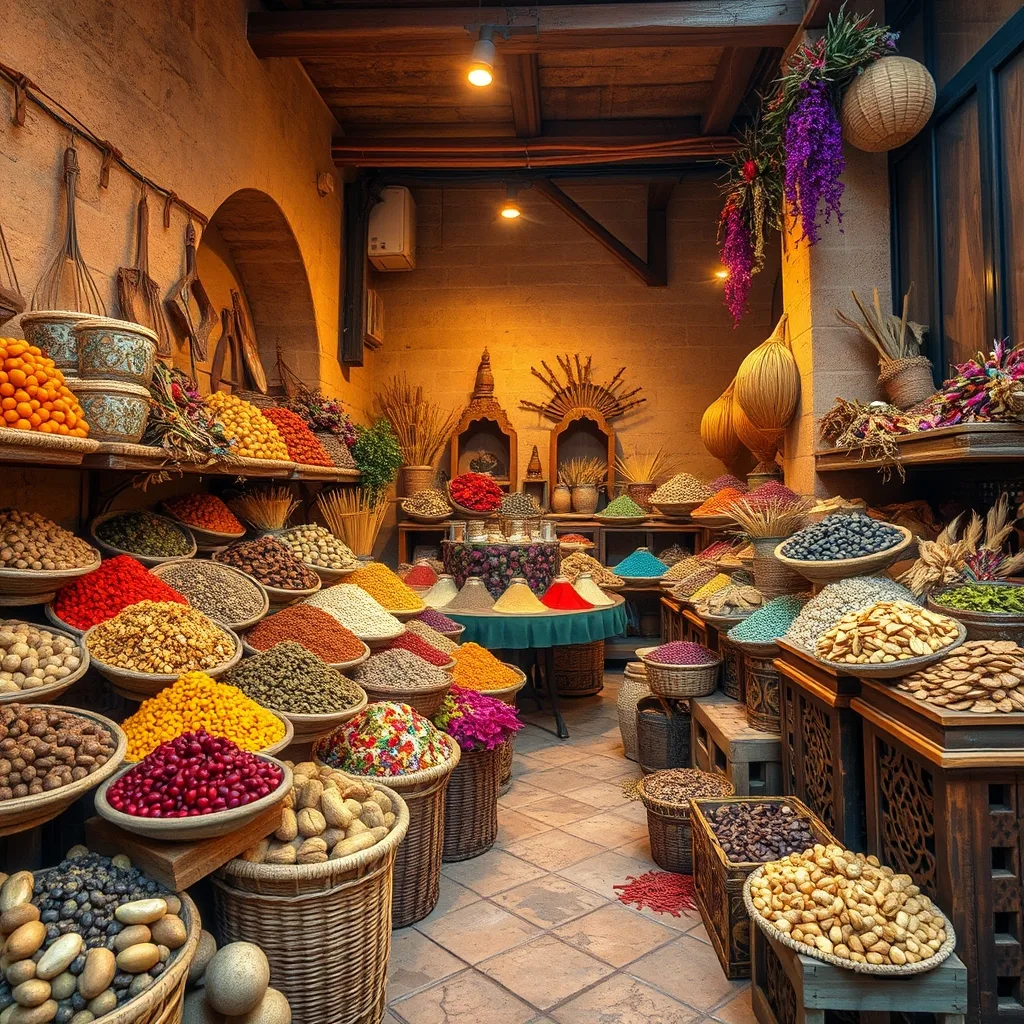
I still remember the first time I walked into a spice market in India - the aromas, the colors, the cacophony of sounds. It was like a symphony of sensations that left me breathless and wanting more. As I delved deeper into the world of spices, I realized that these tiny packets of flavor had the power to transport me to different parts of the world, to evoke emotions and memories, and to bring people together like nothing else could. The spice route, which once connected the East and the West, has been a conduit for cultural exchange, trade, and culinary innovation for centuries. And yet, in recent years, it seems to have lost some of its allure, its magic relegated to the dusty pages of history books. But I believe it's time for a revival, a rediscovery of the flavors and traditions that once made the spice route so vibrant and exciting.
The Forgotten Flavors of the Past
As I traveled along the spice route, I encountered a plethora of spices and ingredients that were once staples of international trade, but have now been reduced to mere footnotes in cookbooks. Sumac, ras el hanout, and urfa pepper, for example, were once prized for their unique flavors and aromas, but are now largely forgotten in favor of more mundane seasonings. The same can be said for traditional cooking techniques, such as the use of clay ovens and wood-fired stoves, which imparted a depth and richness to dishes that is hard to replicate with modern appliances. But I believe that by revisiting these forgotten flavors and techniques, we can not only revive the spice route, but also create a new generation of cuisine that is both rooted in tradition and innovative in its approach.
One of the most significant challenges in reviving the spice route is the lack of availability of traditional spices and ingredients. Many of these spices are still grown and harvested using traditional methods, but they are often difficult to find in modern markets. However, with the rise of online shopping and specialty food stores, it's becoming easier to access these ingredients and experiment with new flavors and recipes. Additionally, many chefs and food enthusiasts are now working to preserve traditional cooking techniques and methods, and to adapt them to modern tastes and preferences. By supporting these efforts and seeking out traditional spices and ingredients, we can help to revive the spice route and ensure its continued relevance in the modern culinary landscape.
Culinary Innovation and Exchange
The spice route was never just about trade and commerce; it was also about cultural exchange and culinary innovation. As spices and ingredients traveled from one region to another, they were adapted and transformed into new dishes and flavors, reflecting the unique tastes and traditions of each culture. This process of exchange and innovation is still happening today, as chefs and food enthusiasts from around the world draw on traditional spices and ingredients to create new and exciting flavors. From the fusion of Indian and Middle Eastern cuisine in the Gulf states, to the adaptation of African spices in Brazilian cooking, the spice route continues to be a source of inspiration and creativity in the culinary world.
But the spice route is not just about food; it's also about people and culture. It's about the merchants and traders who risked everything to bring exotic spices and ingredients to new markets, and the chefs and cooks who experimented with these new flavors to create something truly innovative. It's about the cultural exchange and understanding that occurred as people from different backgrounds came together to share meals and stories. By reviving the spice route, we can not only rediscover new flavors and ingredients, but also reconnect with the people and cultures that made this culinary tradition so rich and vibrant.
A New Era of Culinary Exploration
So what does the future hold for the spice route? I believe that we are on the cusp of a new era of culinary exploration, one that combines traditional spices and ingredients with modern techniques and flavors. As we continue to explore the flavors and traditions of the spice route, we will discover new ingredients, new cooking methods, and new flavors that will inspire and delight us. We will see a new generation of chefs and food enthusiasts who are passionate about preserving traditional cuisine, while also innovating and adapting it to modern tastes and preferences. And we will experience a renewed sense of connection and community, as people from different backgrounds come together to share meals and stories, and to celebrate the rich culinary heritage of the spice route.
I explored a related angle in Savoring Umami if you want to keep pulling this thread.
For me, the spice route revival is not just about food; it's about a way of life. It's about slowing down, appreciating the simple things, and connecting with the people and cultures that make our world so rich and diverse. It's about rediscovering the flavors and traditions that once made the spice route so vibrant and exciting, and using them to create a new generation of cuisine that is both rooted in the past and innovative in its approach. So let's embark on this journey of culinary discovery, and see where the spice route takes us. Let's rediscover the flavors, the traditions, and the people that make this culinary tradition so unique and special. And let's create a new era of culinary exploration, one that combines the best of the past with the excitement and innovation of the present.