The Forgotten Artisans of Kyoto
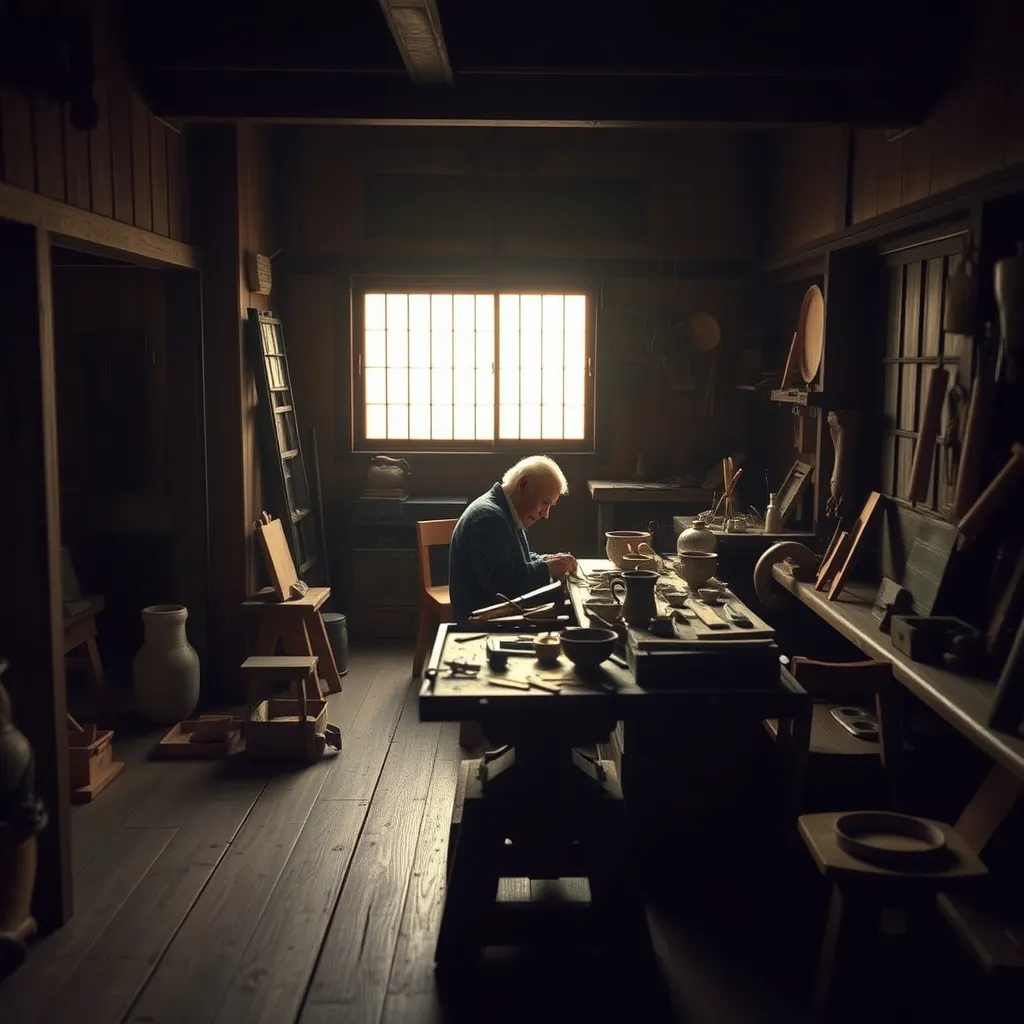
I still remember the first time I stumbled upon a small, unassuming workshop in Kyoto's Gion district. The sign above the door read "Kiyomizu-yaki," and the smell of clay and glaze wafted out into the street, enticing passersby to come and explore. As I stepped inside, I was struck by the sheer beauty of the ceramics on display - delicate tea bowls, intricately painted vases, and ornate sake cups that seemed to glow with an inner light. The artisan behind the counter, a gentle-eyed woman with hands stained with clay, greeted me with a warm smile and began to explain the history and technique behind each piece.
As I listened, entranced, I realized that this small workshop was just one of many hidden gems scattered throughout Kyoto, each one a testament to the city's rich cultural heritage and its long tradition of craftsmanship. From the woodblock printers of the Ukiyo-e school to the master weavers of the Nishijin district, Kyoto has long been a hub of artistic innovation and excellence. And yet, despite the city's reputation as a center of Japanese culture, many of these artisans and their crafts remain largely unknown to outsiders, hidden away in narrow alleys and side streets that few tourists ever venture into.
The Legacy of Traditional Crafts
One of the most striking things about Kyoto's artisans is their dedication to traditional techniques and methods. In an era of mass production and digital fabrication, it's refreshing to see craftsmen and women who still value the slow, painstaking process of creating something by hand. Whether it's the delicate art of lacquerware, the intricate patterns of kimono weaving, or the simple, elegant lines of Japanese architecture, each craft has its own unique history and cultural significance. By preserving these traditions, Kyoto's artisans are not only creating beautiful objects, but also helping to keep the city's cultural heritage alive.
Of course, this dedication to tradition also means that many of these crafts are in danger of disappearing. As younger generations increasingly turn to more modern and lucrative pursuits, the number of skilled artisans is dwindling, and many workshops are struggling to stay afloat. It's a sad irony that, in a city where tradition and innovation are often seen as mutually exclusive, the very things that make Kyoto so unique and special are also the things that are most at risk of being lost.
Rediscovering the Artisans of Kyoto
Despite these challenges, there are still many ways to experience and appreciate the traditional crafts of Kyoto. One of the best ways is to visit the city's many museums and cultural centers, which offer a wealth of information and exhibits on everything from ceramics and textiles to woodblock printing and metalwork. Many of these museums also offer workshops and classes, where visitors can learn the basics of a particular craft and even try their hand at creating something themselves. For those who want to delve deeper, there are also many guided tours and walking tours available, which can provide a more in-depth look at the city's artisanal communities and the people who make them thrive.
As I continued to explore the city, I began to notice the many small, often-overlooked details that reveal the presence of these artisans - the beautifully crafted wooden signs that hang above shop doors, the intricate stone carvings that adorn temple walls, and the delicate patterns of woven silk that adorn the kimonos of geisha and maiko. Each of these details is a testament to the skill and craftsmanship of Kyoto's artisans, and a reminder that, even in a city that is increasingly modern and fast-paced, there is still a deep appreciation for the beauty and value of traditional craftsmanship.
Preserving a Cultural Heritage
As I reflect on my experiences in Kyoto, I am struck by the importance of preserving the city's cultural heritage, and the role that artisans play in keeping this heritage alive. In a world that is increasingly globalized and homogeneous, it's more important than ever to cherish and celebrate the unique traditions and customs that make each place special. By supporting Kyoto's artisans and their crafts, we are not only helping to preserve a vital part of the city's cultural identity, but also ensuring that future generations will be able to experience and appreciate the beauty and elegance of traditional Japanese craftsmanship.
I explored a related angle in Unseen Threads of Heritage if you want to keep pulling this thread.
For me, the memory of that small workshop in Gion will always be a reminder of the beauty and wonder of Kyoto's hidden craftsmanship. As I look back on my time in the city, I am grateful for the opportunity to have experienced the skill and dedication of its artisans, and I hope that others will be inspired to seek out and appreciate these often-overlooked masters of their craft. By doing so, we can help to ensure that the traditional crafts of Kyoto continue to thrive, and that the city remains a vibrant and dynamic center of Japanese culture and creativity.