The Lasting Legacy of Kyoto
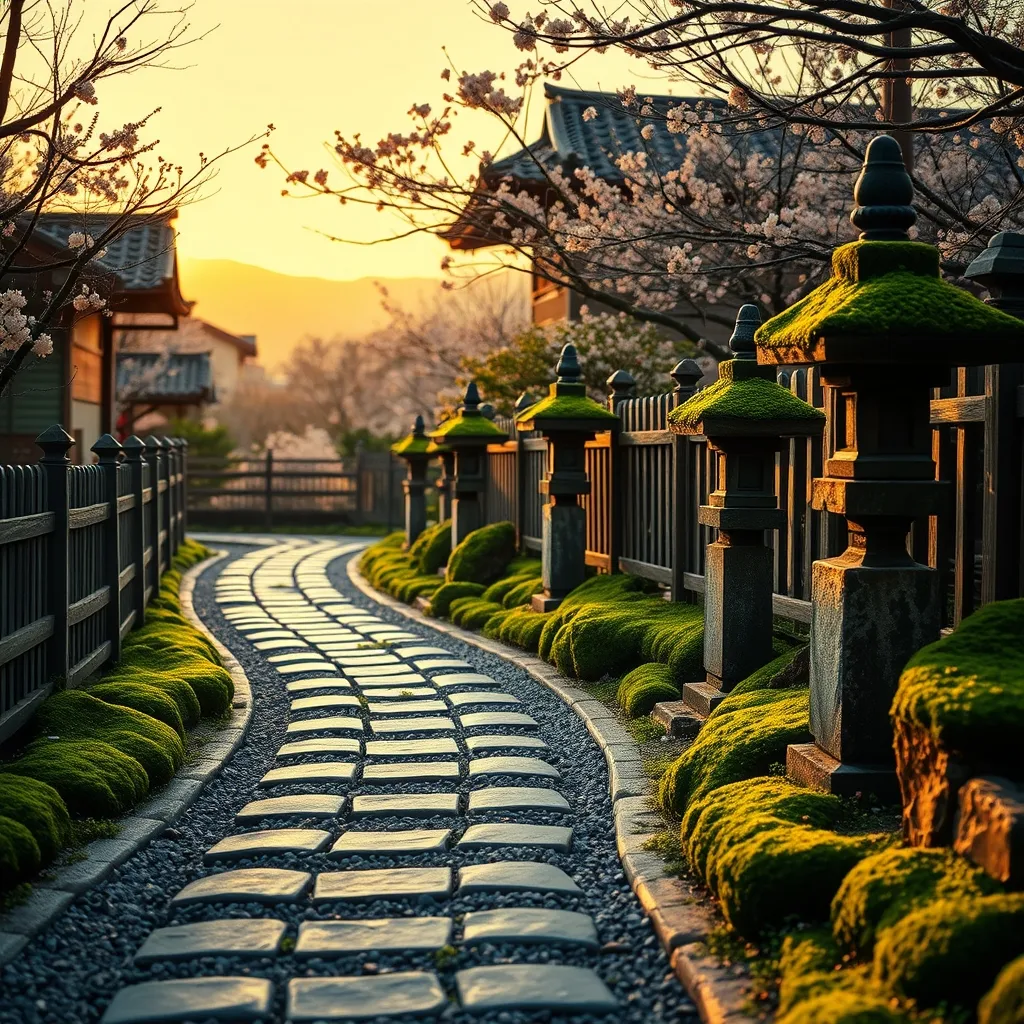
I still remember the first time I stepped foot in Kyoto, Japan's cultural gem. The city's rich history and vibrant culture left an indelible mark on my soul. As I wandered through the streets, I felt like I was walking through a living, breathing museum, with each temple, garden, and shrine telling a story of its own. From the iconic Kinkaku-ji Temple, with its dazzling golden facade, to the serene Arashiyama Bamboo Grove, Kyoto is a city that seamlessly blends tradition with modernity. In this blog post, I'll delve into the lasting legacy of Kyoto, exploring its history, cultural significance, and what makes it a must-visit destination for anyone interested in Japanese culture.
A City Steeped in History
Kyoto's history dates back over 1,200 years, with the city serving as Japan's capital from 794 to 1868. During this time, Kyoto was the epicenter of Japanese politics, culture, and religion, with the emperor and the imperial court residing in the city. The city's strategic location, nestled in the Kansai region, made it an important hub for trade and commerce, attracting merchants and artisans from all over Japan. As a result, Kyoto developed a unique cultural identity, shaped by its history, geography, and the people who lived there. From the elegant gardens and temples to the traditional festivals and ceremonies, Kyoto's cultural heritage is still palpable today.
One of the most significant events in Kyoto's history was the Meiji Restoration of 1868, which saw the city's importance decline as the capital was moved to Tokyo. However, this decline also allowed Kyoto to preserve its traditional culture and architecture, which might have been lost if the city had continued to grow and modernize at a rapid pace. Today, visitors can still see many of the city's original temples, gardens, and streets, which have been carefully preserved and restored to their former glory.
Cultural Significance
Kyoto's cultural significance extends far beyond its historical importance. The city is home to numerous cultural festivals and traditions, which take place throughout the year. The Cherry Blossom Festival, for example, is a major event that attracts millions of visitors each year, with the city's famous Philosopher's Path and Maruyama Park being particularly popular spots for hanami (cherry blossom viewing). The city is also famous for its traditional tea ceremonies, which take place in specially designed rooms and gardens, and its vibrant geisha culture, which is still alive and well in the Gion district.
Kyoto's cuisine is another aspect of the city's cultural heritage that is not to be missed. The city is famous for its kaiseki cuisine, a traditional multi-course meal that emphasizes local, seasonal ingredients and simple, yet elegant presentation. From the delicate flavors of shojin-ryori (Buddhist cuisine) to the rich, savory taste of yudofu (boiled tofu), Kyoto's food is a reflection of the city's cultural values, which prioritize simplicity, seasonality, and community.
A Lasting Legacy
So, what is the lasting legacy of Kyoto? For me, it's the city's ability to balance tradition with modernity, creating a unique cultural identity that is both deeply rooted in the past and relevant to the present. Kyoto's legacy can be seen in its stunning architecture, its vibrant cultural festivals, and its delicious cuisine, all of which reflect the city's values of simplicity, elegance, and community. Whether you're interested in history, culture, food, or simply experiencing a new and exciting destination, Kyoto has something to offer everyone. As I reflect on my time in Kyoto, I am reminded of the city's enduring power to inspire and captivate, and I have no doubt that its legacy will continue to be felt for generations to come.
I explored a related angle in The Hidden Libraries of Timbuktu if you want to keep pulling this thread.
In conclusion, Kyoto's lasting legacy is a testament to the city's rich history, cultural significance, and enduring appeal. From its stunning temples and gardens to its vibrant festivals and cuisine, Kyoto is a city that has something to offer everyone. Whether you're a history buff, a foodie, or simply someone who appreciates beauty and elegance, Kyoto is a must-visit destination that is sure to leave a lasting impression. As I look back on my time in Kyoto, I am filled with a sense of wonder and awe, and I have no doubt that the city's legacy will continue to inspire and captivate visitors for years to come.