Uncovering Angkor's Ancient Trade Routes
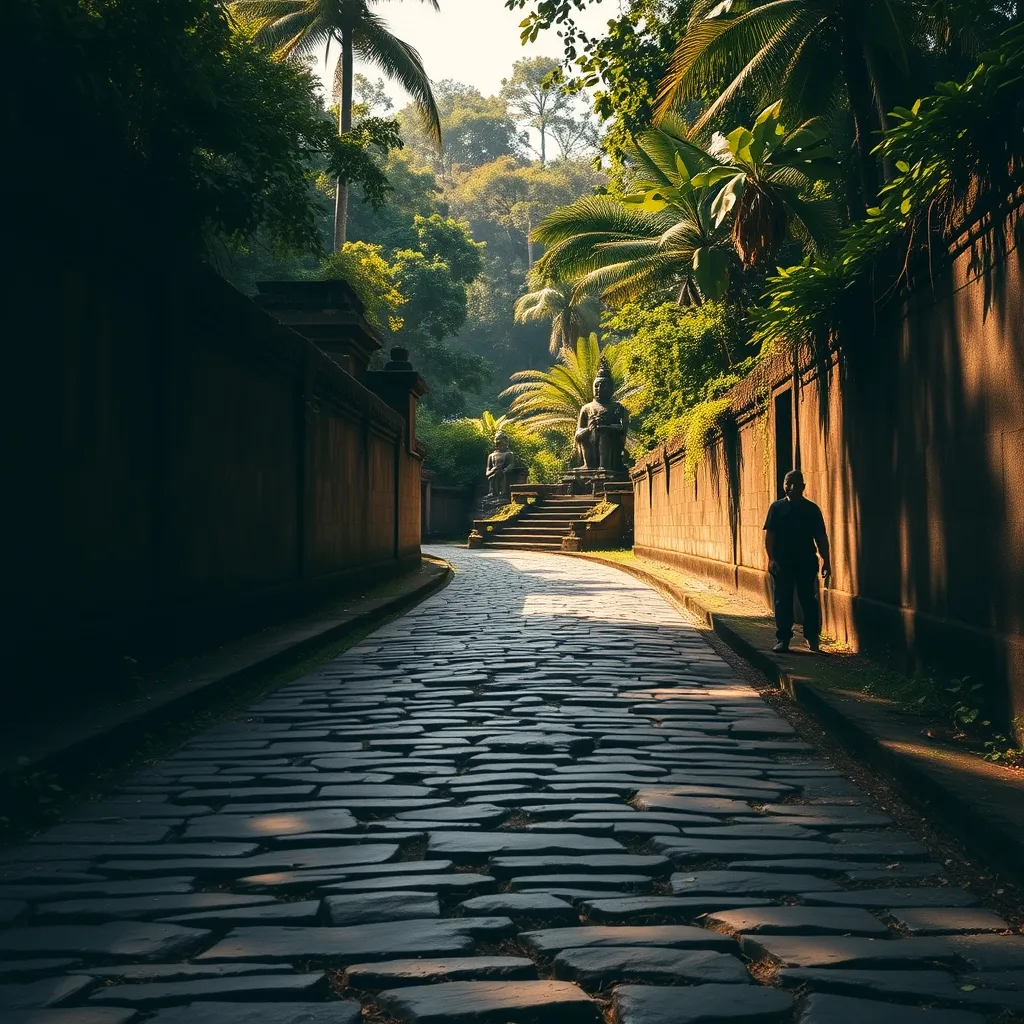
As I stepped into the ancient city of Angkor, I couldn't help but feel a sense of awe at the sheer scale and majesty of the temples that surrounded me. But beyond the stunning architecture and intricate carvings, I knew that there was a deeper story waiting to be uncovered - a story of trade and commerce that had once flowed through this region like lifeblood. The ancient trade routes of Angkor are a fascinating topic, and one that has captivated historians and archaeologists for centuries. By exploring these routes, we can gain a unique insight into the daily lives of the people who lived and worked in this ancient city.
For centuries, Angkor was a major hub of trade and commerce, with merchants and traders coming from all over Asia to buy and sell goods. The city's strategic location, nestled deep in the heart of Southeast Asia, made it the perfect place for traders to exchange goods and ideas. From the luxurious silks of China to the precious spices of India, Angkor's markets were filled with exotic goods from all corners of the ancient world. But the trade routes of Angkor were not just about the goods that were bought and sold - they were also about the people and cultures that came together in this vibrant and cosmopolitan city.
Uncovering the Trade Routes
To uncover the ancient trade routes of Angkor, historians and archaeologists have had to rely on a combination of historical records, archaeological evidence, and careful analysis. By studying the ancient texts and inscriptions that have been found in the region, we can gain a glimpse into the daily lives of the people who lived and worked in Angkor. We can learn about the types of goods that were traded, the routes that were taken, and the people who were involved in the trade. Archaeological evidence, such as the remains of ancient roads and bridges, has also helped to shed light on the trade routes of Angkor. By carefully excavating and analyzing these remains, we can reconstruct the routes that were taken by traders and merchants, and gain a better understanding of the logistics of trade in the ancient world.
One of the most significant trade routes of Angkor was the route that connected the city to the port of Oc Eo, on the coast of modern-day Vietnam. This route was a major artery of trade, with merchants and traders coming from all over Asia to buy and sell goods. The route was also an important conduit for the spread of ideas and cultures, with Buddhism and Hinduism being introduced to the region through this route. By studying this route, we can gain a unique insight into the cultural and economic exchanges that took place between Angkor and the wider world.
The Goods of Angkor
So what types of goods were traded in Angkor? The answer is a fascinating one, and reflects the city's position as a major hub of trade and commerce. Luxurious silks and fine ceramics from China were highly prized in Angkor, and were often used as gifts or offerings to the gods. Precious spices, such as pepper and cinnamon, were also highly valued, and were used to flavor food and perfume the air. Other goods, such as metals and precious stones, were also traded in Angkor, and were often used to adorn the city's stunning temples and palaces. By studying the goods that were traded in Angkor, we can gain a glimpse into the daily lives of the people who lived and worked in the city, and learn about the cultural and economic exchanges that took place between Angkor and the wider world.
But the goods of Angkor were not just about luxury and extravagance - they were also about everyday life. Foodstuffs, such as rice and fish, were also traded in the city's markets, and were essential for the survival of the population. Other goods, such as textiles and tools, were also traded, and were used by the people of Angkor to make their daily lives easier and more comfortable. By studying these everyday goods, we can gain a unique insight into the daily lives of the people who lived and worked in Angkor, and learn about the social and economic structures that underpinned the city's vibrant culture.
A Legacy of Trade and Commerce
Today, the ancient trade routes of Angkor may be gone, but their legacy lives on. The city's stunning temples and palaces are a testament to the wealth and prosperity that was generated by trade and commerce, and the cultural and economic exchanges that took place between Angkor and the wider world continue to shape the region to this day. As we explore the hidden past of Cambodia, we are reminded of the importance of trade and commerce in shaping the course of human history. By uncovering the ancient trade routes of Angkor, we can gain a unique insight into the daily lives of the people who lived and worked in this ancient city, and learn about the cultural and economic exchanges that took place between Angkor and the wider world.
I explored a related angle in Unveiling the Hidden City of Petra if you want to keep pulling this thread.
The story of Angkor's ancient trade routes is a fascinating one, and is a reminder of the city's position as a major hub of trade and commerce in the ancient world. By exploring this story, we can gain a deeper understanding of the history and culture of Cambodia, and learn about the people and cultures that came together in this vibrant and cosmopolitan city. Whether you are a historian, an archaeologist, or simply someone who is interested in the ancient world, the story of Angkor's trade routes is one that is sure to captivate and inspire.