Uncovering the Secrets of the Inca Road Network
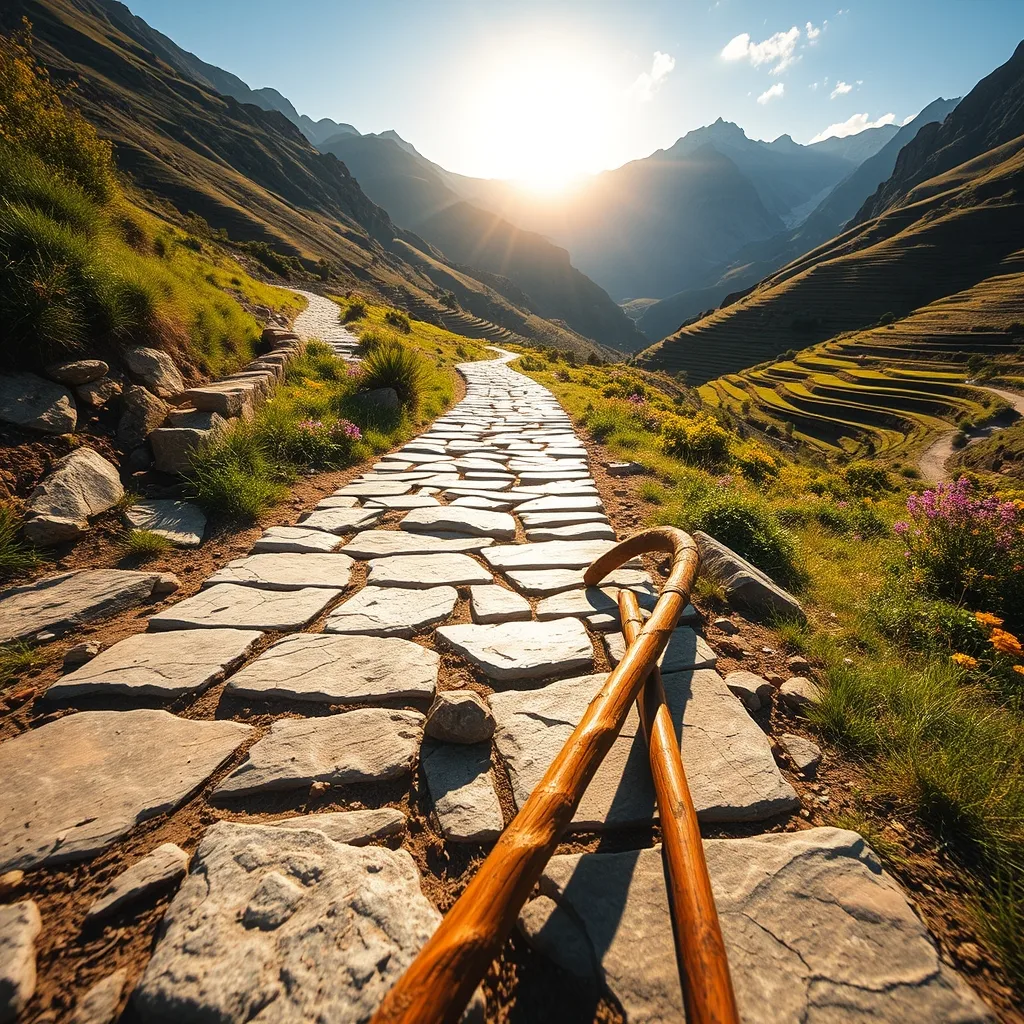
I've always been fascinated by the ingenuity and craftsmanship of the Inca civilization, and one of the most impressive feats of their engineering is the Inca Road Network, also known as Qhapaq Ñan. This vast network of roads and trails stretches over 25,000 miles, connecting modern-day Colombia, Ecuador, Peru, Bolivia, Chile, and Argentina. As I delved deeper into the history of this incredible achievement, I began to uncover the secrets and stories behind its construction, and I was amazed by the complexity and sophistication of the Inca's road-building techniques.
The Inca Road Network was more than just a means of transportation; it was a symbol of the empire's power and unity. The roads were built to connect the various regions of the empire, facilitating the exchange of goods, ideas, and cultures. The network was also used for military purposes, allowing the Incas to quickly mobilize their troops and respond to threats from neighboring tribes. But what's truly remarkable about the Inca Road Network is the fact that it was built without the use of wheels, iron tools, or other modern technologies. Instead, the Incas relied on their knowledge of the land, their skilled laborers, and their innovative engineering techniques to construct roads that would last for centuries.
Construction and Engineering
The construction of the Inca Road Network was a massive undertaking that required careful planning, precise engineering, and a huge workforce. The Incas built their roads using local materials, such as stone, gravel, and sand, which were often carried by hand or using simple tools made of wood and bone. The roads were designed to be durable and resistant to erosion, with drainage systems and retaining walls built to prevent landslides and flooding. In some areas, the roads were paved with stone or gravel, while in others, they were simply dirt tracks. Despite the varying conditions, the roads were remarkably well-maintained, with regular repairs and upgrades ensuring that they remained safe and passable for travelers.
One of the most impressive aspects of the Inca Road Network is its adaptability to different environments and climates. From the scorching deserts of coastal Peru to the snow-capped mountains of the Andes, the roads were built to withstand extreme weather conditions and treacherous terrain. In the highlands, the roads were often built into the sides of mountains, using steep inclines and switchbacks to navigate the rugged landscape. In the lowlands, the roads were built on raised causeways, using drainage systems to prevent flooding and erosion. This adaptability is a testament to the Incas' deep understanding of their environment and their ability to work in harmony with the natural world.
Cultural Significance and Legacy
The Inca Road Network is not just an impressive feat of engineering; it's also a powerful symbol of the Inca culture and its values. The roads represent the empire's commitment to unity, cooperation, and communication, as well as its respect for the natural world and the diverse cultures that existed within its borders. Today, the Inca Road Network is recognized as a UNESCO World Heritage Site, and it continues to inspire wonder and awe in people from around the world. As we explore the ruins of the Inca Empire, we're reminded of the ingenuity, creativity, and perseverance of the people who built this incredible network of roads and trails.
As I reflect on the secrets and stories of the Inca Road Network, I'm struck by the realization that this ancient civilization was far more sophisticated and advanced than we often give them credit for. The Incas were skilled engineers, talented artisans, and visionary leaders who built a vast and complex empire that thrived for centuries. Their legacy continues to inspire us today, reminding us of the importance of community, cooperation, and respect for the natural world. As we look to the future, we can learn valuable lessons from the Inca Road Network, about the power of human ingenuity, the importance of preserving our cultural heritage, and the need to work in harmony with the environment to build a better world for all.
Preservation and Conservation Efforts
Despite its cultural and historical significance, the Inca Road Network is facing numerous challenges and threats, including erosion, landslides, and human activities such as mining and agriculture. To address these challenges, conservation efforts are underway to protect and preserve the roads and trails, as well as the surrounding landscapes and ecosystems. These efforts include the creation of national parks and protected areas, the restoration of damaged roads and trails, and the promotion of sustainable tourism practices that support local communities and respect the environment. By working together to preserve the Inca Road Network, we can ensure that this incredible cultural treasure continues to inspire and educate future generations, while also promoting a deeper understanding and appreciation of the Inca civilization and its legacy.
I explored a related angle in Decoding Ancient Mesopotamia's Clay Tablets if you want to keep pulling this thread.
In conclusion, the Inca Road Network is an extraordinary achievement that continues to fascinate and inspire us today. Its construction, engineering, and cultural significance are a testament to the ingenuity and creativity of the Inca people, and its legacy serves as a powerful reminder of the importance of community, cooperation, and respect for the natural world. As we continue to explore and learn from this ancient civilization, we're reminded of the enduring power of human imagination and the importance of preserving our cultural heritage for future generations.