Unearthing Ancient Trade Secrets
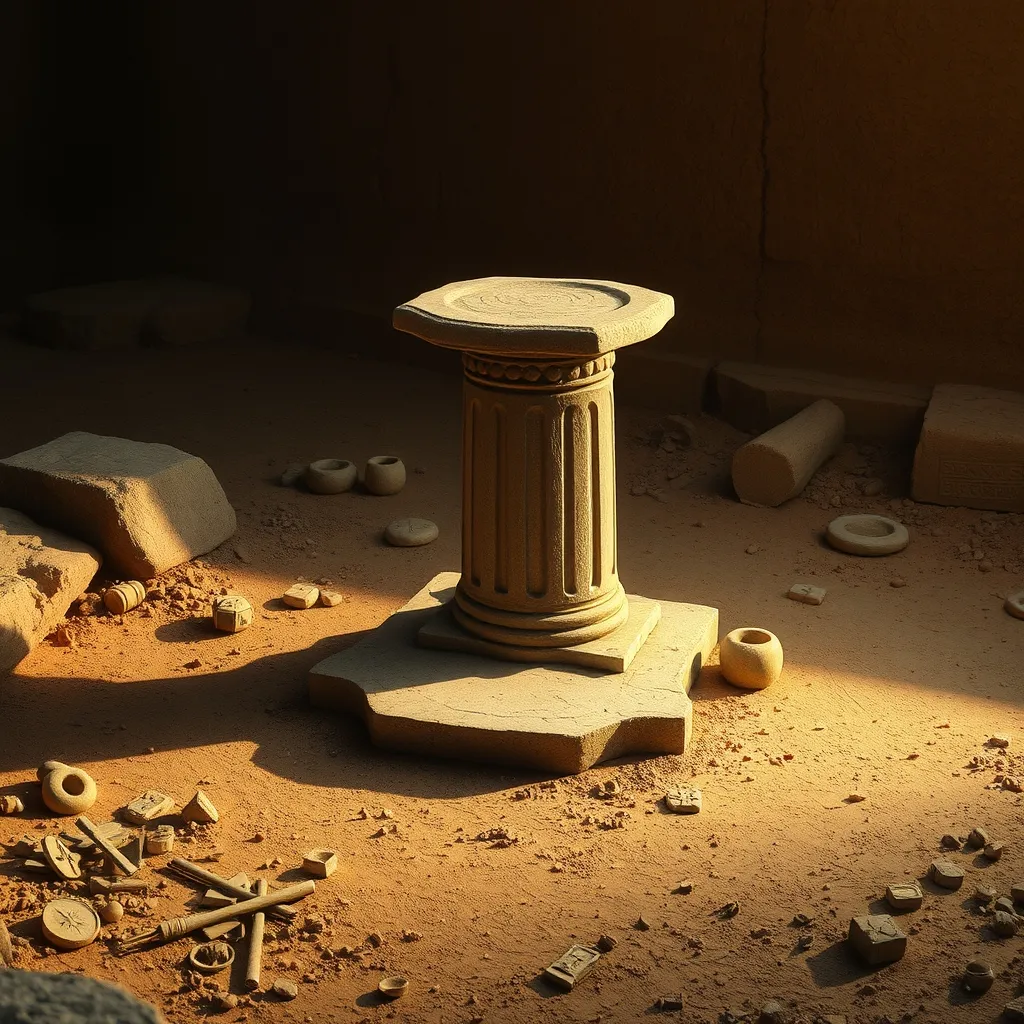
I've always been fascinated by the ancient trade routes that once connected the world. As I delved deeper into the history of these routes, I began to uncover secrets that had been hidden for centuries. The Silk Road, the Incense Road, and the Spice Route are just a few examples of the networks that facilitated the exchange of goods, ideas, and cultures between civilizations. These routes were more than just paths for merchants to travel; they were conduits for the spread of knowledge, innovation, and power. By exploring these ancient trade secrets, we can gain a deeper understanding of how our modern world came to be.
One of the most significant trade secrets I've discovered is the importance of geography in shaping the course of human history. The location of mountain passes, rivers, and deserts played a crucial role in determining the routes that traders took. For example, the Silk Road, which connected China with the Mediterranean, followed the path of the Tian Shan mountains, which provided a natural barrier against invaders and harsh weather conditions. Similarly, the Incense Road, which connected Arabia with the Mediterranean, followed the path of the frankincense trees that grew only in the southern region of Arabia. By understanding the geographical context of these trade routes, we can appreciate the ingenuity and adaptability of ancient traders.
Uncovering Hidden Routes
As I continued to research ancient trade routes, I began to uncover hidden routes that had been lost to history. One such route is the Tea-Horse Road, which connected China with Tibet and India. This route was used to trade tea for horses, which were highly valued by the Chinese for their military prowess. The Tea-Horse Road was a significant route, not only because of the goods that were traded but also because of the cultural exchange that took place between the Chinese, Tibetans, and Indians. The route was also notable for its treacherous terrain, which included steep mountain passes and raging rivers. Despite the challenges, the Tea-Horse Road played a vital role in the development of the region, facilitating the spread of Buddhism and the exchange of ideas between the different cultures.
Another hidden route that I've discovered is the Trans-Saharan Trade Route, which connected West Africa with the Mediterranean. This route was used to trade gold, salt, and other valuable commodities across the Sahara Desert. The Trans-Saharan Trade Route was a significant route, not only because of the goods that were traded but also because of the cultural exchange that took place between the different tribes and empires of West Africa. The route was also notable for its harsh conditions, which included blistering heat, limited water supply, and treacherous sand dunes. Despite the challenges, the Trans-Saharan Trade Route played a vital role in the development of the region, facilitating the spread of Islam and the exchange of ideas between the different cultures.
Revealing the Impact of Trade on Culture
The ancient trade routes had a profound impact on the cultures that they connected. The exchange of goods, ideas, and innovations helped to shape the course of human history, facilitating the development of new technologies, art forms, and philosophies. For example, the Silk Road played a significant role in the spread of Buddhism from India to China, while the Incense Road helped to spread Christianity from the Mediterranean to Arabia. The Spice Route, which connected India with the Mediterranean, facilitated the exchange of spices, textiles, and other luxury goods, which had a profound impact on the cuisine, fashion, and architecture of the regions that it connected.
The impact of trade on culture can also be seen in the art and architecture of the regions that were connected by the ancient trade routes. For example, the Buddhist caves of Dunhuang, which were built along the Silk Road, feature a unique blend of Chinese, Indian, and Central Asian artistic styles. Similarly, the mosques of Arabia, which were built along the Incense Road, feature a unique blend of Arabian, Byzantine, and Persian architectural styles. The exchange of ideas and innovations that took place along the ancient trade routes helped to create a rich cultural heritage that continues to inspire and influence us today.
Preserving the Legacy of Ancient Trade
As we continue to uncover the secrets of ancient trade routes, it's essential that we preserve the legacy of these routes for future generations. This can be done by protecting the historical sites and landmarks that are associated with the trade routes, such as the ancient cities, temples, and monuments that were built along the way. It's also essential that we promote cultural exchange and understanding between the different regions that were connected by the ancient trade routes. By doing so, we can help to recreate the spirit of cooperation and mutual respect that characterized the ancient trade routes, and which helped to shape the course of human history.
I explored a related angle in Unveiling the Mystique of Pompeii if you want to keep pulling this thread.
In conclusion, the ancient trade routes offer a fascinating glimpse into the history of human civilization. By uncovering the secrets of these routes, we can gain a deeper understanding of how our modern world came to be, and appreciate the ingenuity and adaptability of ancient traders. As we continue to explore and learn from the ancient trade routes, we can help to preserve the legacy of these routes for future generations, and promote cultural exchange and understanding between the different regions that were connected by them.