Unveiling the Mystique of Japanese Tea Ceremonies
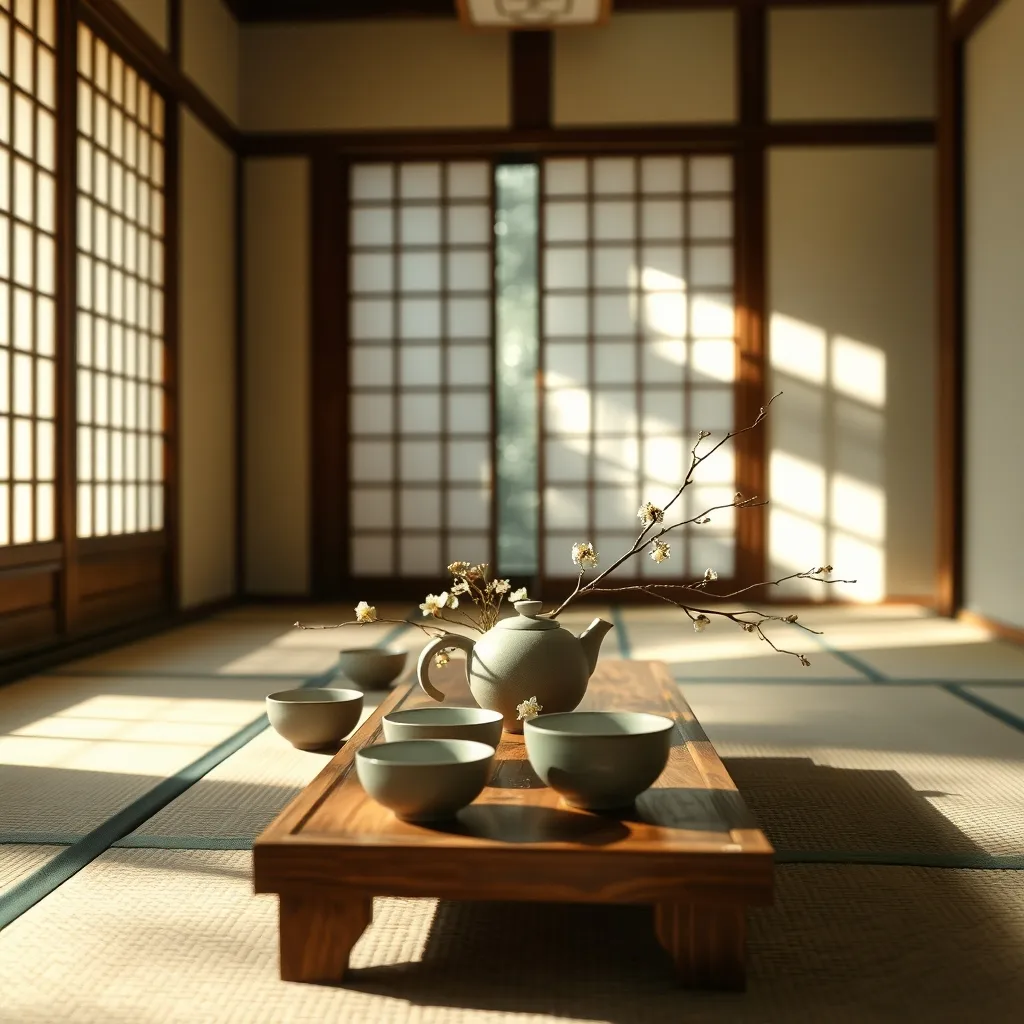
As I delve into the world of Japanese tea ceremonies, I am struck by the intricate web of history, culture, and philosophy that underlies this ancient tradition. The ceremony, also known as Chanoyu, Sado or Ocha, is a highly ritualized and formalized ceremony in which green tea, called Matcha, is prepared and served to guests in a specially designed room. The ceremony is not just about drinking tea, but about the art of the ceremony itself, the beauty of nature, and the spiritual connection between host and guests.
The history of Japanese tea ceremonies dates back to the 9th century, when tea was first introduced to Japan from China. Over time, the ceremony evolved and was influenced by Zen Buddhism, which emphasized the importance of living in the present moment and appreciating the beauty of nature. The ceremony was also influenced by the concept of "wa" (harmony), "kei" (respect), "sei" (purity), and "jaku" (tranquility), which are still the core principles of the ceremony today. The ceremony is a reflection of the Japanese culture's emphasis on respect, harmony, and balance, and is a unique and fascinating aspect of Japanese history and culture.
The Preparation and Execution of the Ceremony
The preparation and execution of the ceremony are just as important as the ceremony itself. The host, or tea master, spends hours preparing the tea room, selecting the right utensils and tea scoops, and practicing the precise movements and gestures that are required during the ceremony. The guests, too, must prepare themselves by purifying their hands and mouths before entering the tea room. The ceremony itself is a highly choreographed and ritualized series of movements, with each gesture and action carefully designed to create a sense of harmony and balance. From the way the tea is scooped and poured, to the way the guests bow and receive the tea, every aspect of the ceremony is carefully considered and executed.
The tea room itself is also an important aspect of the ceremony. The room is designed to be simple and uncluttered, with a focus on natural materials such as wood and stone. The room is also designed to be in harmony with nature, with a garden or courtyard outside that provides a sense of tranquility and peace. The tea room is a space where time stands still, and where the participants can escape the stresses and distractions of everyday life. The ceremony is a journey, not a destination, and the tea room is the vessel that carries the participants on this journey.
The Spiritual and Philosophical Significance of the Ceremony
The Japanese tea ceremony is not just a cultural or historical phenomenon, but also a deeply spiritual and philosophical one. The ceremony is rooted in Zen Buddhism, and is designed to promote a sense of mindfulness, presence, and awareness. The ceremony is a way of cultivating a sense of inner peace and tranquility, and of connecting with nature and the world around us. The ceremony is also a way of letting go of distractions and desires, and of focusing on the present moment. In a world that is increasingly fast-paced and chaotic, the Japanese tea ceremony offers a rare and precious opportunity to slow down, breathe deeply, and appreciate the beauty of the present moment.
The ceremony is also a celebration of the fleeting nature of life, and the impermanence of all things. The ceremony is a reminder that everything is transient, and that nothing lasts forever. This realization can be both melancholic and liberating, and is a central theme of the ceremony. The ceremony is a way of embracing the present moment, and of finding beauty and meaning in the impermanent and ephemeral nature of life. As I reflect on the Japanese tea ceremony, I am struck by the depth and richness of this tradition, and the many ways in which it continues to inspire and nourish people around the world.
The Enduring Appeal of the Ceremony
Despite its many complexities and nuances, the Japanese tea ceremony remains a deeply appealing and accessible tradition. The ceremony is a universal language, one that transcends cultural and linguistic boundaries, and speaks to something deep and fundamental in the human experience. The ceremony is a reminder of the importance of slowing down, being present, and appreciating the beauty of the world around us. In a world that is increasingly fast-paced and chaotic, the Japanese tea ceremony offers a rare and precious opportunity to cultivate a sense of inner peace, tranquility, and connection to nature and the world around us. As I conclude my journey into the world of Japanese tea ceremonies, I am left with a sense of awe and appreciation for this ancient and beautiful tradition, and a deeper understanding of the many ways in which it continues to inspire and nourish people around the world.
I explored a related angle in Uncovering the Secrets of the Inca Road Network if you want to keep pulling this thread.
The Japanese tea ceremony is a journey, not a destination, and one that requires patience, dedication, and an open heart and mind. As we navigate the complexities and challenges of modern life, the ceremony offers a rare and precious opportunity to slow down, breathe deeply, and appreciate the beauty of the present moment. Whether we are participants or observers, the ceremony invites us to cultivate a sense of mindfulness, presence, and awareness, and to connect with the world around us in a deeper and more meaningful way. As we embark on this journey, we may discover that the ceremony is not just a cultural or historical phenomenon, but a living and breathing tradition that continues to inspire and nourish us in profound and lasting ways.