Unseen Faces of the Renaissance
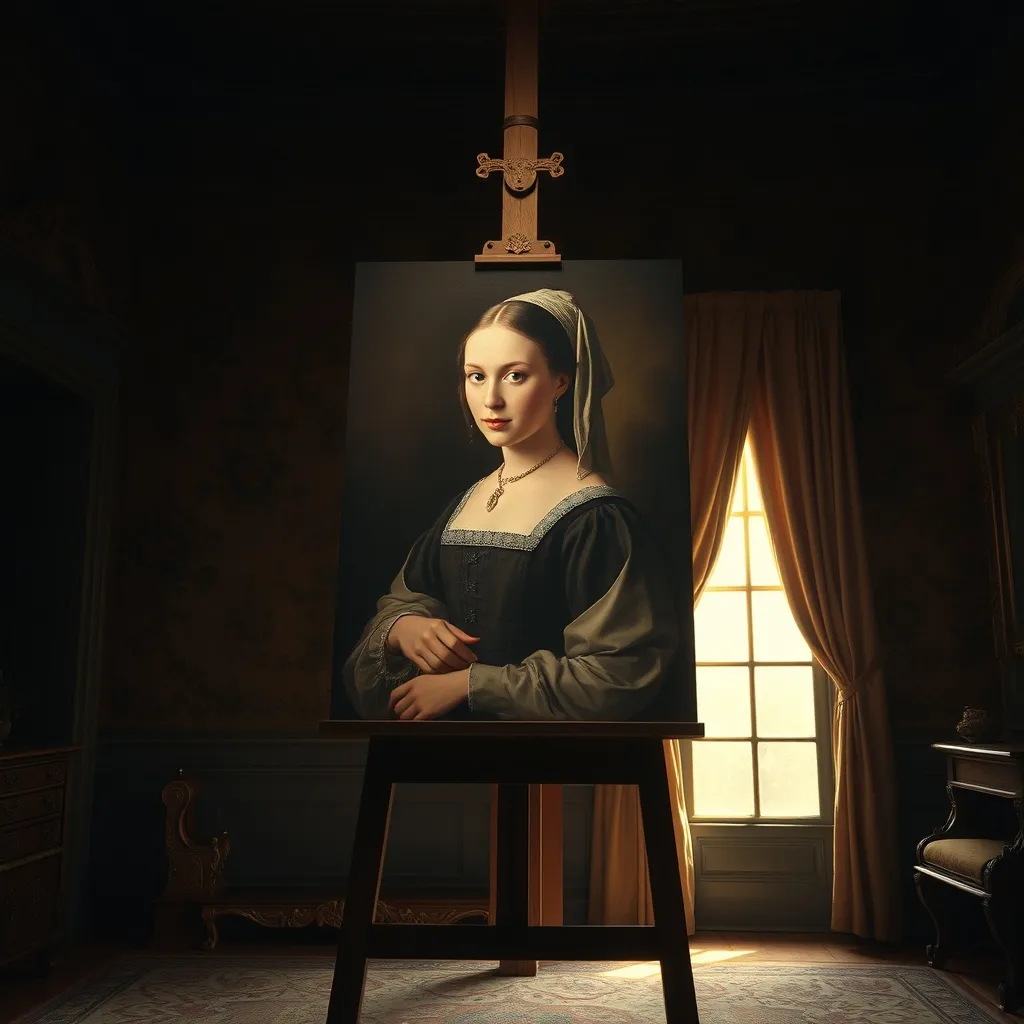
As we delve into the world of the Renaissance, it's easy to get caught up in the grandeur of famous figures like Leonardo da Vinci, Michelangelo, and Raphael. However, behind the masterpieces and iconic works of art, there existed a multitude of unseen faces who played a crucial role in shaping the cultural and artistic landscape of the time. These individuals, often overlooked by history, were the driving force behind the Renaissance's most enduring achievements. In this blog post, we'll shine a light on some of the unknown heroes who contributed to the Renaissance's rich tapestry.
One such group of unseen faces is the artisans and craftsmen who toiled behind the scenes to bring the Renaissance's most iconic works to life. From the skilled stone carvers who labored to create the intricate facades of Florence's cathedrals to the master glassmakers who crafted the stunning stained-glass windows of Venice's churches, these individuals possessed a level of technical expertise and artistic flair that rivaled that of their more famous counterparts. Despite their crucial role in the creative process, however, these artisans and craftsmen often remain anonymous, their names lost to the sands of time.
The Patronage System
The Renaissance was also characterized by a complex system of patronage, whereby wealthy and powerful individuals would commission works of art from talented artists. While the Medicis and other prominent families are well-known for their patronage of the arts, there were many other, lesser-known patrons who played a vital role in supporting the work of Renaissance artists. These patrons, often women, would provide financial backing and creative guidance to artists, enabling them to produce some of their most innovative and enduring works. By examining the lives and contributions of these patrons, we can gain a deeper understanding of the social and cultural context in which the Renaissance's most famous works were created.
Another group of unseen faces is the women who played a crucial role in the Renaissance's cultural and artistic developments. From the female patrons who supported the work of artists to the women who were themselves artists, writers, and musicians, these individuals helped to shape the Renaissance's intellectual and creative landscape. Despite the societal norms that often restricted their opportunities and limited their recognition, women like Sofonisba Anguissola, a talented painter, and Vittoria Colonna, a renowned poet, were able to make significant contributions to the Renaissance's artistic and literary heritage.
The Artistic Collaborations
The Renaissance was also marked by a spirit of collaboration and innovation, as artists, writers, and musicians came together to produce works of breathtaking beauty and complexity. From the joint efforts of artists like Perugino and Raphael, who worked together to create some of the Renaissance's most iconic frescoes, to the musical collaborations of composers like Palestrina and Lasso, these artistic partnerships helped to drive the Renaissance's creative advancements. By exploring these collaborations, we can gain a deeper appreciation for the Renaissance's emphasis on community and creativity, as well as the ways in which artists and intellectuals worked together to push the boundaries of their respective fields.
Finally, it's worth noting that the Renaissance was not just a European phenomenon, but a global one, with artists, traders, and intellectuals from around the world contributing to its cultural and artistic developments. From the African and Asian influences that can be seen in the art and architecture of the time to the global trade networks that facilitated the exchange of goods and ideas, the Renaissance was a truly international movement. By recognizing the contributions of these global actors, we can gain a more nuanced understanding of the Renaissance's complexities and diversity, as well as its enduring legacy in the modern world.
A Lasting Legacy
I explored a related angle in The Secret Archives of Marrakech if you want to keep pulling this thread.
In conclusion, the unseen faces of the Renaissance – the artisans and craftsmen, the patrons, the women, and the global actors – played a vital role in shaping the cultural and artistic landscape of the time. By exploring their lives and contributions, we can gain a deeper appreciation for the Renaissance's complexities and diversity, as well as its enduring legacy in the modern world. As we continue to marvel at the masterpieces of the Renaissance, let us not forget the unknown heroes who worked behind the scenes to bring these works to life, and whose contributions remain an essential part of the Renaissance's rich and fascinating history.