Decoding Ancient Mesopotamian Mythology
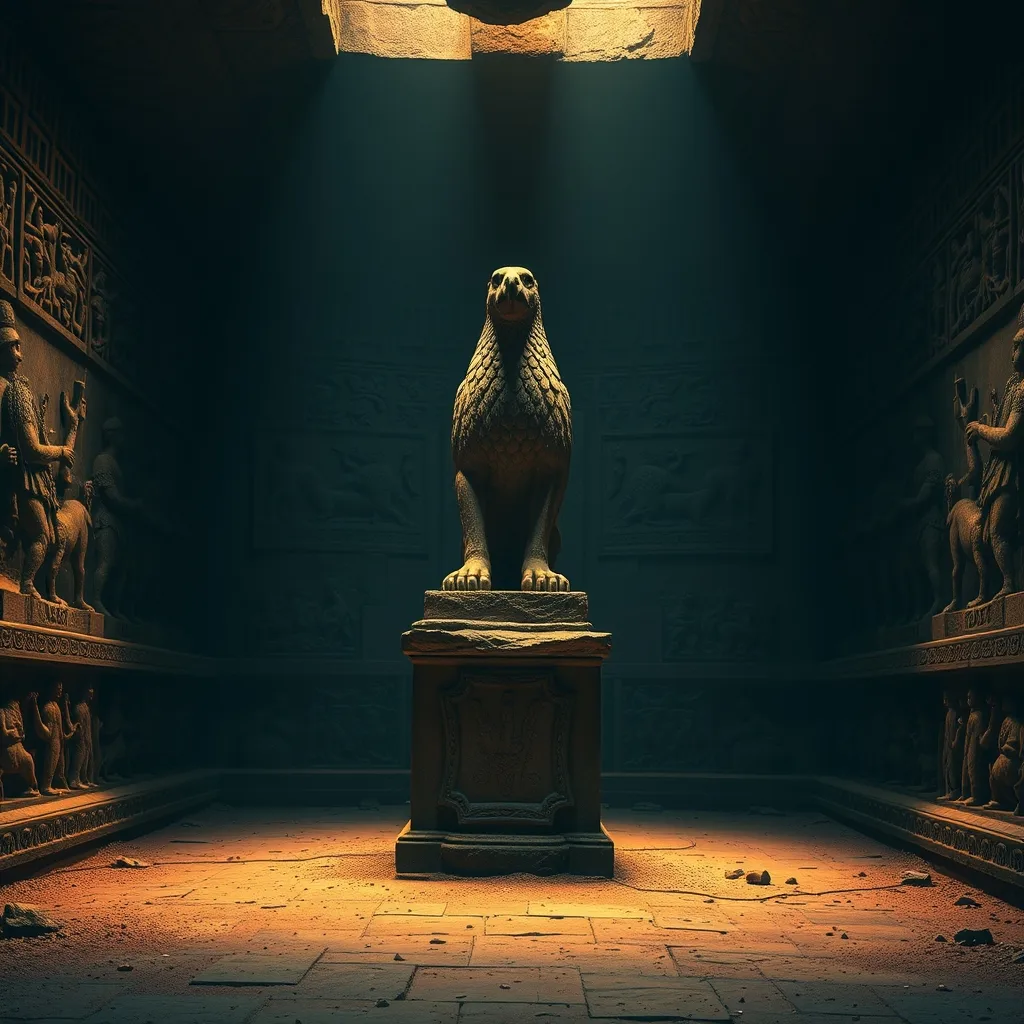
As I delve into the world of ancient Mesopotamian mythology, I am struck by the complexity and richness of the stories that have been passed down through the centuries. The region between the Tigris and Euphrates rivers, often referred to as the cradle of civilization, was home to a plethora of cultures, each with their own unique mythological traditions. From the Sumerians to the Babylonians, and finally the Assyrians, each civilization built upon the mythological foundations laid by their predecessors, creating a vast and intricate tapestry of stories that continue to fascinate and inspire us today.
The Mesopotamian pantheon was populated by a multitude of gods and goddesses, each with their own distinct powers and personalities. At the forefront of this pantheon was the god Anu, the sky god and king of the gods, who was often depicted as a powerful and wise ruler. Alongside Anu were the gods Enlil and Enki, who represented the air and water respectively, and were often at odds with one another. The goddess Ishtar, on the other hand, was the embodiment of love, fertility, and war, and was revered by many as a powerful and capricious deity. These gods and goddesses, along with many others, played important roles in the myths and legends of ancient Mesopotamia, shaping the worldview and cultural practices of the people who lived there.
The Epic of Gilgamesh: A Window into Mesopotamian Mythology
The Epic of Gilgamesh, one of the earliest surviving works of literature, provides a unique window into the mythological world of ancient Mesopotamia. The epic tells the story of Gilgamesh, a king of Uruk who embarks on a series of adventures and quests, including a journey to discover the secret of immortality. Along the way, Gilgamesh encounters a variety of mythological creatures, including the monster Humbaba and the bull of heaven, and must use his cunning and bravery to overcome the challenges that he faces. The Epic of Gilgamesh is more than just a thrilling adventure story, however - it is also a deeply philosophical and psychological exploration of the human condition, grappling with fundamental questions about the nature of humanity, the meaning of life, and the inevitability of death.
Through the Epic of Gilgamesh, we gain insight into the Mesopotamian conception of the universe and the role of humanity within it. The epic presents a world that is fraught with danger and uncertainty, where the gods are capricious and often cruel, and where human life is fragile and ephemeral. And yet, despite these challenges, the epic also suggests that human beings have the power to shape their own destinies, to create their own meaning and purpose in life. This complex and nuanced worldview is reflective of the broader Mesopotamian mythological tradition, which often walked a fine line between optimism and pessimism, hope and despair.
The Influence of Mesopotamian Mythology on Western Culture
Mesopotamian mythology has had a profound influence on Western culture, shaping the way that we think about the world and our place within it. The stories and legends of ancient Mesopotamia have been passed down through the centuries, influencing the mythology and literature of ancient Greece and Rome, and ultimately shaping the Judeo-Christian tradition. The story of the great flood, for example, which is told in the Epic of Gilgamesh, bears a striking resemblance to the story of Noah's Ark in the Bible, highlighting the shared cultural heritage of the ancient Near East.
Furthermore, Mesopotamian mythology has also influenced the development of Western literature and art, with authors such as John Milton and William Blake drawing on Mesopotamian themes and motifs in their work. The epic poem, as a literary form, owes a debt to the Epic of Gilgamesh, which established the template for later epic poems such as the Iliad and the Odyssey. Even in modern times, Mesopotamian mythology continues to inspire artists, writers, and filmmakers, who draw on the rich cultural heritage of ancient Mesopotamia to create new and innovative works.
Uncovering the Secrets of Mesopotamian Mythology
Despite its profound influence on Western culture, Mesopotamian mythology remains somewhat of a mystery, with many of its stories and legends still not fully understood. However, through continued scholarship and research, we are slowly uncovering the secrets of this ancient mythological tradition. By studying the myths and legends of ancient Mesopotamia, we gain insight into the cultural practices and beliefs of the people who lived there, and are able to reconstruct a more nuanced and detailed picture of life in ancient Mesopotamia.
I explored a related angle in Unveiling the Mystique of Japanese Tea Ceremonies if you want to keep pulling this thread.
Moreover, the study of Mesopotamian mythology also has the power to challenge our assumptions about the nature of human culture and society. By examining the ways in which ancient Mesopotamians thought about the world and their place within it, we are forced to confront our own biases and prejudices, and to consider alternative perspectives and worldviews. In this sense, the study of Mesopotamian mythology is not just an academic exercise, but a deeply personal and philosophical one, with the power to transform our understanding of ourselves and our place in the world.