Hidden Histories of Street Food
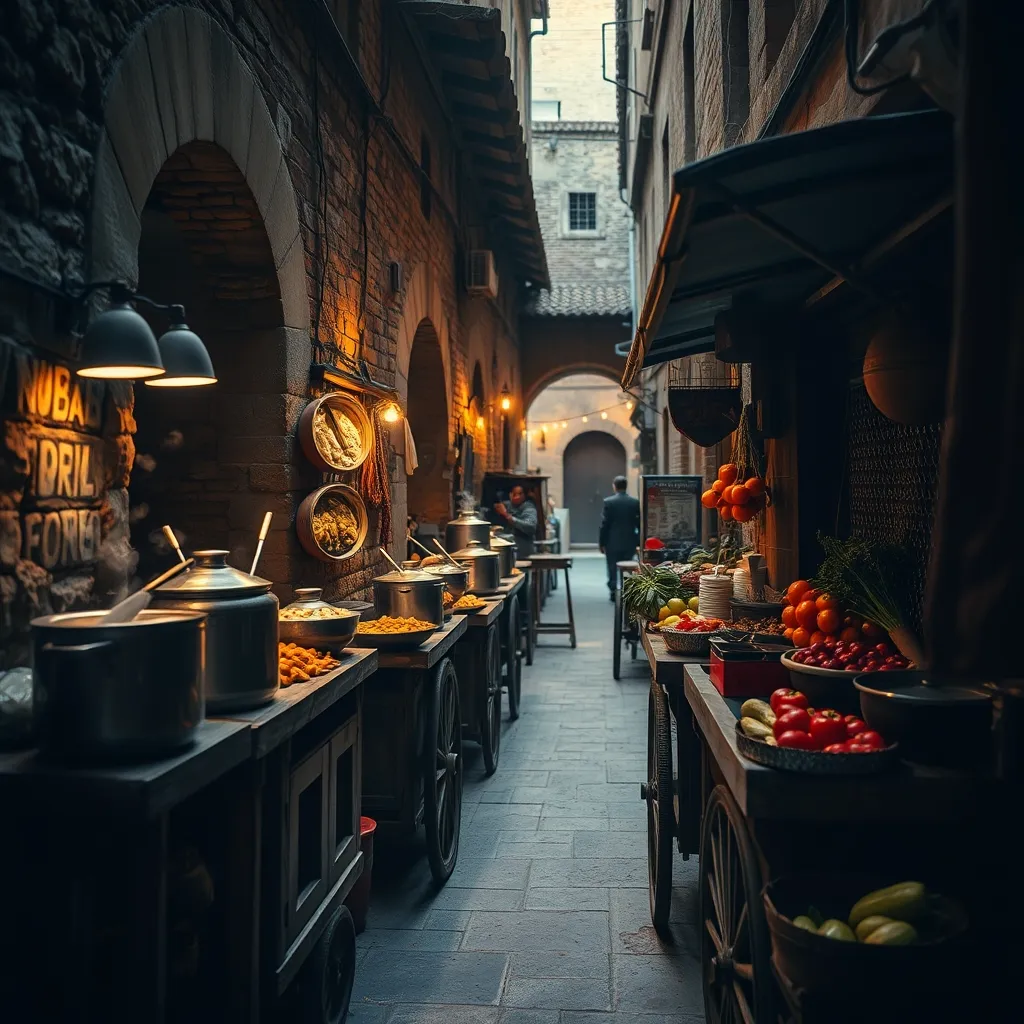
As I walk through the bustling streets of cities around the world, I'm always on the lookout for the smells, sounds, and tastes that define a place. Street food is more than just a quick bite – it's a window into the history and culture of a community. From the spicy kick of Korean kimchi to the rich flavors of Indian curries, every dish has a story to tell. In this post, I'll delve into the hidden histories of street food, exploring the origins, evolution, and cultural significance of iconic dishes that have become an integral part of our culinary landscape.
One of the most fascinating aspects of street food is its ability to bring people together. Whether it's a bustling night market in Bangkok or a humble food cart in Mexico City, street food has a way of transcending cultural and socioeconomic boundaries. It's a universal language that speaks to our shared humanity, evoking emotions and memories that are both deeply personal and profoundly collective. As I explore the hidden histories of street food, I'm struck by the ways in which these dishes reflect the complex, often fraught, histories of the communities that created them.
The Origins of Iconic Dishes
Take, for example, the humble taco. This beloved Mexican dish has a rich and complex history that spans centuries. The word "taco" itself is derived from the Aztec word "tlahco," which referred to a half or in the middle. The modern taco, however, is a relatively recent innovation, dating back to the 19th century when Mexican street vendors began serving tacos de carnitas – crispy fried pork tacos – to workers in the capital city. Over time, the taco evolved and spread, incorporating new ingredients and flavors from across the globe. Today, tacos are a staple of Mexican cuisine, with countless variations and regional specialties that reflect the country's diverse cultural heritage.
Similarly, the popular Indian dish biryani has a long and storied history that spans thousands of years. The word "biryani" is derived from the Persian word "birian," which means "fried" or "roasted." The dish itself is believed to have originated in the royal kitchens of the Mughal Empire, where it was served as a luxurious and aromatic rice dish flavored with spices, herbs, and meat or vegetables. Over time, biryani spread throughout the Indian subcontinent, with different regions developing their own unique variations and specialties. Today, biryani is a beloved staple of Indian cuisine, with countless variations and adaptations that reflect the country's rich cultural diversity.
Street Food as Cultural Exchange
One of the most significant aspects of street food is its role as a vector of cultural exchange. As people migrate, trade, and interact with one another, they bring their culinary traditions with them, adapting and evolving them to suit new environments and ingredients. This process of cultural exchange has given rise to countless new dishes and flavors, as different communities borrow, adapt, and transform one another's culinary traditions. The result is a vibrant, dynamic culinary landscape that reflects the complex, often fraught, histories of human migration and cultural exchange.
Consider, for example, the popular Korean dish bibimbap. This iconic rice bowl dish is topped with an assortment of vegetables, meat (usually beef), and a fried egg, and is served with a spicy chili pepper paste called gochujang. Bibimbap has a long history in Korea, dating back to the Joseon Dynasty, when it was served as a simple, nourishing meal to farmers and laborers. Over time, however, bibimbap evolved and spread, incorporating new ingredients and flavors from across the globe. Today, bibimbap is a beloved staple of Korean cuisine, with countless variations and adaptations that reflect the country's rich cultural heritage and its complex history of cultural exchange.
Preserving Culinary Heritage
As we explore the hidden histories of street food, it's essential to recognize the importance of preserving culinary heritage. Street food is often ephemeral, existing in a state of constant flux and evolution. As cities develop and urbanize, traditional street food vendors are frequently displaced, and their recipes and techniques are lost forever. It's essential, therefore, to document and preserve the culinary traditions of street food, recognizing the significant cultural and historical value of these dishes. By doing so, we can help to ensure the continued vitality and diversity of street food, and preserve the rich cultural heritage that it represents.
I explored a related angle in Unearthing Ancient Trade Secrets if you want to keep pulling this thread.
As I conclude my journey into the hidden histories of street food, I'm struck by the profound significance of these dishes. They represent a shared cultural heritage that transcends borders, languages, and cuisines, speaking to our fundamental humanity and our deep connection to the natural world. Whether we're exploring the spicy kick of Korean kimchi or the rich flavors of Indian curries, street food offers a window into the complex, often fraught, histories of human culture and society. By embracing and preserving these culinary traditions, we can help to build a more compassionate, inclusive, and sustainable food system – one that celebrates the diversity and richness of human experience, and recognizes the profound significance of street food as a universal language that speaks to us all.