The Forgotten Library of Timbuktu
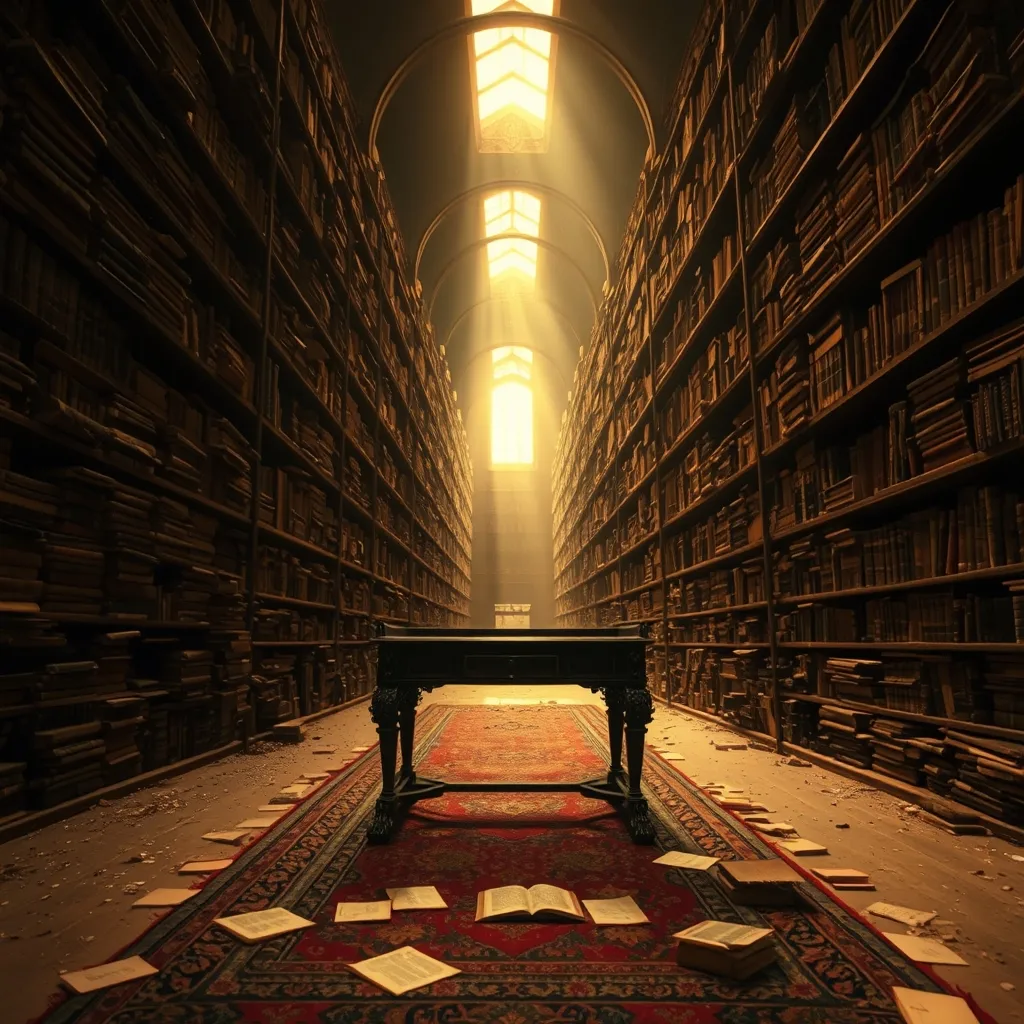
I still remember the day I stumbled upon the story of the Forgotten Library of Timbuktu. I was deep in the stacks of a dusty old bookstore, searching for a rare volume on African history. As I flipped through the pages of a tattered book, I came across a passage that mentioned the ancient city of Timbuktu, a place I had only vaguely heard of before. The author spoke of a magnificent library that once stood at the heart of the city, a repository of knowledge that drew scholars and intellectuals from all over the world. I was intrigued, and my curiosity was piqued. Who were the people behind this incredible library, and what happened to it?
As I delved deeper into the history of Timbuktu, I discovered that the city was once a thriving center of commerce and learning. Located in the heart of the Sahara Desert, Timbuktu was a major stopover for traders and travelers, who brought with them goods, ideas, and knowledge from all corners of the world. The city's strategic location made it an ideal hub for the exchange of goods and ideas, and it quickly became a magnet for scholars, philosophers, and intellectuals. At the heart of this intellectual hub was the library, a vast repository of manuscripts and books that covered every subject imaginable, from astronomy and mathematics to medicine and philosophy.
The Golden Age of Timbuktu
During its golden age, which lasted from the 13th to the 16th century, Timbuktu was a city of unparalleled learning and culture. The library was the crown jewel of the city, attracting scholars and intellectuals from all over the world. These scholars came to Timbuktu to study, teach, and translate the vast array of manuscripts and books that filled the library's shelves. The library was a treasure trove of knowledge, containing works on every subject imaginable, from the great works of Aristotle and Plato to the latest discoveries in astronomy and mathematics. The scholars of Timbuktu were renowned for their expertise in fields such as medicine, astronomy, and philosophy, and their work had a profound impact on the development of these disciplines in Europe and beyond.
One of the most fascinating aspects of the library was its vast collection of manuscripts, which included works by some of the greatest minds in history. The library's shelves were lined with manuscripts written on parchment, paper, and even silk, covering subjects such as theology, law, and literature. Many of these manuscripts were beautifully illustrated, with intricate calligraphy and elaborate decorations. The library was also a center of translation, where scholars worked tirelessly to translate the great works of Greek and Roman authors into Arabic, making them accessible to a wider audience.
The Decline and Rediscovery of the Library
Despite its greatness, the library of Timbuktu was not immune to the ravages of time. As the city's power and influence began to wane, the library fell into disrepair, and many of its precious manuscripts were lost or destroyed. The library was eventually abandoned, and its contents were scattered to the winds. For centuries, the library was forgotten, a relic of a bygone era. However, in recent years, there has been a renewed interest in the library and its contents. Scholars and researchers have been working tirelessly to locate and preserve the remaining manuscripts, and to rebuild the library in all its former glory.
Today, the library of Timbuktu is once again a thriving center of learning and culture. The library's contents have been painstakingly restored and preserved, and its shelves are once again lined with the great works of the past. The library is a testament to the power of knowledge and the importance of preserving our cultural heritage. As I reflect on the story of the Forgotten Library of Timbuktu, I am reminded of the importance of learning from the past and preserving our cultural heritage for future generations. The library of Timbuktu is a shining example of what can be achieved when people come together to pursue knowledge and understanding.
A Legacy of Knowledge and Culture
The legacy of the library of Timbuktu extends far beyond the city itself. The scholars and intellectuals who studied and taught at the library had a profound impact on the development of various disciplines in Europe and beyond. The library's manuscripts and books were highly sought after by scholars and collectors, and many of them found their way into the great libraries of Europe. The library's influence can be seen in the works of great thinkers such as Leonardo da Vinci and Copernicus, who drew upon the knowledge and discoveries of the scholars of Timbuktu. The library's legacy is a testament to the power of knowledge and culture to transcend borders and boundaries, and to the importance of preserving our cultural heritage for future generations.
I explored a related angle in Decoding Ancient Mesopotamian Mythology if you want to keep pulling this thread.
In conclusion, the Forgotten Library of Timbuktu is a reminder of the importance of knowledge, culture, and preservation. The library's story is a testament to the power of human ingenuity and the importance of learning from the past. As we move forward in an increasingly complex and interconnected world, the legacy of the library of Timbuktu serves as a powerful reminder of the importance of preserving our cultural heritage and promoting cross-cultural understanding and exchange. By learning from the past and preserving our cultural heritage, we can build a brighter future for ourselves and for generations to come.