Unmasking the Venetian Carnival
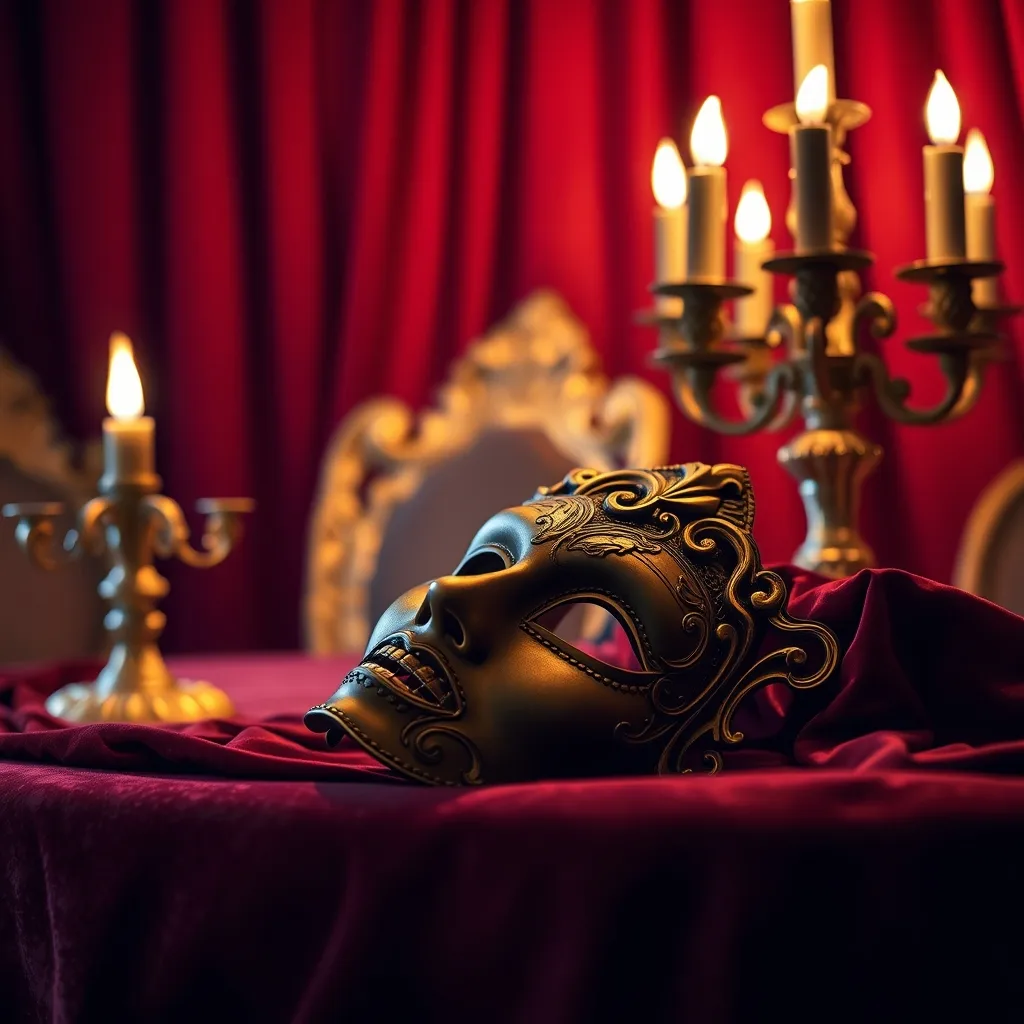
As I walk through the winding streets of Venice during the Carnival, I'm struck by the sheer spectacle of it all. The air is alive with music, laughter, and the rustle of elaborate costumes. But amidst all the revelry, my eyes are drawn to the masks. Those exquisite, intricate, and often mysterious masks that seem to hold secrets of their own. For centuries, these masks have been an integral part of the Venetian Carnival, and yet, their significance and history remain shrouded in mystery. As I delve deeper into the world of these iconic masks, I begin to uncover the fascinating stories and traditions that lie behind them.
The use of masks in Venice dates back to the 13th century, when they were worn to conceal social classes and allow people to mingle freely. During the Carnival, the masks served as a great equalizer, permitting nobles and commoners to interact without the burden of social hierarchy. But as time passed, the masks evolved to become an art form in their own right. Skilled artisans began to craft elaborate designs, often inspired by the Commedia dell'Arte, a theatrical form that originated in Italy. The masks were no longer just a means of concealment, but a way to express oneself, to become someone else, if only for a night.
The Art of Mask-Making
The craft of mask-making is a revered tradition in Venice, with skilled artisans passing down their techniques from generation to generation. The process of creating a mask is painstaking and labor-intensive, requiring great skill and attention to detail. The masks are typically made from papier-mâché or ceramic, and then decorated with intricate designs, feathers, and gemstones. Each mask is a unique work of art, reflecting the personality and style of its creator. As I watch a mask-maker at work, I'm struck by the precision and patience required to craft these exquisite pieces. The mask-maker's hands move deftly, shaping and molding the material into a work of art that seems to come alive in his hands.
As I explore the city, I notice that the masks are not just limited to the Carnival. They seem to be an integral part of Venetian culture, adorning the walls of shops, restaurants, and even homes. The masks have become a symbol of the city's rich history and heritage, a reminder of the traditions and customs that have been passed down through the centuries. And yet, despite their ubiquity, the masks remain shrouded in mystery, their secrets and stories waiting to be uncovered by those willing to look beyond the surface.
Unmasking the Myths and Legends
As I delve deeper into the world of Venetian masks, I begin to uncover the myths and legends that surround them. One of the most fascinating stories is that of the Bauta mask, which is said to have been worn by Casanova himself. The Bauta is a distinctive mask, characterized by its stark white color and pronounced nose. According to legend, the mask was worn by the famous lover to conceal his identity as he wooed his conquests. Whether or not the story is true, the Bauta mask remains one of the most iconic and enduring symbols of the Venetian Carnival.
Another myth that surrounds the masks is that of the plague doctor, who wore a long-beaked mask filled with aromatic herbs to ward off the disease. The mask, with its distinctive beak and goggles, has become a staple of Venetian folklore, symbolizing the city's resilience and determination in the face of adversity. As I walk through the city, I notice that the plague doctor mask is still worn by some revelers, a testament to the enduring power of myth and legend in Venetian culture.
Beyond the Carnival
As the Carnival comes to a close, the masks are packed away, waiting for the next year's festivities to begin. But the legacy of the masks lives on, inspiring artists, designers, and craftsmen around the world. The Venetian mask has become a cultural icon, symbolizing the city's rich history, its love of spectacle, and its enduring spirit of creativity and self-expression. As I leave Venice, I'm struck by the realization that the masks are more than just a relic of the past – they are a living, breathing part of the city's culture, a reminder of the power of art and imagination to transform and transcend.
I explored a related angle in Unveiling the Mystique of Marrakech's Medina if you want to keep pulling this thread.
In the end, the secrets of the Venetian masks remain elusive, hidden behind the intricate designs and the enigmatic smiles. But as I look back on my journey, I realize that the masks have given me a glimpse into a world of wonder and magic, a world where the boundaries between reality and fantasy are blurred, and the possibilities are endless. The Venetian masks may be unmasked, but their secrets and stories will continue to inspire and enchant us, a testament to the enduring power of art and imagination to capture our hearts and minds.