Unveiling the Mystique of Marrakech's Medina
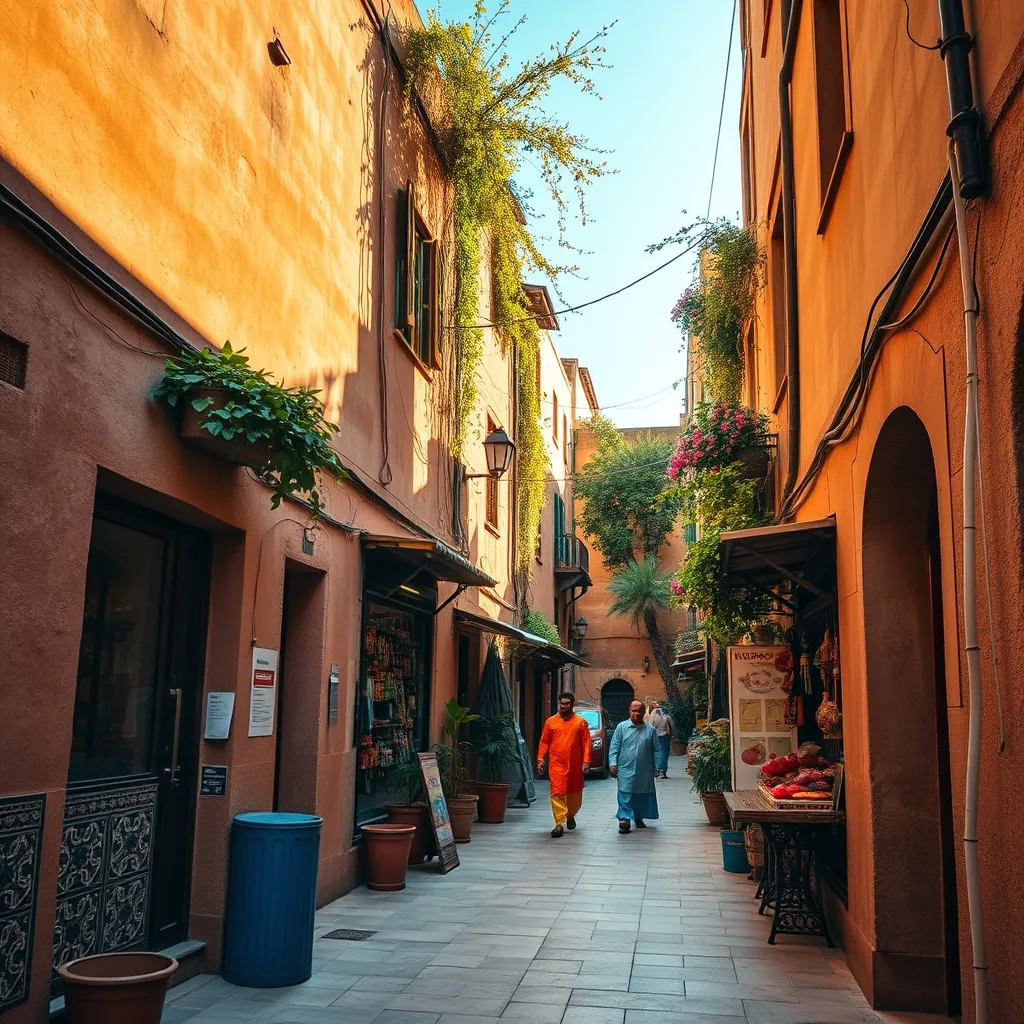
As I stepped into the labyrinthine alleys of Marrakech's Medina, I felt the weight of history beneath my feet. The ancient city, a tapestry woven from threads of Arab, Berber, and French influences, pulsed with an energy that was both captivating and overwhelming. The Medina, a UNESCO World Heritage Site, is a microcosm of Morocco's rich cultural heritage, where the past and present converge in a swirl of colors, sounds, and scents. From the majestic Koutoubia Mosque to the vibrant Jemaa el-Fnaa square, every corner of the Medina tells a story of a city that has been a crossroads of civilizations for centuries.
The history of the Medina dates back to the 11th century, when it was founded by the Almoravid dynasty. Over the centuries, the city has been shaped by various rulers and empires, each leaving their mark on its architecture, cuisine, and culture. The Medina's narrow streets and alleys are lined with intricately carved wooden doors, ornate tile work, and majestic arches, a testament to the craftsmanship and artistry of its builders. As I wandered through the Medina, I stumbled upon hidden courtyards, tranquil oases amidst the bustling streets, where the soft chirping of birds and the gentle rustle of leaves provided a serene respite from the chaos outside.
The Souks: A World of Colors and Scents
The souks, or markets, of the Medina are a sensory feast, a kaleidoscope of colors, sounds, and scents that assault the senses and leave you breathless. From the vibrant textiles and carpets to the exotic spices and fragrances, every stall and shop is a treasure trove of delights. I haggled with merchants over the price of a beautifully crafted silver necklace, marveled at the intricate patterns of a handmade rug, and sampled the delicious flavors of traditional Moroccan cuisine. The souks are a place where tradition and modernity coexist, where ancient crafts and skills are still practiced with precision and passion, and where the art of negotiation and bargaining is an integral part of the experience.
As I delved deeper into the Medina, I began to uncover the secrets and stories that lay hidden beneath its surface. I discovered the ancient Jewish quarter, the Mellah, with its narrow streets and historic synagogues, a testament to the city's rich Jewish heritage. I visited the magnificent Bahia Palace, a masterpiece of Moroccan architecture, with its intricate tile work, carved wood, and stunning gardens. And I explored the vibrant street food scene, sampling delicious dishes like tagines, couscous, and harira, each one a flavorful reflection of the city's cultural diversity.
The People: A Mosaic of Cultures and Traditions
The people of Marrakech's Medina are a mosaic of cultures and traditions, a reflection of the city's history as a crossroads of civilizations. From the Berber tribes of the Atlas Mountains to the Arab and French influences that have shaped the city's language, cuisine, and architecture, every face and every story is a testament to the city's rich cultural heritage. I met with local artisans, who shared with me their skills and traditions, from the intricate craftsmanship of woodcarving and metalwork to the delicate art of traditional Moroccan cooking. I spoke with merchants and traders, who regaled me with stories of their ancestors and the ancient trade routes that once connected Marrakech to the rest of the world.
As the sun began to set, casting a golden glow over the Medina, I found myself at the famous Jemaa el-Fnaa square, surrounded by snake charmers, musicians, and street performers. The air was filled with the sounds of laughter and music, the smells of food and incense, and the thrill of excitement and discovery. It was as if the entire city had come alive, a vibrant and pulsating entity that seemed to embody the very essence of Morocco's ancient heartbeat. As I stood there, taking it all in, I knew that I had only scratched the surface of the Medina's mystique, and that I would return again and again to uncover its secrets and stories.
A City of Contrasts: Tradition and Modernity
Marrakech's Medina is a city of contrasts, where tradition and modernity coexist in a delicate balance. On the one hand, the city is a treasure trove of ancient traditions and customs, from the intricate craftsmanship of its artisans to the delicious flavors of its cuisine. On the other hand, the city is also a thriving metropolis, with a vibrant cultural scene, a thriving economy, and a population that is increasingly connected to the rest of the world. As I explored the Medina, I saw firsthand the challenges and opportunities that this balance presents, from the preservation of traditional skills and crafts to the impact of tourism and globalization on the city's culture and identity.
I explored a related angle in Uncovering Kyoto's Geisha Legacy if you want to keep pulling this thread.
Despite these challenges, the Medina remains a place of enchantment and wonder, a city that is both deeply rooted in its past and embracing of its future. As I left the Medina and returned to the modern world outside, I felt grateful for the experience, and I knew that I would carry the memories and lessons of this ancient city with me for a long time to come. The Medina is a reminder that, even in the midst of chaos and uncertainty, there is always beauty and magic to be found, and that the past and present can come together in a swirl of colors, sounds, and scents that is truly unforgettable.